Roux-en-Y gastric bypass in Istanbul
Gastric Bypass Surgery in Turkey
- Keyhole (laparoscopic) surgery
- Often improves type 2 diabetes & reflux
- About 5 days in Istanbul
Get Consultation
Fill the form and we’ll get back to you within 5 minutes
Get Consultation
Fill the form and we’ll get back to you within 5 minutes
Gastric bypass before and after
Results of MAYCLINIK obesity surgery patients, usually photographed 12–18 months after surgery.
Results vary from person to person. Photos are shared with patient consent.
Gastric bypass in Turkey at a glance
About 2–4 hours
Operation time
2–3 nights
Hospital stay
About 5 days
Total stay in Istanbul
After about 2 weeks
Back to desk work
Gym after 4–6 weeks
Exercise
walking from day 1
Most of it within 12–18 months
Weight loss
- Anaesthesia: General anaesthesia
- Diet: Liquids for 2 weeks, normal food from about 6–8 weeks
What is a gastric bypass?
A gastric bypass, in its most common form the Roux-en-Y gastric bypass, is a weight-loss operation that makes the stomach much smaller and changes the route food takes through the gut. A small pouch is created at the top of the stomach and connected directly to the small intestine. Besides the classic Roux-en-Y bypass, our surgeons also perform the mini gastric bypass; your surgeon recommends the type that suits you. People who ask us about gastric bypass surgery in Turkey often have type 2 diabetes or reflux as well as obesity, because these are the cases where a bypass tends to help most.
Food bypasses most of the stomach and the first part of the small intestine. You feel full after small portions, absorb fewer calories, and the change in gut hormones has a strong effect on blood sugar, often within days of surgery.
The rest of the stomach stays in place; nothing else is removed. Because fewer vitamins and minerals are absorbed, lifelong supplements and regular blood tests are an essential part of life after a bypass.
A gastric bypass cannot
- Work without changes to how you eat
- Be done safely if you can’t take vitamins for life
- Prevent loose skin after big weight loss
- Tolerate sugary food without side effects (dumping)
- Be combined with smoking or anti-inflammatory painkillers
Gastric bypass vs gastric sleeve
The two most common weight-loss operations. Your surgeon recommends one after looking at your weight, health and reflux.
What is done
- Gastric bypass
- Small stomach pouch connected to the small intestine
- Gastric sleeve
- About 75–80% of the stomach removed
Operation time
- Gastric bypass
- About 2–4 hours
- Gastric sleeve
- About 2–3 hours
Typical excess weight loss
- Gastric bypass
- About 65–80%
- Gastric sleeve
- About 60–70%
Reflux
- Gastric bypass
- Usually improves
- Gastric sleeve
- Can get worse
Type 2 diabetes
- Gastric bypass
- Often improves, usually more strongly
- Gastric sleeve
- Often improves
Vitamins
- Gastric bypass
- Lifelong supplements, more important
- Gastric sleeve
- Lifelong supplements
Specific risks
- Gastric bypass
- Dumping, ulcers, internal hernia
- Gastric sleeve
- Reflux, staple line leak
Weight loss figures are averages from published studies. Your own result depends on your starting weight and how you eat and move afterwards.
How much weight can you lose with a gastric bypass?
Results vary from person to person. These are typical figures from bariatric surgery studies.
65–80%
of excess weight lost on average within 12–18 months after surgery
Days
blood sugar often improves within days, before much weight is lost
12–18 mo
until weight usually stabilises, with the fastest loss early on
“Excess weight” is the weight above a healthy BMI of 25. If you take diabetes medication, your doses are adjusted after surgery.
Who is gastric bypass surgery in Turkey suitable for?
Bariatric surgery is for people with obesity who have not managed to lose weight permanently in other ways. Your surgeon decides together with you after a full assessment.

A gastric bypass may suit you if
- Your BMI is 40 or more, or 35 or more with a weight-related condition
- You have type 2 diabetes, especially if it is hard to control
- You have reflux or heartburn, which a sleeve can make worse
- You had a sleeve and regained weight or developed reflux
- You are ready to take vitamins and have blood tests for life
Talk to us first, or a sleeve may be better, if
- You smoke and cannot stop: the risk of ulcers is much higher
- You need to take anti-inflammatory painkillers regularly
- You have Crohn’s disease or have had major bowel surgery
- You have an untreated eating disorder, alcohol or drug problem
- You are pregnant or planning pregnancy in the next 12–18 months
Your hospital and hotel in Istanbul
Your operation takes place in a JCI-accredited partner hospital; the rest of your stay is spent recovering in a 5-star hotel, both included in your package.

JCI-accredited partner hospital
Modern operating theatres, private rooms and intensive-care backup, with specialist nursing care after your operation.

5-star hotel & VIP transfers
Comfortable recovery close to the hospital. Private transfers take you to every appointment and your coordinator checks in with you every day.
Your bariatric team in Istanbul
Your operation is performed at an accredited partner hospital by an experienced general surgeon who specialises in bariatric surgery. You receive your surgeon’s name and profile before you book.
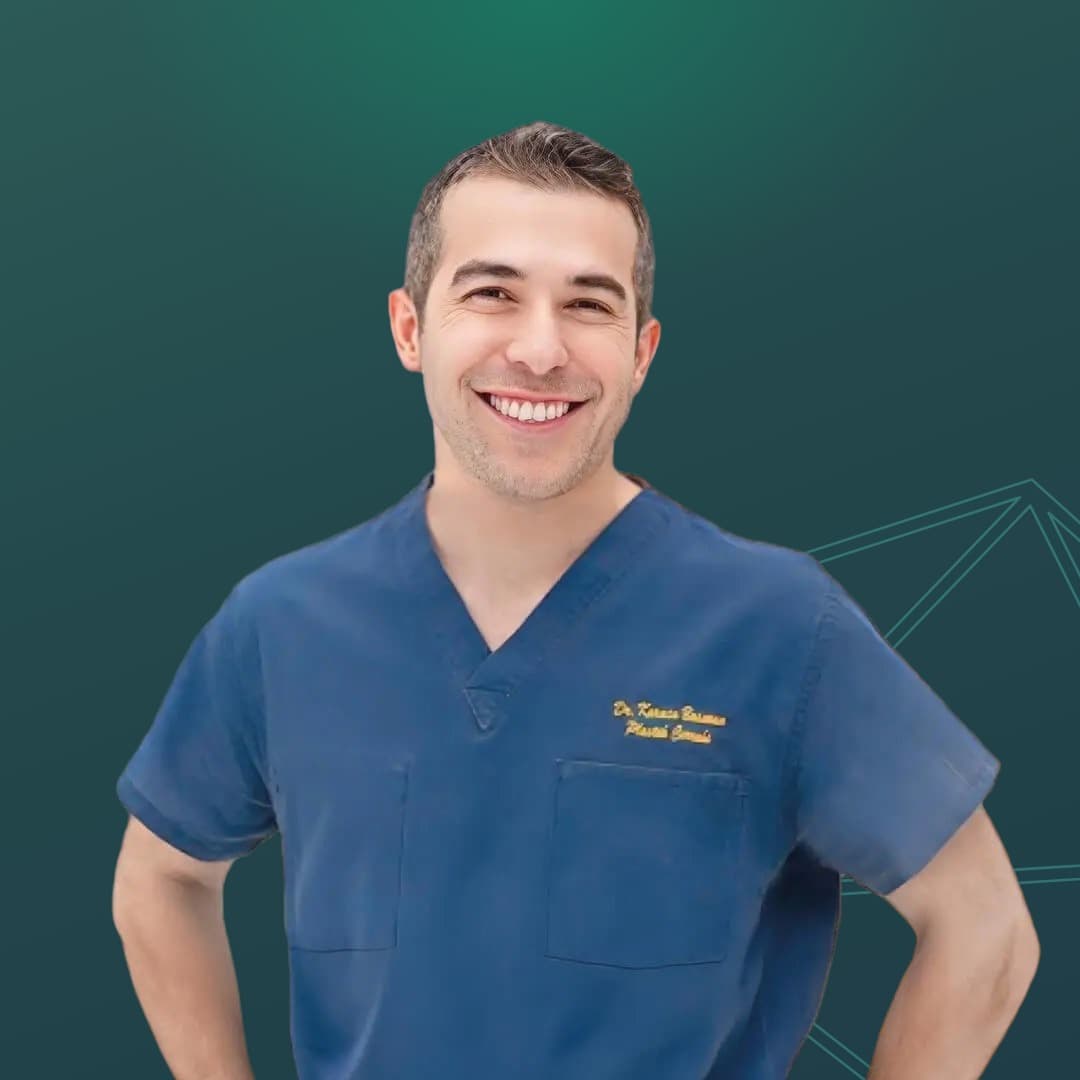
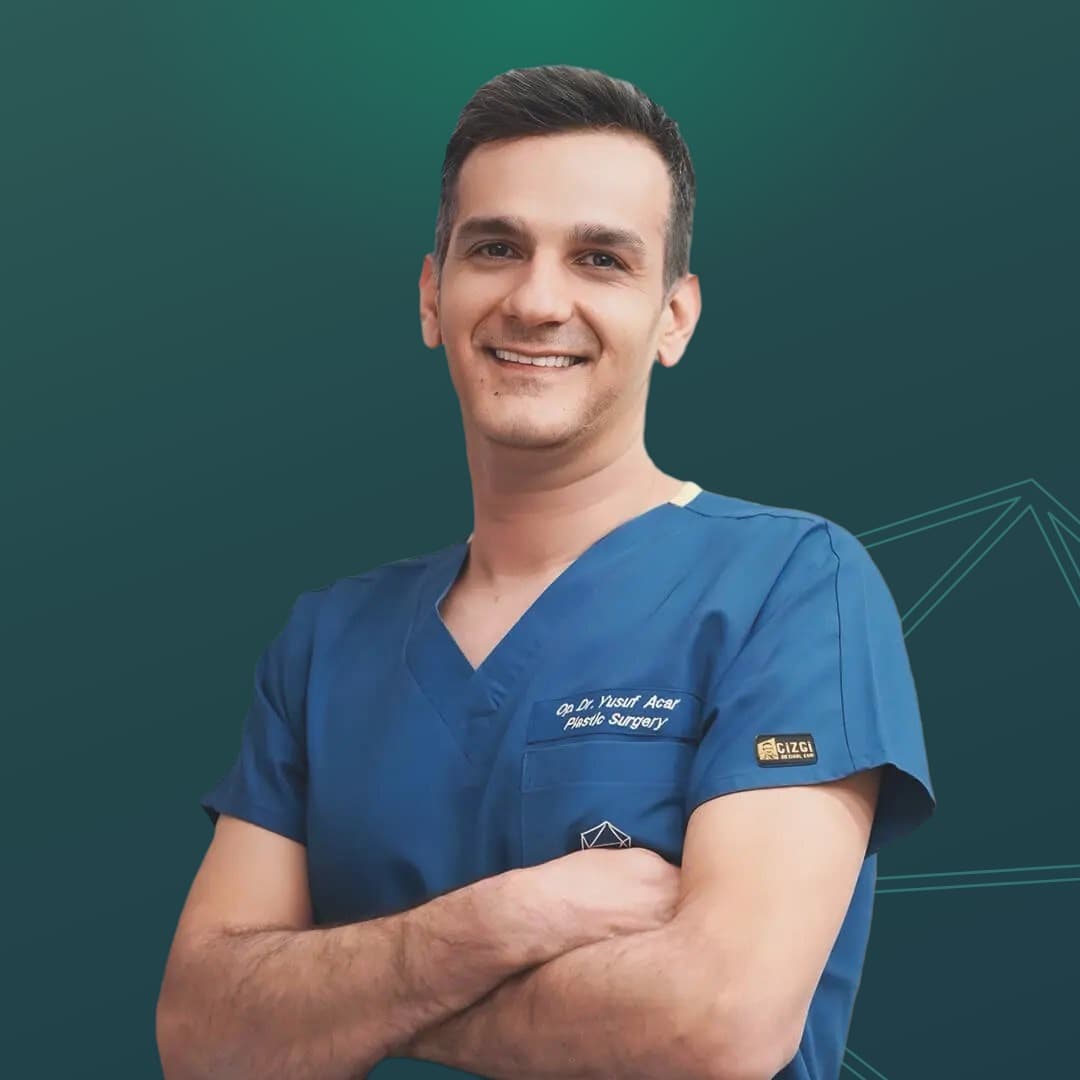
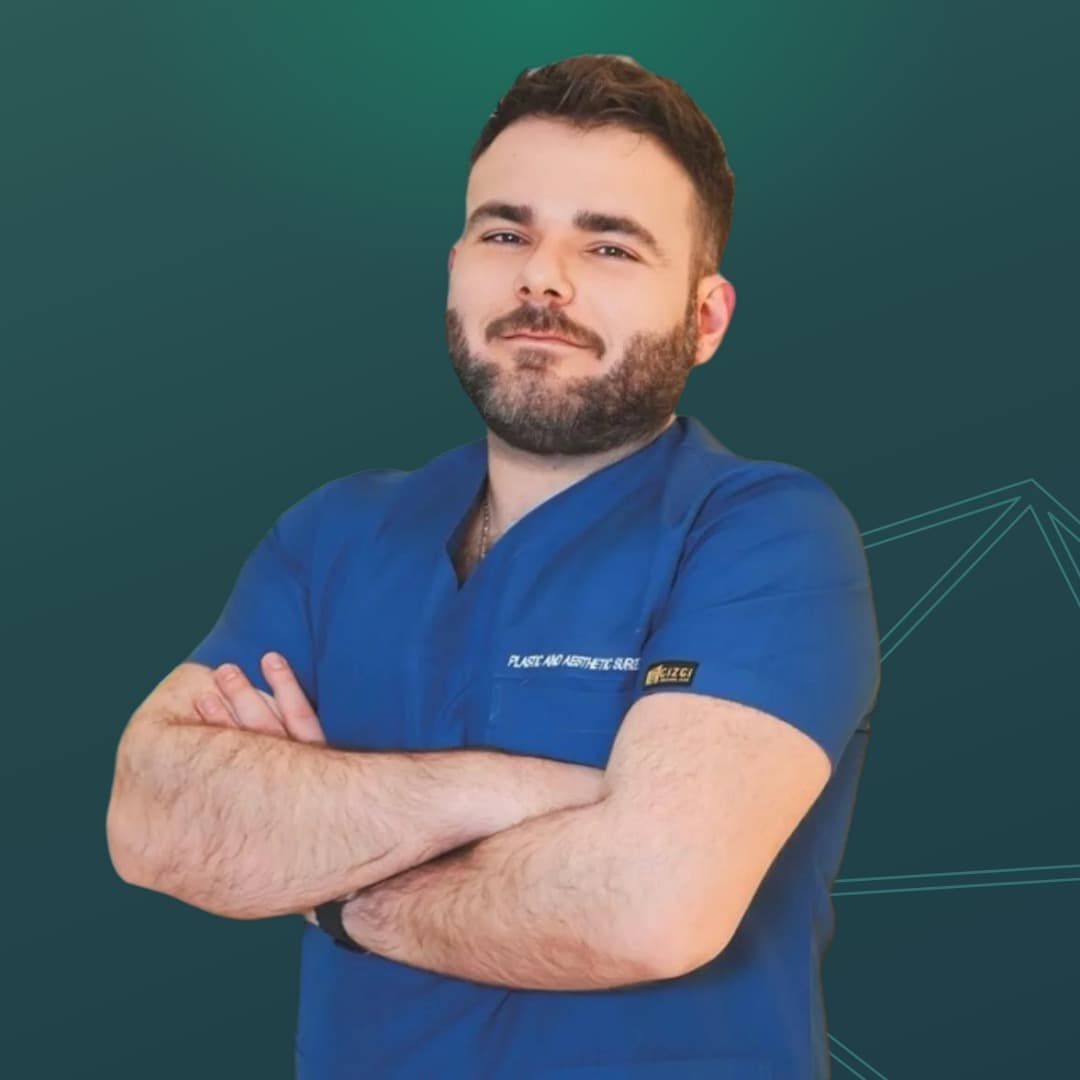
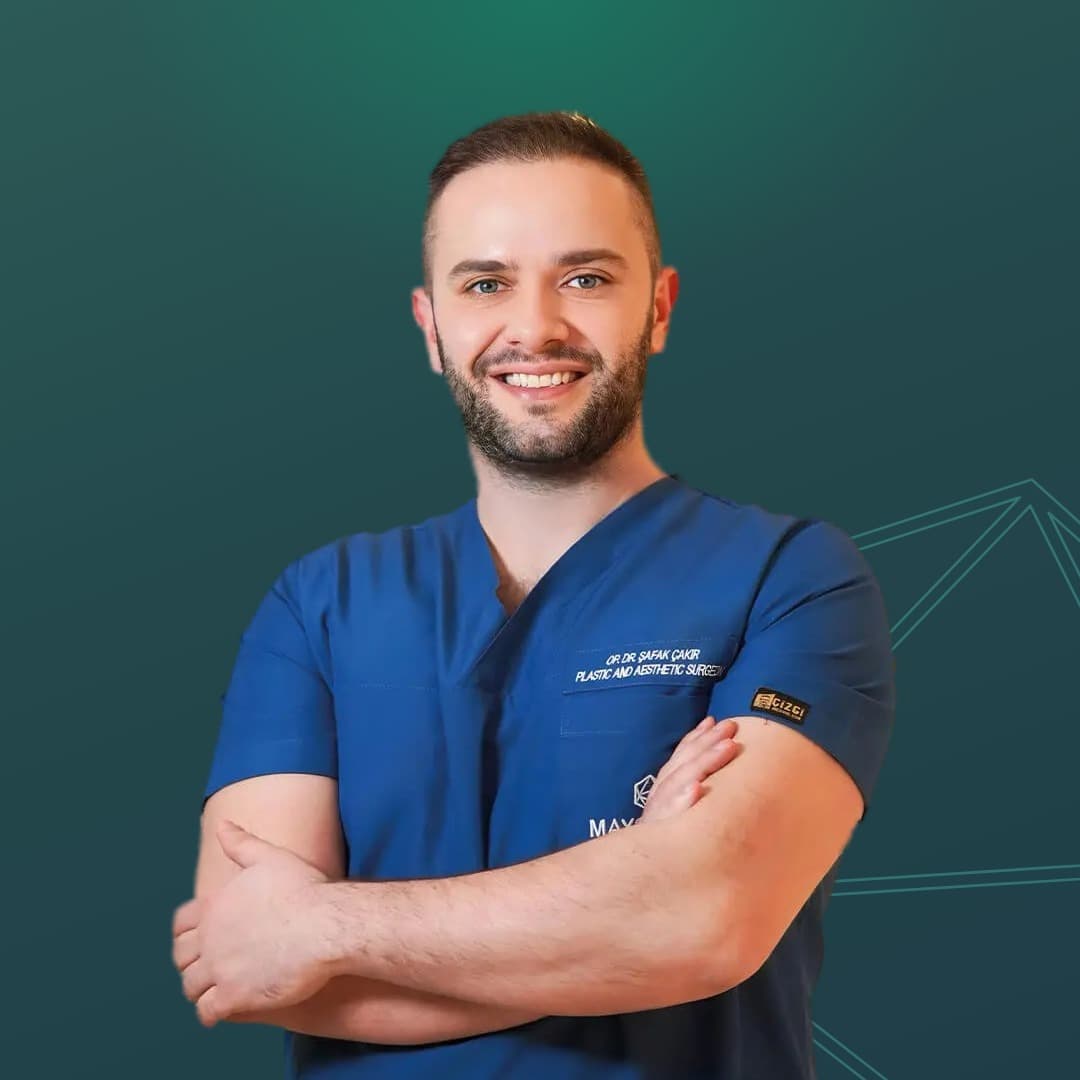
Bariatric surgeon
Assesses you, performs the operation and checks you before you fly home.
Anaesthetist
Plans your anaesthesia and pain relief after reviewing your tests.
Dietitian
Prepares you before surgery and guides your diet and vitamins afterwards.
Patient coordinator
Organises your stay, translates and stays in touch after you go home.
The MAYCLINIK Standard
Four commitments that cover your care from the first video call to long after you fly home.
MAYContour
Before surgery
Surgeons are not interchangeable. Each of ours performs certain operations far more often than others, so you are matched to the one whose routine work is your operation. You meet on video before you travel, and the plan is agreed there, not on arrival.
MAYContourMAYCare+
In Istanbul
From the moment you land to the moment you fly home, one team is responsible for you: airport transfers, your hotel stay, hospital admission, a doctor and nurse who visit you at the hotel, and a check on how you are every day, in your own language.
MAYCare+MAYCheck
Back home
The hardest part of recovery happens after you get home. For twelve months your aftercare nurse stays with you, reviewing how you are healing, telling you what is normal and what is not, and answering questions through our London and Stuttgart offices.
MAYCheckMAYCover
If anything changes
Healing is not always a straight line, and a final result can take up to a year to settle. MAYCover is how we handle it, with your surgeon, if something does need revisiting. Ask your coordinator what it covers, before you book, rather than after.
MAYCover
Gastric bypass cost in Turkey: what’s included
You receive a fixed, written quote after the team has reviewed your weight, height and medical history, before you book anything.
Your MAYCLINIK package includes
- Pre-operative tests and consultations
- The operation under general anaesthesia
- Your hospital stay of 2–3 nights after the operation
- Medication and blood-clot prevention
- Dietitian consultation, diet and vitamin plan
- Hotel accommodation for your stay
- VIP airport, hotel and hospital transfers
- Online dietitian follow-up during your first year
Your 5 days in Istanbul
A typical plan for a gastric bypass. Your coordinator adjusts it to your flights.
Day 1
Arrival & tests
VIP transfer to the hospital or hotel. Then blood tests, ECG, ultrasound, gastroscopy and talks with your surgeon, anaesthetist and dietitian.
Day 2
Surgery
Your gastric bypass under general anaesthesia, which takes about 2–4 hours. You start walking the same day or the next morning.
Days 3–4
Hospital care
Pain relief, blood-clot prevention and your first sips of water. Your dietitian explains the liquid diet and your vitamins. After 2–3 nights you leave hospital and rest at your hotel, walking several times a day.
Day 5
Check-up & fly home
A check-up with your surgeon, then a VIP transfer to the airport with your diet plan, vitamins and your coordinator’s contact details.
Diet and recovery after a gastric bypass
The new connections need time to heal. The diet is built up step by step, and your dietitian guides you through each stage.
Weeks 1–2
Clear liquids
Small sips of water, broth, sugar-free drinks and protein shakes, about 1.5–2 litres a day.
Weeks 3–4
Puréed food
Smooth, puréed food in very small portions, with protein first.
Weeks 5–6
Soft food
Soft, moist food you can mash with a fork, eaten slowly and chewed well.
From weeks 6–8
Normal food
Normal, healthy food in small portions, low in sugar and fat to avoid dumping.
For life
Vitamins & blood tests
Daily supplements (including B12, iron, calcium and vitamin D) and regular blood tests.
What helps
- Avoid sugary food and drinks: they can cause dumping
- Protein first at every meal
- Don’t drink with meals; wait about 30 minutes
- No smoking and no anti-inflammatory painkillers
- Take your vitamins every day, for life
Gastric bypass risks, and how we reduce them
A gastric bypass is a well-established operation, but it is major surgery. These are the risks your surgeon will discuss with you.
Leak
A leak from one of the connections is rare but serious. All connections are tested during surgery and you are monitored closely.
Dumping syndrome
Sugary or fatty food can pass too quickly into the intestine, causing nausea, sweating and dizziness. The right diet prevents it.
Ulcers
Ulcers can form at the new connection, mainly in smokers or with anti-inflammatory painkillers. Avoiding both lowers the risk.
Internal hernia
Months or years later, the bowel can slip through a gap. Sudden, strong abdominal pain needs urgent medical attention.
Vitamin deficiencies
Fewer nutrients are absorbed, so B12, iron, calcium and vitamin D are taken for life and checked with blood tests.
Gastric bypass in Turkey: frequently asked questions
Usually a BMI of 40 or more, or 35 or more with a weight-related condition such as type 2 diabetes, high blood pressure or sleep apnoea. Your surgeon makes the final decision after an assessment.
On average about 65–80% of your excess weight within 12–18 months. Results depend on your starting weight and how you eat and move afterwards.
Many patients see their diabetes improve strongly or go into remission, often needing less or no medication. It is not guaranteed and depends partly on how long you have had diabetes.
A bypass usually suits people with reflux or type 2 diabetes better; a sleeve is simpler and shorter. Your surgeon recommends one after your assessment.
Yes. Our surgeons perform both the classic Roux-en-Y bypass and the mini gastric bypass, which uses a single connection between the stomach pouch and the small intestine. Your surgeon recommends the type that suits you, based on your BMI, any reflux and your general health.
Nausea, sweating, cramps or dizziness after sugary or fatty food, because it passes too quickly into the intestine. Avoiding sugar and eating slowly usually prevents it.
Yes. After a bypass you take daily supplements, including B12, iron, calcium and vitamin D, and have regular blood tests.
Yes. A sleeve can be converted to a bypass, for example after weight regain or strong reflux. This revision is assessed individually.
Usually after about 5 days, once your surgeon has checked you. You wear compression stockings and walk around on the plane.
About 5 days: tests, surgery, 2–3 nights in hospital and a check-up before you fly.
It can be, if your provider is licensed by the Turkish Ministry of Health, an experienced bariatric surgeon operates in an accredited hospital and you have dietitian follow-up. MAYCLINIK holds licence AK-0086.
Related articles
Medically reviewed guides that answer the questions patients ask most about this treatment.
Type 2 diabetes and weight-loss surgery: what metabolic surgery can and cannot do
Weight-loss surgery can improve type 2 diabetes, sometimes to the point of remission. How it works, how a gastric bypass and a sleeve compare, and why follow-up stays important.
6 min readRead article Plastic surgeryLoose skin after weight loss: what helps and when to consider surgery
Why skin does not always shrink back after major weight loss, what you can and cannot prevent, and how a body lift, arm lift, thigh lift or breast lift is planned.
6 min readRead article Plastic surgeryHow much fat can liposuction remove safely?
Why there is a safe limit on the volume removed in one session, how much weight you can expect to lose, and why liposuction shapes the body rather than reducing weight.
6 min readRead articleContact
Find out if a gastric bypass is right for you
Tell us your height, weight and any health conditions, such as diabetes or reflux. Our team reviews them and you receive a personal plan and a written price within 24 hours.
Get Consultation
Fill the form and we’ll get back to you within 5 minutes