For people with obesity and type 2 diabetes, weight-loss surgery can do more than reduce weight. In many patients blood sugar improves within days of the operation, before much weight has been lost, and some can stop their diabetes medication altogether. This is why bariatric surgery is also called metabolic surgery when it is done with diabetes in mind. It is not a cure for everyone, though, and it needs careful planning with your diabetes care.
How surgery affects type 2 diabetes
Two things happen at once. First, you eat much less and lose weight, which makes your body more sensitive to insulin. Second, the operation changes gut hormones that regulate appetite and blood sugar. After a gastric bypass in particular, food reaches the small intestine faster and triggers a stronger release of hormones that help the body handle glucose. That is why improvement often starts before significant weight loss.
What “remission” means
Doctors speak of remission rather than cure. Remission generally means that your long-term blood sugar (HbA1c) stays below the diabetes range for at least three months without any glucose-lowering medication. It is a realistic goal for many people, but not for everyone, and diabetes can return years later, especially if weight is regained.
Who is more likely to reach remission
- People who have had type 2 diabetes for a shorter time, often under five to ten years
- People who do not yet need insulin, or need only small doses
- People whose blood sugar is reasonably controlled before surgery
- People who lose more weight and keep it off
Even when full remission is not reached, many patients need fewer medicines, have better blood sugar control and see improvements in blood pressure and cholesterol.
Gastric bypass or sleeve for diabetes?
| Gastric bypass | Gastric sleeve | |
|---|---|---|
| Effect on blood sugar | Often improves, usually more strongly | Often improves |
| Typical excess weight loss | About 65–80% | About 60–70% |
| Reflux | Usually improves | Can get worse |
| Vitamins | Lifelong supplements, more important | Lifelong supplements |
| Operation time | About 2–4 hours | About 2–3 hours |
A gastric bypass is often recommended when diabetes is the main concern, particularly if it is hard to control or if you also have reflux. A gastric sleeve can still improve diabetes considerably and may suit people who cannot commit to the stricter vitamin routine of a bypass, or who need anti-inflammatory painkillers regularly. Your surgeon weighs these points after a full assessment.
Who can be considered
Weight-loss surgery is usually considered for people with a BMI of 40 or more, or 35 or more with a weight-related condition such as type 2 diabetes. In the UK, NICE guidance recommends that people with recent-onset type 2 diabetes and a BMI of 35 or more are offered an expedited assessment for surgery, and that it may be considered at lower BMIs, with lower thresholds for some ethnic backgrounds. Your surgeon makes the final decision together with you.
Preparing for surgery with diabetes
- Bring a list of all your medicines and recent blood results, including HbA1c.
- Tell your team about diabetes complications, such as eye, kidney or nerve problems.
- Follow the pre-operative diet you are given; it can make surgery safer.
- Agree a plan for your medication around surgery with your team and your diabetes doctor.
After surgery: follow-up stays important
In the first weeks you check your blood sugar more often, because doses that were right before surgery can now be too strong. Once you are home, your family doctor or diabetes clinic continues your care. Even in remission, keep up yearly checks of HbA1c, eyes, feet and kidneys, as these protect you if diabetes returns and monitor any damage that happened before surgery.
After a gastric bypass, some people develop low blood sugar one to three hours after meals, especially after sugary food. Report symptoms such as shaking, sweating, confusion or faintness after eating to your team.
Benefits beyond blood sugar
Diabetes rarely comes alone. Many people with type 2 diabetes and obesity also have high blood pressure, raised cholesterol, sleep apnoea or fatty liver disease. These often improve after weight-loss surgery as well, which lowers the overall risk to the heart and blood vessels. Your doctors review all of your medicines after surgery, not only those for diabetes, because some may no longer be needed at the same dose.
Living with diabetes after surgery
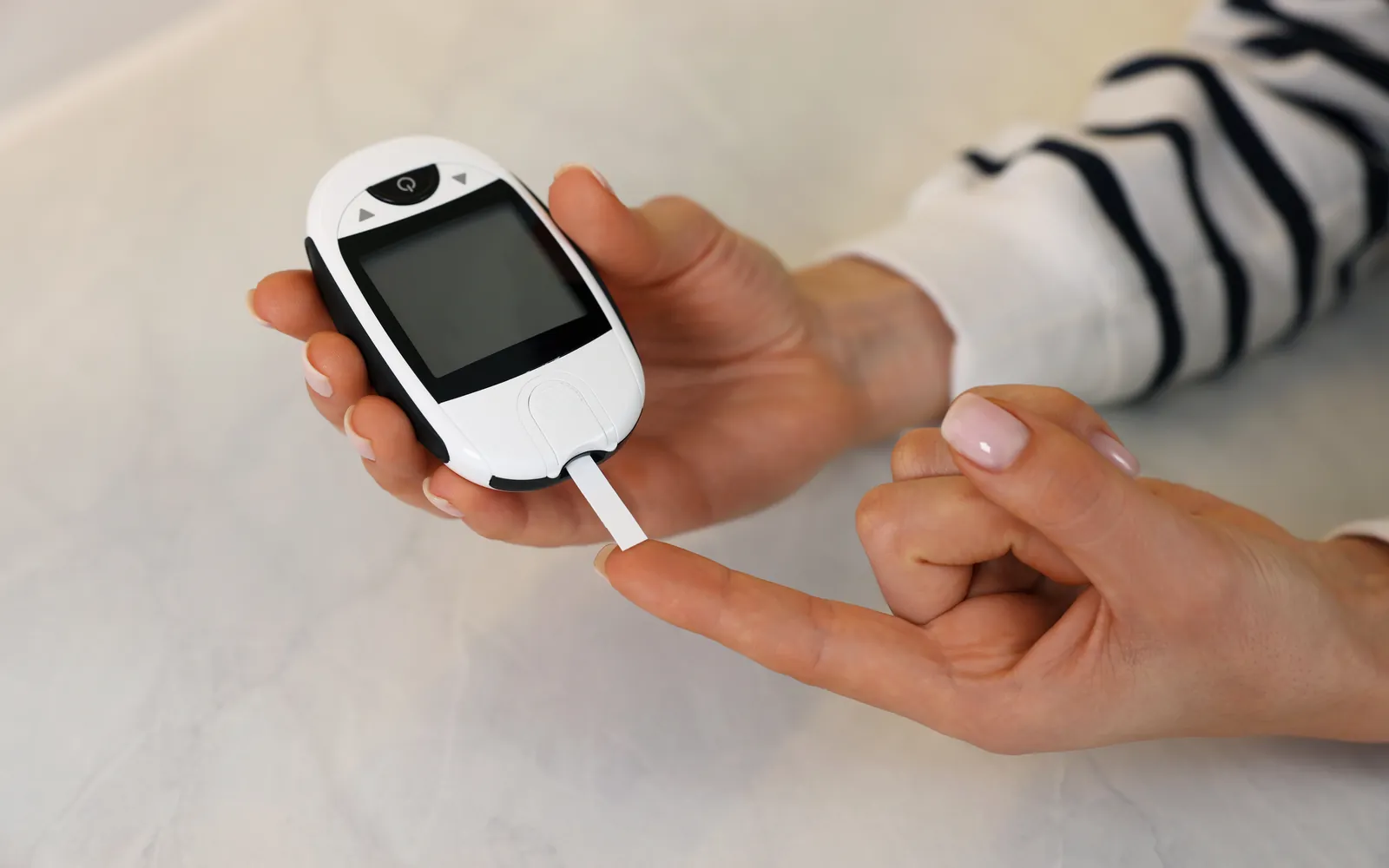
- Keep your meter. Check your blood sugar as advised, especially in the first months and whenever you feel unwell.
- Know the signs of low blood sugar, such as shaking, sweating, hunger, confusion or palpitations, and keep a quick source of glucose with you as your team advises.
- Take care before driving. If you still take medicines that can cause low blood sugar, follow the usual rules for checking before you drive.
- Stay active. Regular movement improves insulin sensitivity and helps you keep the weight off.
- Keep up your vitamins. Deficiencies, for example of vitamin B12, can cause numbness that is easily mistaken for diabetic nerve damage.
When to seek help
- Blood sugar readings that are repeatedly very low or very high
- Fainting, confusion or shaking, particularly after meals
- Persistent vomiting or being unable to keep fluids down
- Sudden, strong abdominal pain at any time after a bypass, which needs urgent medical attention
Our gastric bypass page explains the operation, how it compares with a sleeve for diabetes and reflux, and what your stay and follow-up in Istanbul involve.
Frequently asked questions
Doctors talk about remission rather than cure. Many people reach remission or need much less medication, but it is not guaranteed and diabetes can return, so follow-up continues for life.
A bypass usually has a stronger effect on blood sugar and also helps reflux. A sleeve can still improve diabetes considerably. Your surgeon recommends one after a full assessment.
Often within days, before much weight is lost, which is why medication doses are reviewed straight after surgery.
Yes. Even in remission, yearly checks of HbA1c, eyes, feet and kidneys are recommended, because diabetes can come back and earlier damage needs monitoring.
Yes, surgery can still improve blood sugar control and reduce how much insulin you need, although full remission is less likely. Your team assesses this individually.