Deep plane facelift in Istanbul
Deep Plane Facelift in Turkey
- Cheeks, jowls & neck in one operation
- No tension on the skin
- Named facial surgeons
Get Consultation
Fill the form and we’ll get back to you within 5 minutes
Get Consultation
Fill the form and we’ll get back to you within 5 minutes
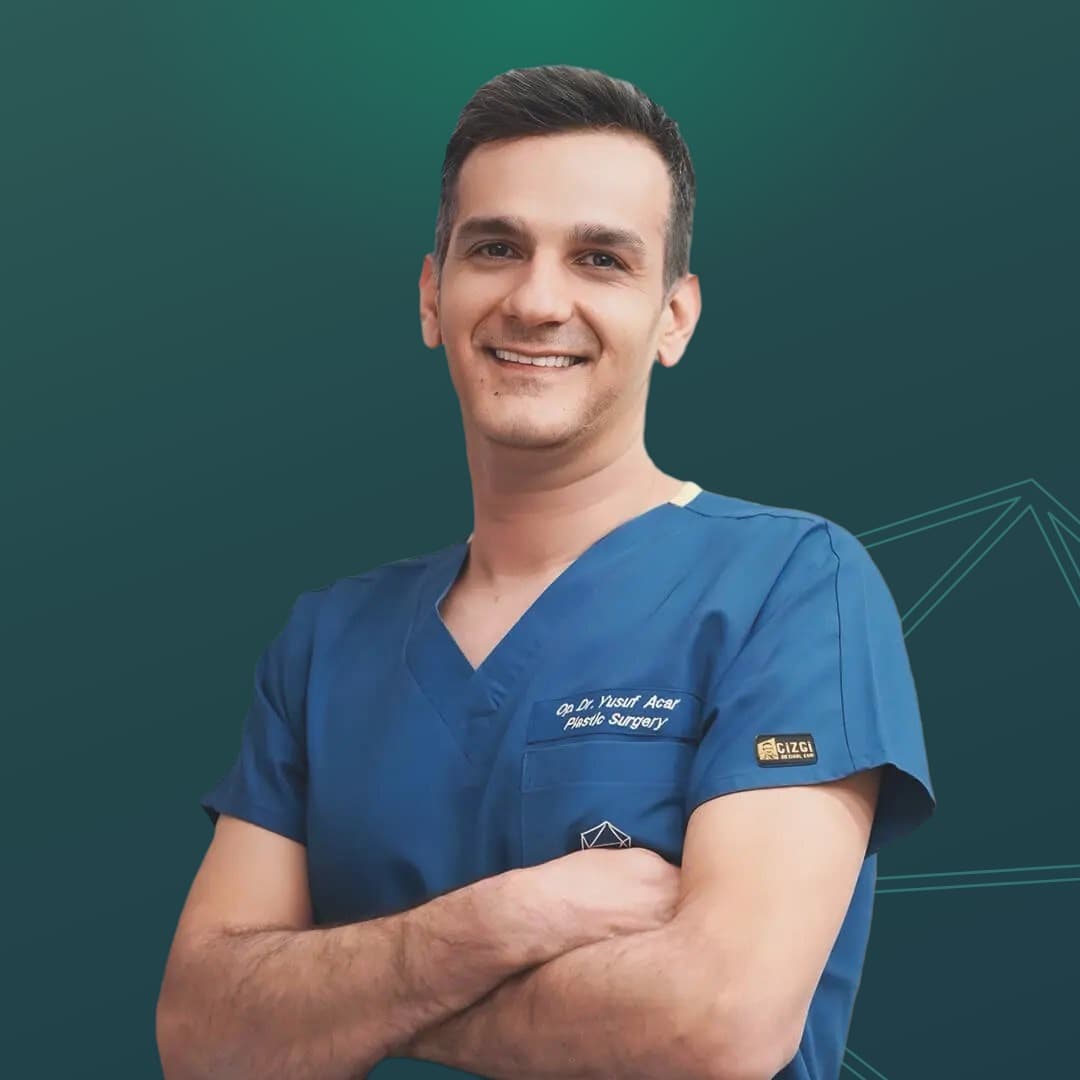
Deep plane facelift before and after
MAYCLINIK patients after a deep plane facelift, photographed once the swelling had settled.
Results vary from person to person. Photos are shared with patient consent.
Deep plane facelift at a glance
3–5 hours
Operation time
longer with neck or eyelids
2 nights
Hospital stay
then back to your hotel
About 10 days
Total stay in Istanbul
stitches out on day 8–9
After about 3 weeks
Back to desk work
After about 6 weeks
Exercise & heavy lifting
6–12 months
Final result
scars fade over 12 months
- Anaesthesia: General anaesthesia
- Compression wrap: First 1–2 weeks
What is a deep plane facelift?
A deep plane facelift is a facelift in which the surgeon works underneath the SMAS, the layer of muscle and connective tissue below the skin, rather than on top of it. The technique was first described by the American surgeon Sam Hamra in 1990, and today it is the facelift most of our patients ask about when they look for a deep plane facelift in Turkey.
Your cheeks and jowls are held in place by small fibrous bands called retaining ligaments. As we age, the tissue sags around them. In a deep plane facelift these ligaments (zygomatic, masseteric and mandibular) are released, so the cheek fat and jowls can be moved back up as one piece, together with the skin.
Because the lift happens in the deeper layer, the skin itself is not stretched. That is why a well-done deep plane facelift tends to look natural: no pulled corners of the mouth, no flattened cheeks, no “wind-tunnel” look.
Not the answer for
- Fine lines and skin texture
- Very mild laxity (a mini lift may be enough)
- Heavy eyelids or a low brow
- Volume loss on its own
- Stopping the ageing process
Deep plane vs SMAS vs mini facelift
All three use similar incisions. They differ in how deep the surgeon goes and how much of the midface can be moved.
Layer lifted
- Deep plane
- Skin + SMAS together
- SMAS facelift
- SMAS tightened, skin separately
- Mini facelift
- Lower SMAS
Retaining ligaments
- Deep plane
- Released
- SMAS facelift
- Usually not released
- Mini facelift
- Not released
Cheeks & nose-to-mouth folds
- Deep plane
- Strong improvement
- SMAS facelift
- Limited
- Mini facelift
- Minimal
Jowls & jawline
- Deep plane
- Strong improvement
- SMAS facelift
- Good improvement
- Mini facelift
- Mild improvement
Operation time
- Deep plane
- 3–5 hours
- SMAS facelift
- 2–4 hours
- Mini facelift
- 1.5–2.5 hours
Presentable after
- Deep plane
- About 3 weeks
- SMAS facelift
- About 2 weeks
- Mini facelift
- 1–2 weeks
Best for
- Deep plane
- Moderate to heavy laxity, midface descent
- SMAS facelift
- Moderate jowls and neck
- Mini facelift
- Early jowls, good skin
Typical values. Your surgeon recommends a technique after examining you.
What the research says
Deep plane is often marketed as the facelift that “lasts twice as long”. The evidence is more modest, and we think you should know it.
47 studies
A 2025 meta-analysis of 10,766 patients found deep plane and SMAS facelifts had comparable safety, with haematoma rates of 3% and 2% respectively.
≈1%
Rate of temporary facial nerve weakness after deep plane facelifts in a 2026 review of 10,784 patients; no permanent nerve injury was reported.
Midface
The only study that compared the two techniques directly found better rejuvenation of the cheeks and midface with the deep plane technique.
Longevity
There is no solid proof yet that it outlasts a well-done SMAS facelift. In one 2026 study, revisions were done after about 11 years on average.
In short: similar safety in experienced hands, a stronger effect on the cheeks and folds, and durability that is promising but not proven.
Is a deep plane facelift in Turkey right for you?
Most deep plane patients are in their late 40s to 70s, but the decision depends on your anatomy, not your age.
It usually suits you if
- Your cheeks have dropped and the folds beside your nose and mouth have deepened
- You have clear jowls and a softened jawline
- You want a natural result without a pulled look
- You have had a facelift before and the result has faded
- You are healthy, with controlled blood pressure, and can stop nicotine for 4–6 weeks before and after
A different option may be better if
- Your laxity is mild: a mini or SMAS facelift may give a similar result with a shorter recovery
- Your main concern is skin quality or fine lines, which a facelift does not change
- You need a quick return to work within two weeks
- You have uncontrolled high blood pressure or a bleeding disorder
- You cannot stop smoking or vaping around surgery
Your hospital and hotel in Istanbul
Your operation takes place in a JCI-accredited partner hospital; the rest of your stay is spent recovering in a 5-star hotel, both included in your package.

JCI-accredited partner hospital
Modern operating theatres, private rooms and intensive-care backup, with specialist nursing care after your operation.

5-star hotel & VIP transfers
Comfortable recovery close to the hospital. Private transfers take you to every appointment and your coordinator checks in with you every day.
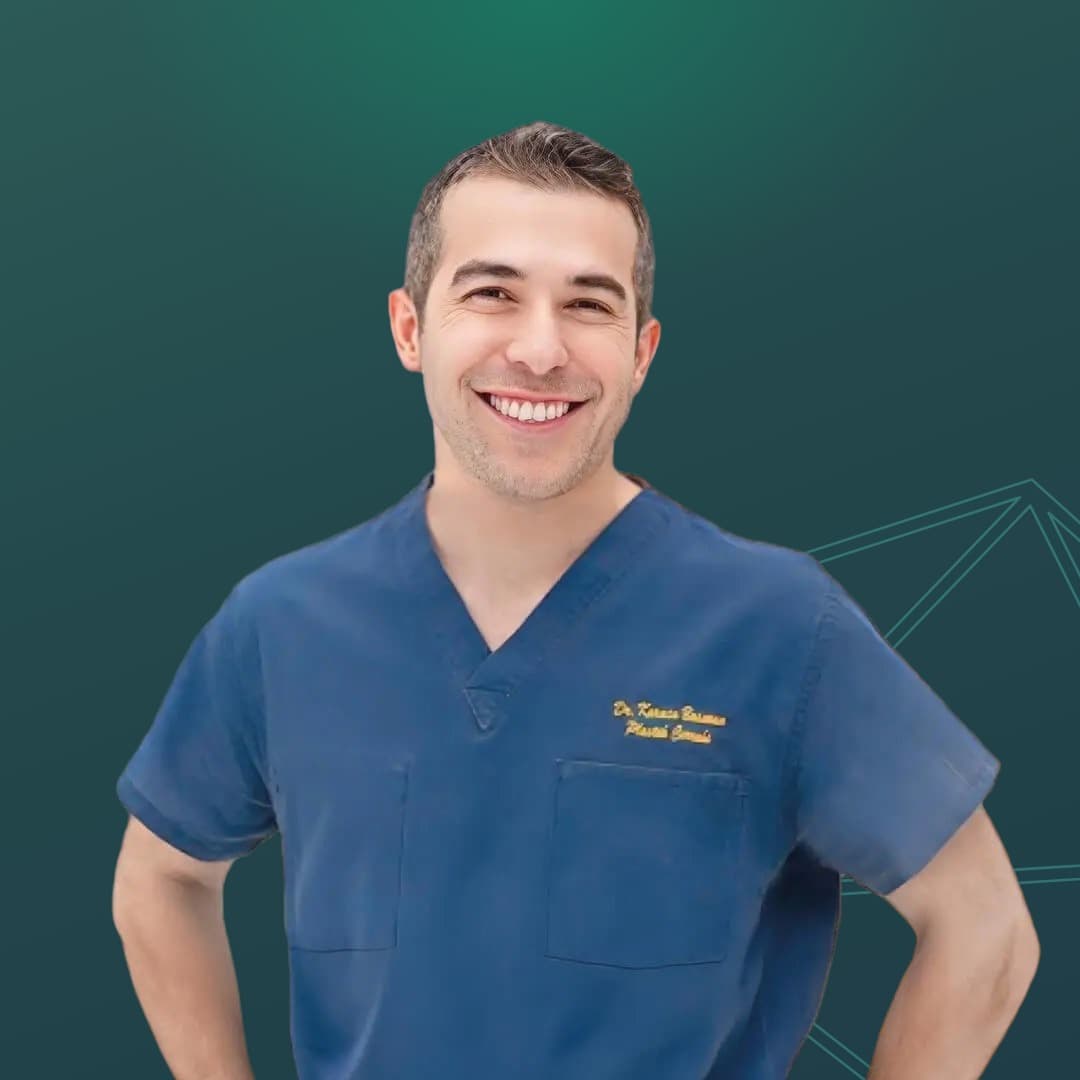
Your deep plane facelift surgeons in Istanbul
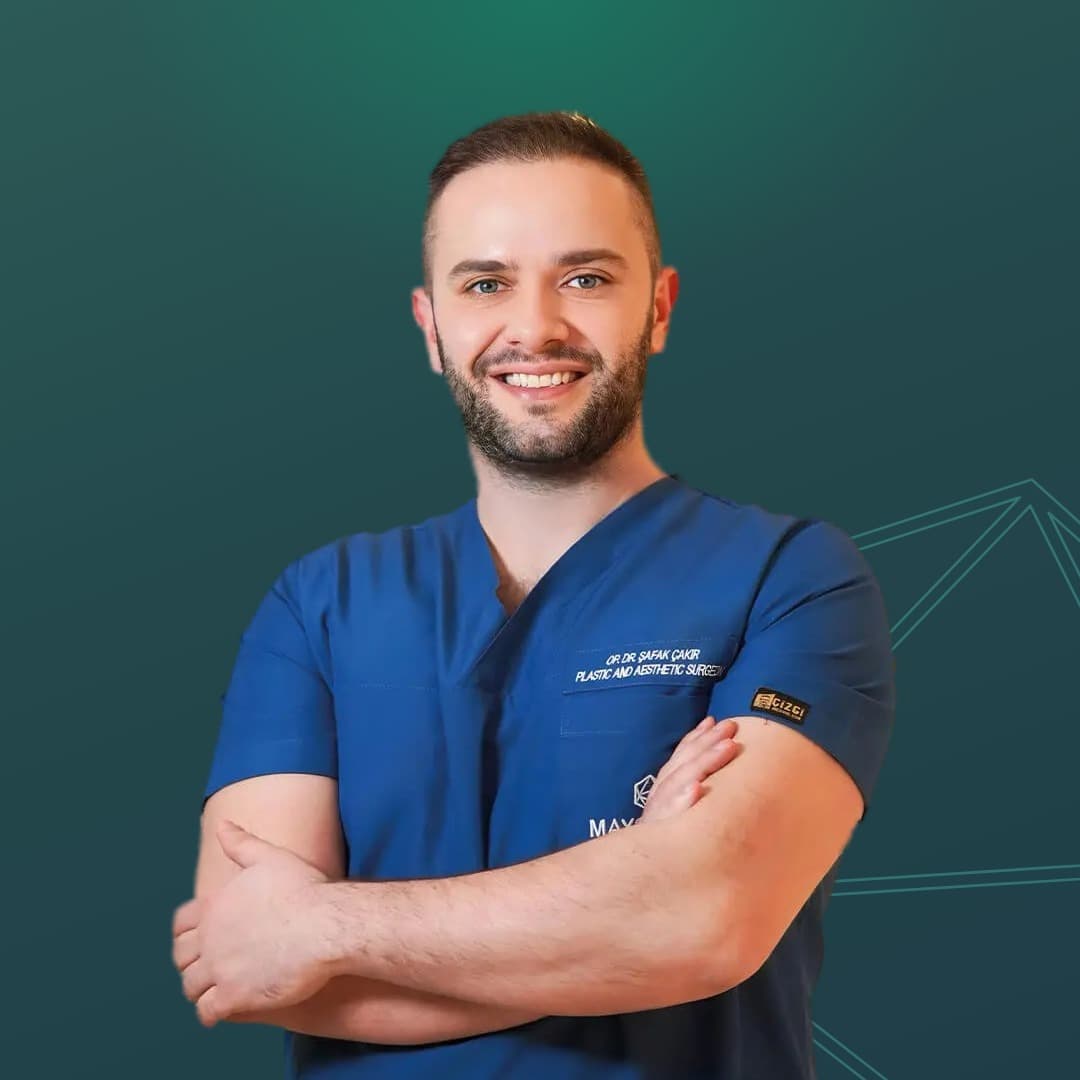
Deep plane surgery depends on the surgeon’s experience in the deeper layers of the face. You meet your surgeon on video before you travel.

The MAYCLINIK Standard
Four commitments that cover your care from the first video call to long after you fly home.
MAYContour
Before surgery
Surgeons are not interchangeable. Each of ours performs certain operations far more often than others, so you are matched to the one whose routine work is your operation. You meet on video before you travel, and the plan is agreed there, not on arrival.
MAYContourMAYCare+
In Istanbul
From the moment you land to the moment you fly home, one team is responsible for you: airport transfers, your hotel stay, hospital admission, a doctor and nurse who visit you at the hotel, and a check on how you are every day, in your own language.
MAYCare+MAYCheck
Back home
The hardest part of recovery happens after you get home. For twelve months your aftercare nurse stays with you, reviewing how you are healing, telling you what is normal and what is not, and answering questions through our London and Stuttgart offices.
MAYCheckMAYCover
If anything changes
Healing is not always a straight line, and a final result can take up to a year to settle. MAYCover is how we handle it, with your surgeon, if something does need revisiting. Ask your coordinator what it covers, before you book, rather than after.
MAYCover
Deep plane facelift cost in Turkey
A deep plane facelift takes longer than an SMAS facelift, so it costs more. You receive a fixed, written price after your consultation, including everything listed below.
Included in your package
- Surgeon’s and anaesthetist’s fees
- Pre-operative tests and consultation
- 2 nights in a private hospital room
- Medication and compression garment
- Hotel accommodation for your 10 days in Istanbul
- VIP airport, hotel and hospital transfers
- Stitch removal and check before you fly
- Aftercare via our London and Stuttgart teams
Your 10 days in Istanbul
A deep plane facelift is a longer operation, so we plan a little more time before you fly.
Day 1
Arrival
VIP transfer from the airport to your hotel and a briefing with your coordinator, who walks you through the plan for your stay in Istanbul.
Day 2
Consultation & surgery
Blood tests, anaesthetic check and a face-to-face consultation where your surgeon plans the lift, then surgery under general anaesthesia.
Day 3
In hospital
A second night in hospital, with nurses on hand day and night. Your surgeon checks your face and the dressing on the ward round.
Days 4–7
Hotel & rest
Drains out, dressing changed and back to your hotel on day 4. Swelling peaks around days 3–4, then eases. Your coordinator checks in.
Days 8–9
Stitches & check
Your surgeon removes the stitches and reviews the healing. Keep your head raised at night and wear the compression wrap as advised.
Day 10
Fly home
Once you are cleared to fly, a VIP transfer takes you to the airport. Aftercare continues with our teams in London and the Stuttgart region.
Deep plane facelift recovery, week by week
Because more tissue is moved, swelling lasts a little longer than after an SMAS facelift. Pain is usually mild.
Days 1–4
Tight and swollen
Swelling and bruising build and peak around day 3–4. You sleep with your head raised.
Week 2
Stitches out
Most bruising fades. You can wash your hair and wear light make-up once the wounds have closed.
Weeks 3–4
Out and about
Most patients feel comfortable being seen around week 3 and return to desk work.
Months 1–3
Settling
Light exercise from about week 4–6. The face can feel firm or slightly numb.
Months 6–12
Final result
Residual swelling, especially along the jaw, settles and the final shape appears.
To help healing
- Head raised and cool compresses for the first week
- No nicotine, including vapes and patches, for at least four weeks
- Avoid bending, lifting and hot baths for two weeks
- Sun protection on the scars for a year
Risks of a deep plane facelift
Working in a deeper layer sounds riskier, but large reviews show complication rates similar to other facelifts when the surgeon is experienced.
Haematoma
Bleeding under the skin in about 2–3% of cases, more common in men and with high blood pressure, which we control closely.
Temporary nerve weakness
Around 1% have temporary weakness of a facial muscle, which usually recovers within months. Permanent injury is rare.
Numbness
Expected in the cheeks and around the ears after any facelift. Feeling comes back gradually, usually over 12–18 months.
Prolonged swelling
Because more tissue is moved than in an SMAS facelift, firmness along the jawline can take several months to soften.
Scars
Placed in natural creases around the ear and in the hairline; they are pink at first and fade over the first year.
Related treatments
Deep plane facelift: frequently asked questions
It moves more of the midface, so it is usually the stronger option for dropped cheeks, deep nose-to-mouth folds and heavy jowls. For mild laxity, a mini or SMAS facelift can give a similar result with a shorter recovery. Studies show comparable safety between the techniques.
The deep plane lift improves the jawline and upper neck. If you have loose skin, fat or bands under the chin, a neck lift (platysmaplasty) is added in the same operation.
Many patients enjoy the result for around ten years, and one 2026 study found revisions were done after about 11 years on average. Claims that it lasts “twice as long” as other facelifts are not yet proven.
That is the main reason to choose it. Because the deeper layer carries the lift, the skin is not stretched, so expressions and the corners of the mouth stay natural.
Large reviews have not found a higher rate of permanent nerve injury with deep plane than with other techniques. Temporary weakness occurs in about 1% and usually recovers within months.
Most patients feel tightness and swelling rather than real pain, controlled with ordinary painkillers for a few days.
Yes. Deep plane is often used for revisions, because it lifts tissue that an earlier skin or SMAS lift could not. Your surgeon will want to know what was done before.
There is no fixed age. Most patients are in their late 40s to 70s. Younger patients with mild laxity may not need it yet.
A deep plane facelift takes longer than an SMAS facelift, so it costs more. The final price depends on whether a neck lift, eyelid surgery or fat grafting is added. You receive a fixed, written price after a surgeon has reviewed your photos.
About 10 days. Stitches are removed and your surgeon checks you before you fly home.
It can be, if your provider is licensed by the Turkish Ministry of Health, your surgeon is named and experienced in deep plane surgery, you are operated on in an accredited hospital and you stay long enough before flying. MAYCLINIK holds licence AK-0086.
Related articles
Medically reviewed guides that answer the questions patients ask most about this treatment.
Contact
Is a deep plane facelift right for you?
Send us photos of your face from the front and side. A facial surgeon reviews them and you receive a personal plan and a written price within 24 hours.
Get Consultation
Fill the form and we’ll get back to you within 5 minutes