
Faces and bodies change in fairly predictable ways over the decades, so the cosmetic procedures people ask about also change with age. This guide describes what people typically consider in their 30s, 40s, 50s and beyond. It is not a schedule to follow: many people never want surgery, and the right time for you depends on what bothers you, your health and your plans.
In your 30s: body changes and first concerns
In the 30s, the skin still has good elasticity, which helps with healing and with results that depend on the skin tightening again. At the same time, pregnancy, breastfeeding and weight changes leave their mark for many people. Treatments people in their 30s often consider:
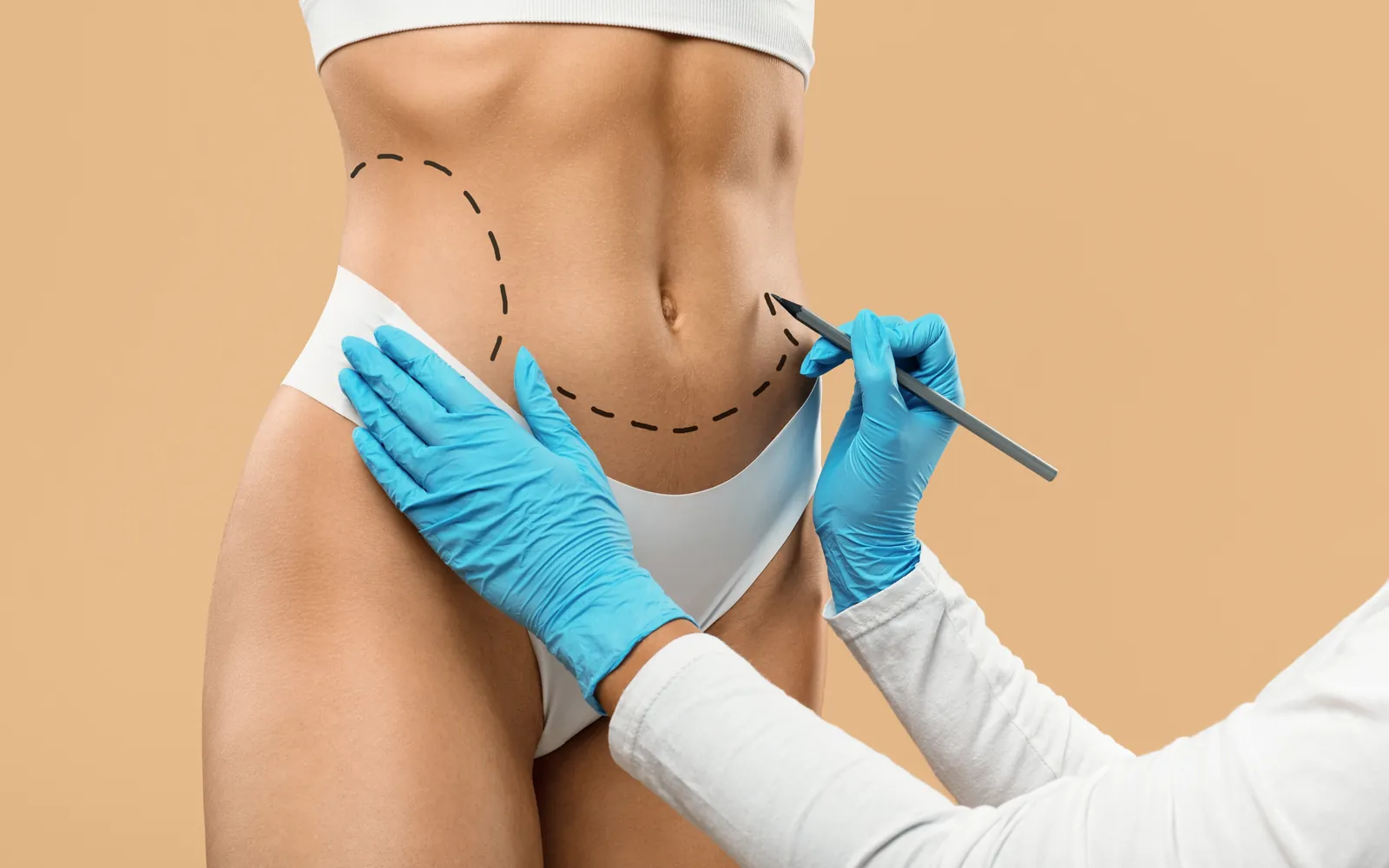
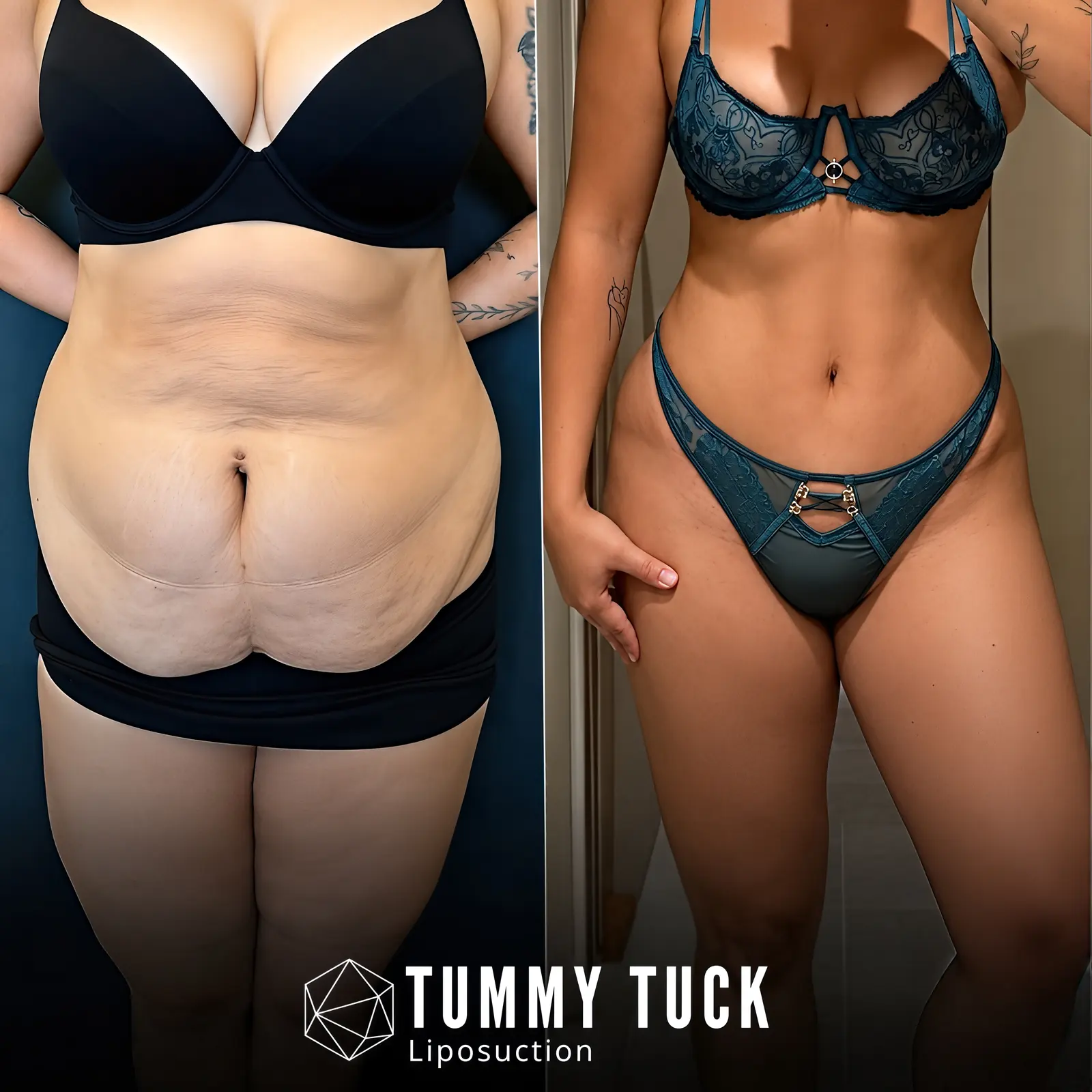
- Mommy makeover (tummy tuck with breast surgery) once the family is complete, because a later pregnancy can stretch the muscles and skin again.
- Breast augmentation, lift or reduction, depending on how the breasts have changed.
- Liposuction of areas that don’t respond to diet and exercise, while the skin still retracts well.
- Rhinoplasty, which suits any adult age once the face has finished growing.
- Hair transplant for men whose hair loss pattern has become clearer and more stable.
Non-surgical options, such as wrinkle-relaxing injections, fillers, good skin care and daily sun protection, are also popular at this age. Daily sun protection helps to slow skin ageing at any age, with or without surgery.
In your 40s: the eyes and the jawline
In the 40s, the skin produces less collagen, and the first signs of descent appear: heavier upper eyelids, bags under the eyes, deeper lines from the nose to the mouth and the start of jowls. People often say they look tired even when they feel rested. Procedures commonly considered:
- Upper and lower eyelid surgery to remove excess skin and treat bags.
- A smaller facelift or a mid-face lift for early jowls and flattened cheeks when the skin quality is still good.
- Brow lift when a low brow adds to the heavy look of the eyes.
- Tummy tuck or breast lift for changes after pregnancy or weight loss.
- Fat transfer to restore volume in the face.
Combining procedures, such as an eyelid lift with a facelift, can mean one recovery instead of two, as long as your surgeon considers the combination sensible.
The 40s are also when many people balance work, children and ageing parents, so recovery time can be the main obstacle. Being realistic about how long you need away from work and lifting helps you choose the right moment.
In your 50s and beyond: popular surgeries for lasting change
From the 50s, changes in the neck and jawline usually become the main concern. Hormonal changes around menopause affect skin thickness and fat distribution, and the effect of years of sun exposure becomes more visible. Popular surgeries at this stage include:
- Facelift and neck lift, including deep plane techniques that lift the deeper layers of the face for a natural result.
- Eyelid surgery, often combined with a facelift. Very heavy upper lids can also narrow the field of vision.
- Brow lift for a low, heavy brow.
- Breast lift or reduction for heaviness and sagging, sometimes for comfort as much as appearance.
- Arm lift or tummy tuck for loose skin, especially after weight loss.
In the 60s and 70s, healthy people can still have cosmetic surgery safely. The focus often shifts to comfort and function as much as appearance: heavy eyelids that block vision, a heavy chest that causes back pain or loose skin that rubs. Your anaesthetist pays close attention to your heart, lungs and medicines, and a slightly longer stay before flying may be advised.
Healing is a little slower with age and the skin is thinner, so your surgeon may recommend a more conservative plan or staged operations. A facelift does not stop ageing, but it resets the clock: you continue to age naturally from a fresher starting point.
A summary by decade
| Decade | Common concerns | Procedures often considered |
|---|---|---|
| 30s | Changes after pregnancy, stubborn fat, nose, breasts | Mommy makeover, liposuction, breast surgery, rhinoplasty |
| 40s | Tired eyes, early jowls, loose tummy skin | Eyelid surgery, mid-face or smaller facelift, brow lift, tummy tuck |
| 50s and beyond | Loose neck, jowls, heavy lids and brow | Facelift, neck lift, eyelid surgery, breast lift or reduction |
Health checks that matter more with age
With every decade, a careful medical assessment becomes more important. Expect your surgeon and anaesthetist to ask about:
- Blood pressure, which must be well controlled, particularly before a facelift.
- Heart and lung health, diabetes and any previous blood clots.
- Medicines such as blood thinners and hormone therapy, and any supplements.
- Smoking and vaping, which you need to stop for 4 weeks before and after surgery.
- Your weight and its stability, which affect both safety and the durability of the result.
Depending on your age and health, you may need extra tests, such as an ECG or a letter from your own doctor, before surgery is confirmed.
Choosing your moment
The right time is rarely set by age alone. More useful questions are: Is the concern stable, or still changing? Are you planning another pregnancy or a large weight loss? Can you take the recovery time? Do you have support at home? Your surgeon can help you decide whether to act now, wait, or start with a less invasive option.
Our aesthetic surgery page brings together the face, breast and body procedures available in Istanbul, so you can read about the options that match your stage of life and ask for a surgeon’s opinion.
Frequently asked questions
There is no single ideal age. Most people who choose a facelift are between 40 and 75. Skin quality, health and how your face has changed matter more than age.
Not necessarily. Healthy people in their 60s and 70s can have cosmetic surgery safely after a careful medical assessment. Your surgeon may recommend extra tests.
Common choices include body contouring after pregnancy, breast surgery, liposuction and rhinoplasty, alongside non-surgical treatments and daily sun protection.
Usually yes. A later pregnancy can stretch the muscles and skin again, so most surgeons recommend waiting until your family is complete.