Many men consider cosmetic surgery, and their reasons are usually practical: a chest that never flattened with training, fat that stays on the flanks, heavy eyelids that make them look tired, a nose that was broken years ago or a receding hairline. This guide explains the procedures men most often choose, what recovery looks like and what surgeons do differently for male patients.
Popular cosmetic procedures for men at a glance
| Procedure | Typical concern | Stay in Istanbul | Back to desk work |
|---|---|---|---|
| Gynecomastia surgery | Enlarged or puffy chest | About 7 days | 7–10 days |
| Liposuction | Stubborn fat on flanks, abdomen, chest | About 7 days | About 1 week |
| Eyelid surgery | Heavy upper lids, bags under the eyes | About 7 days | 7–10 days |
| Rhinoplasty | Hump, crooked nose, breathing | About 7 days | 10–14 days |
| Hair transplant | Receding hairline, thinning crown | About 3 days | 5–7 days |
| Facelift | Jowls, loose neck skin | 8–10 days | 2–3 weeks |
Gynecomastia surgery (male chest reduction)
Gynecomastia means enlarged breast tissue in men. It is common and can follow puberty, weight changes, certain medicines or anabolic steroids. Fat on the chest can reduce with weight loss, but firm gland tissue behind the nipple does not respond to diet or exercise.
Gynecomastia surgery removes excess fat with liposuction and the gland through a small incision at the edge of the areola. If the skin has stretched, for example after major weight loss, it can be tightened too. You wear a compression vest for about 4–6 weeks and usually return to chest training after 4–6 weeks. Your surgeon will ask about medicines and supplements, because some can cause new tissue to grow.
Liposuction, including ultrasound-assisted techniques
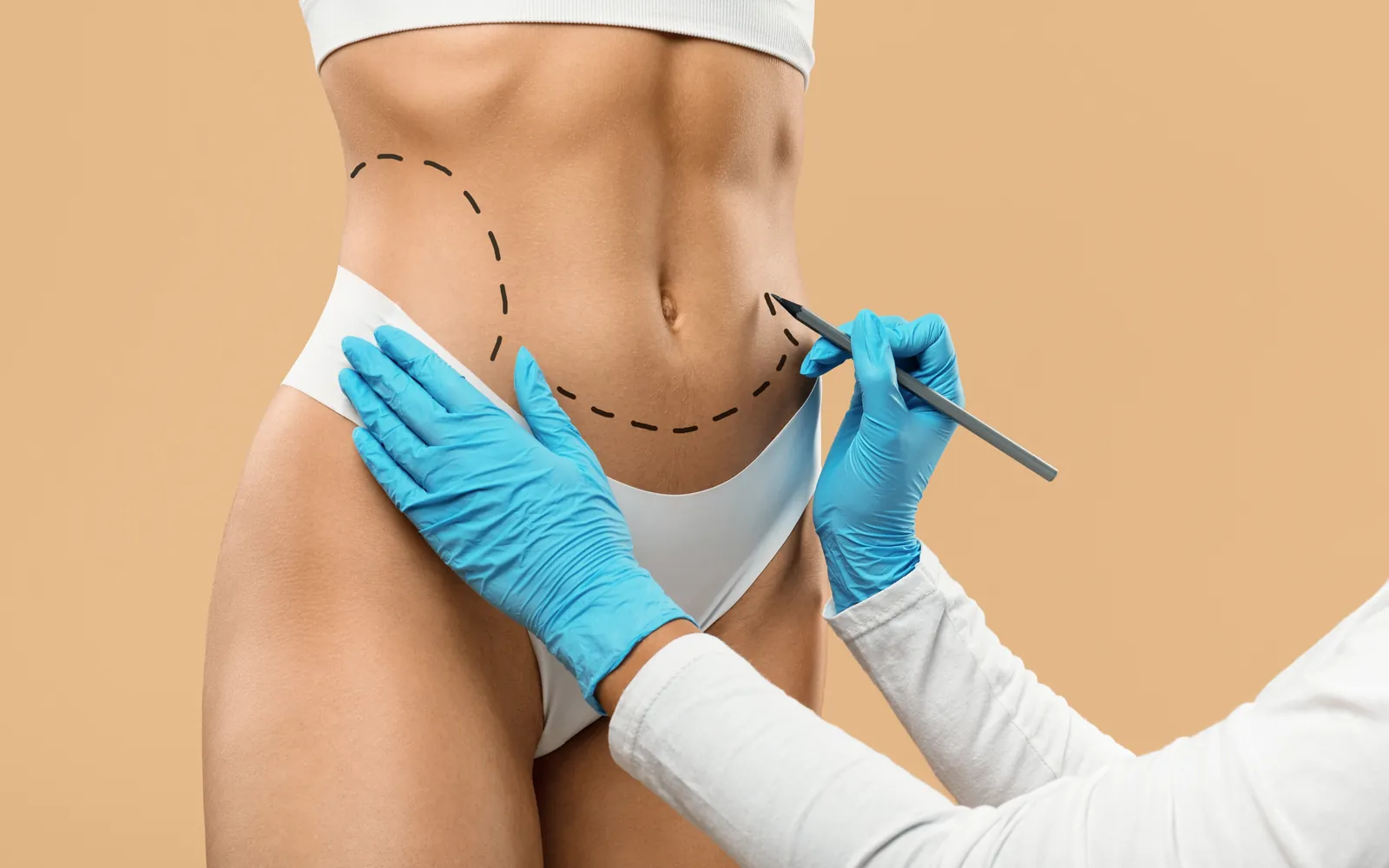
Men tend to store fat on the flanks (“love handles”), the abdomen, the chest and under the chin. Liposuction removes these deposits through small incisions. Ultrasound-assisted liposuction loosens the fat before it is removed and can help with more fibrous areas such as the male chest and back.
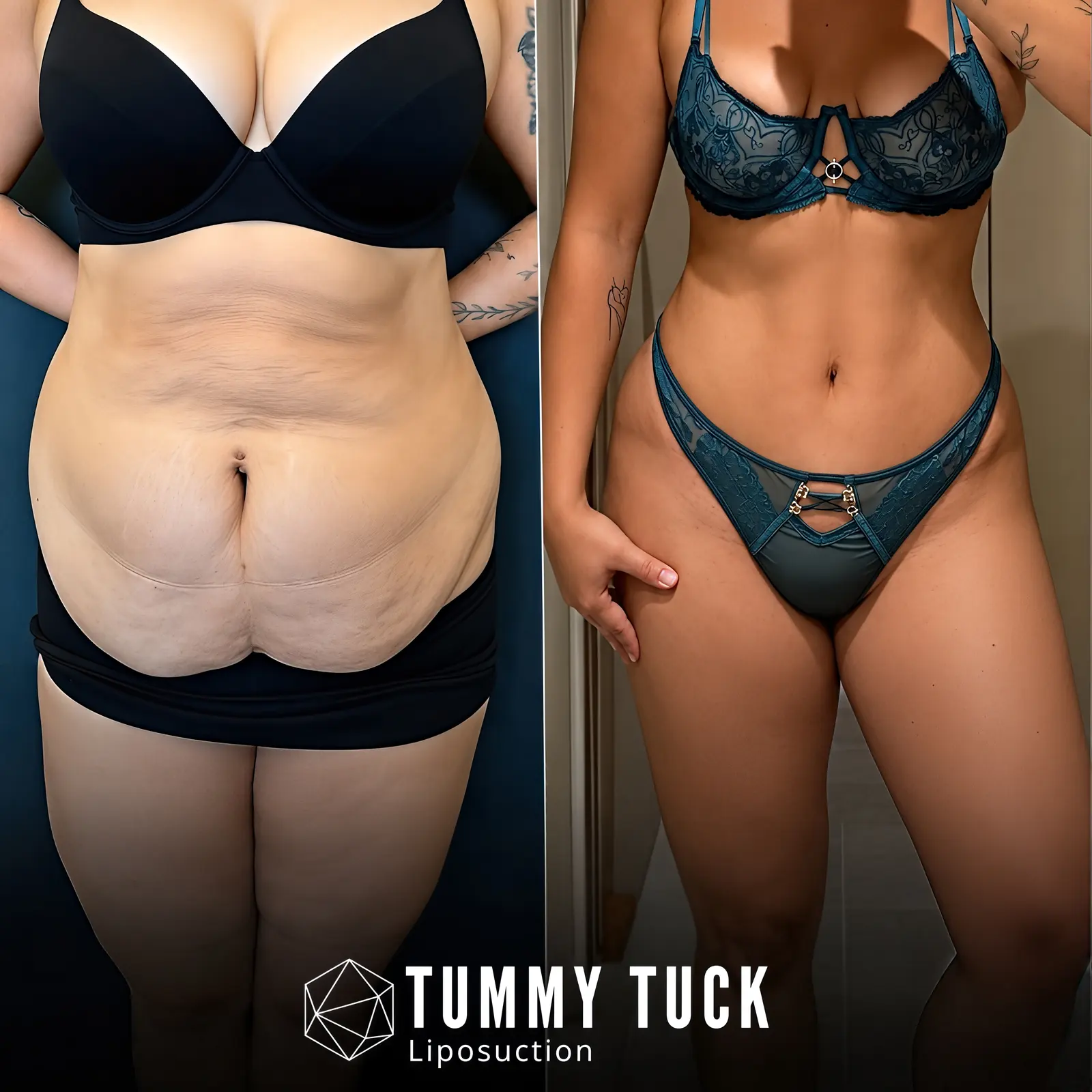
Liposuction is not a weight-loss operation. It works well when you are near your ideal weight and your skin is still elastic. Fat around the internal organs, the kind that makes the belly firm and round, cannot be removed with liposuction and responds only to weight loss.
Eyelid surgery
Heavy upper eyelids and bags under the eyes often make men look tired or older than they feel. Blepharoplasty removes excess skin and repositions or removes fat. In men, the surgeon usually keeps a fuller upper lid and avoids creating a high, sharp crease, which can look feminine. Stitches come out after 5–7 days and most men return to desk work after 7–10 days.
Rhinoplasty
Many men come for a nose that was broken playing sport, often combined with blocked breathing. A septorhinoplasty can straighten the nose and the septum in one operation. Male noses typically have a straighter, stronger bridge and a less upturned tip, and men often have thicker skin, which means the tip takes longer to refine. Contact sport waits about 8 weeks.
Hair transplant
A hair transplant moves healthy follicles from the back and sides of the head to the hairline or crown. It is done under local anaesthesia as a day procedure, so the stay in Istanbul is short. New hair starts to grow after 3–4 months, with the final result after about 12 months (the crown can take up to 18). A natural male hairline is planned for your age, so it still suits you as you get older.
Facts about male facelifts
A facelift tightens the deeper tissues of the face and neck and removes loose skin, softening jowls and a loose neck. The operation is similar for men and women, but several points are specific to men:
- Higher risk of haematoma. A collection of blood under the skin is the commonest facelift complication. Large studies report it roughly twice as often in men as in women, partly because of the richer blood supply of the beard area. Controlling blood pressure before and after surgery is important.
- The beard moves. Lifting the skin moves beard-bearing skin towards the ear. Incisions are planned to keep a natural sideburn and hairless skin in front of the ear where possible.
- Hidden scars are harder. Men often have short hair and no make-up to cover the incisions, so careful placement in natural creases matters.
- The neck is often the main concern. Many men are most bothered by loose skin under the chin, so a neck lift is frequently part of the plan.
- The aim is a rested, not tightened, look. A strong jawline is kept and the result should not look pulled.
A facelift usually means 2 nights in hospital and 8–10 days in Istanbul, with desk work after 2–3 weeks. You may need to shave differently for a while as the skin settles.
Recovery for men: work, training and travel
- Plan your time off honestly. Most men return to desk work within 1–3 weeks, depending on the procedure. Physical jobs need longer.
- Respect the training break. Heavy lifting and intense training raise blood pressure and can cause bleeding or swelling. Your surgeon tells you when to restart, usually after 4–6 weeks.
- Tell your surgeon about supplements and steroids. Pre-workout products, high-dose supplements, testosterone and anabolic steroids can affect bleeding, healing and gynecomastia.
- Stop nicotine for 4 weeks before and after surgery, including vaping and snus.
When to contact your surgeon
Call your surgeon or coordinator straight away if you notice rapidly increasing swelling on one side (especially after a facelift or chest surgery), fever, a wound that oozes or smells, or a swollen and painful calf. Seek emergency care for chest pain or sudden shortness of breath.
Our aesthetic surgery page gives an overview of all the face and body procedures available in Istanbul, with links to the detailed treatment pages if you would like to compare your options.
Frequently asked questions
Gynecomastia surgery, liposuction, eyelid surgery and rhinoplasty are among the procedures men ask about most, along with hair transplants.
Yes. Men have a higher risk of bleeding after a facelift, a beard that moves with the skin and usually shorter hair to hide scars, so the incisions and aftercare are planned with this in mind.
Fat on the chest can reduce with weight loss, but firm gland tissue behind the nipple does not. If it remains after losing weight, surgery is the usual option.
It depends on the procedure. Light walking starts early; most men return to training after 4–6 weeks, and contact sport after rhinoplasty after about 8 weeks.
Sometimes, for example eyelid surgery with a facelift, or gynecomastia surgery with liposuction of the flanks. Your surgeon will advise whether a combination is sensible for your health and recovery.