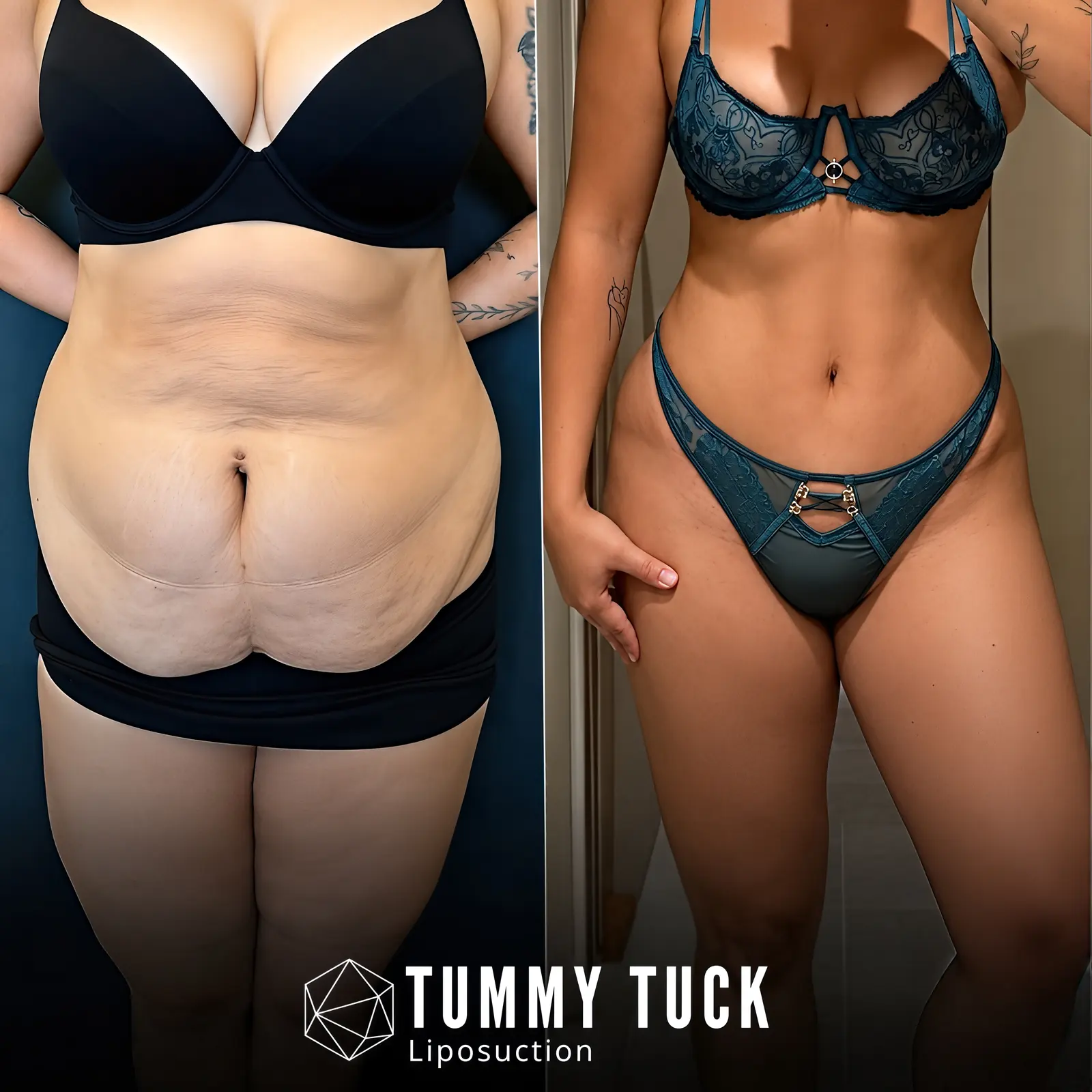
There is no single number that applies to everyone, but there is a clear principle: the more is removed in one operation, the higher the risk. Many surgeons and professional guidelines regard around 5 litres of total aspirate (the fat and fluid suctioned out) as the point where liposuction becomes "large volume" and needs extra precautions. For most people the amount planned is lower than that, because the aim is a better shape, not a lower weight.
Why there is a safe limit
Before the fat is removed, the area is filled with a large volume of fluid containing a local anaesthetic and a medicine that narrows blood vessels. This makes the operation safer and reduces bleeding. When a lot of fat and fluid are removed, though, the body has to cope with bigger shifts in fluid, some blood loss and a longer anaesthetic. The risks that rise with volume include:
- Fluid imbalance and low blood pressure
- Blood loss and, rarely, the need for a transfusion
- Blood clots in the legs or lungs, which become more likely with longer operations
- Problems related to the local anaesthetic used in the fluid
- Uneven contours and loose skin when a large volume is taken from one area
The 5-litre threshold, explained
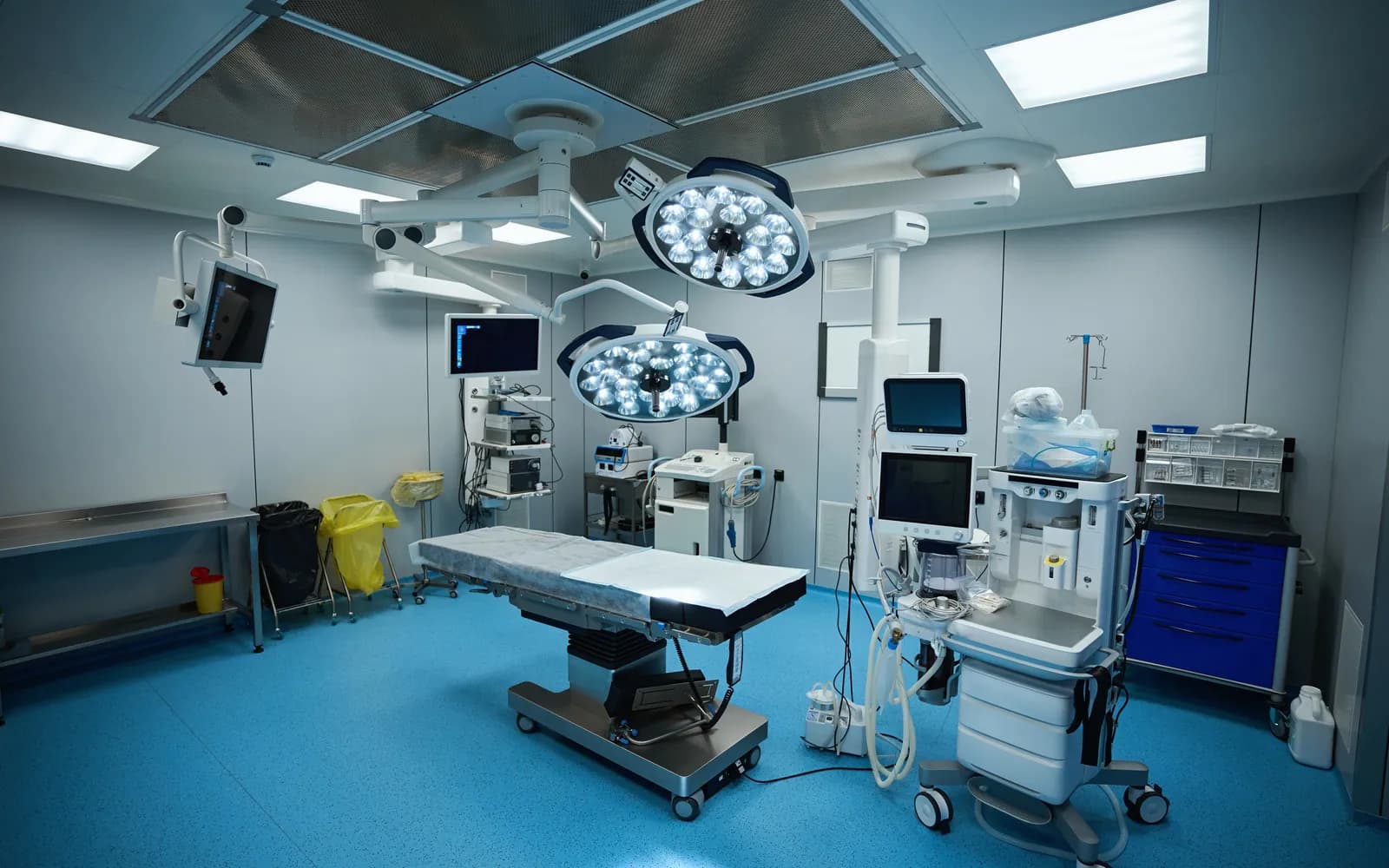
The figure of about 5 litres refers to the total aspirate, which includes the infiltrated fluid and a little blood, not pure fat. Above that level, guidelines recommend an overnight stay in hospital with monitoring of fluids and vital signs. It is a threshold for extra care, not a target.
Your surgeon calculates a personal limit from your weight and body mass index, your general health, the number of areas and whether liposuction is combined with another operation such as a tummy tuck. When several operations are combined, surgeons often remove less by liposuction to keep the total operation safe. If more areas need treatment than is sensible in one go, the work can be staged in two sessions a few months apart.
At MAYCLINIK, safe volume limits are part of the plan from the start, and you stay one night in hospital after Vaser liposuction before returning to your hotel.
How your surgeon plans the amount
The plan starts with an examination, standing up, so your surgeon can see how fat sits on your body. Things they look at include:
- How thick the fat layer is in each area, often checked with a gentle pinch
- How elastic your skin is, because the skin has to shrink over the new contour
- Which areas change your outline most, so the volume is used where it makes the clearest difference
- Your medical history, including medicines, previous operations and any history of blood clots
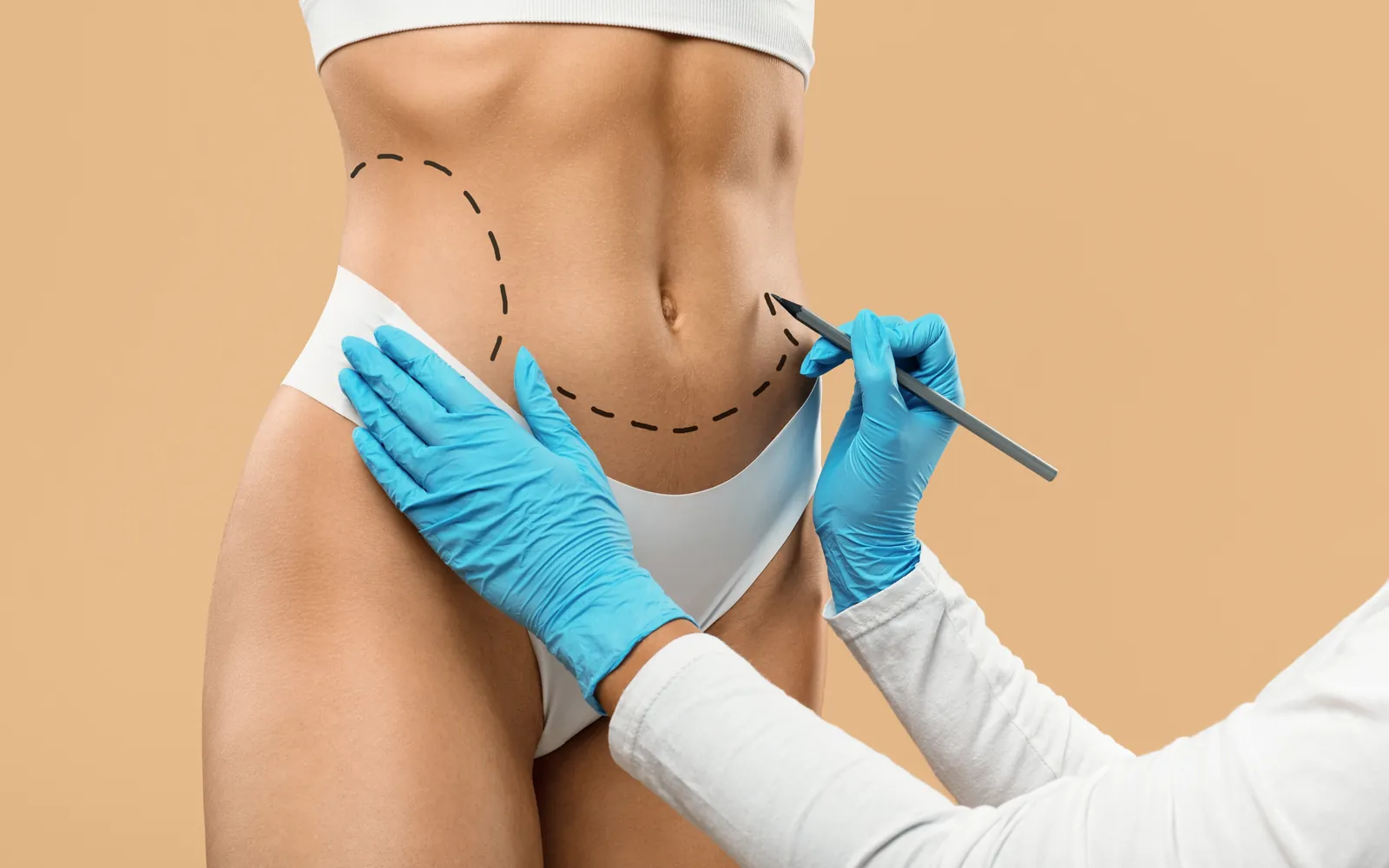
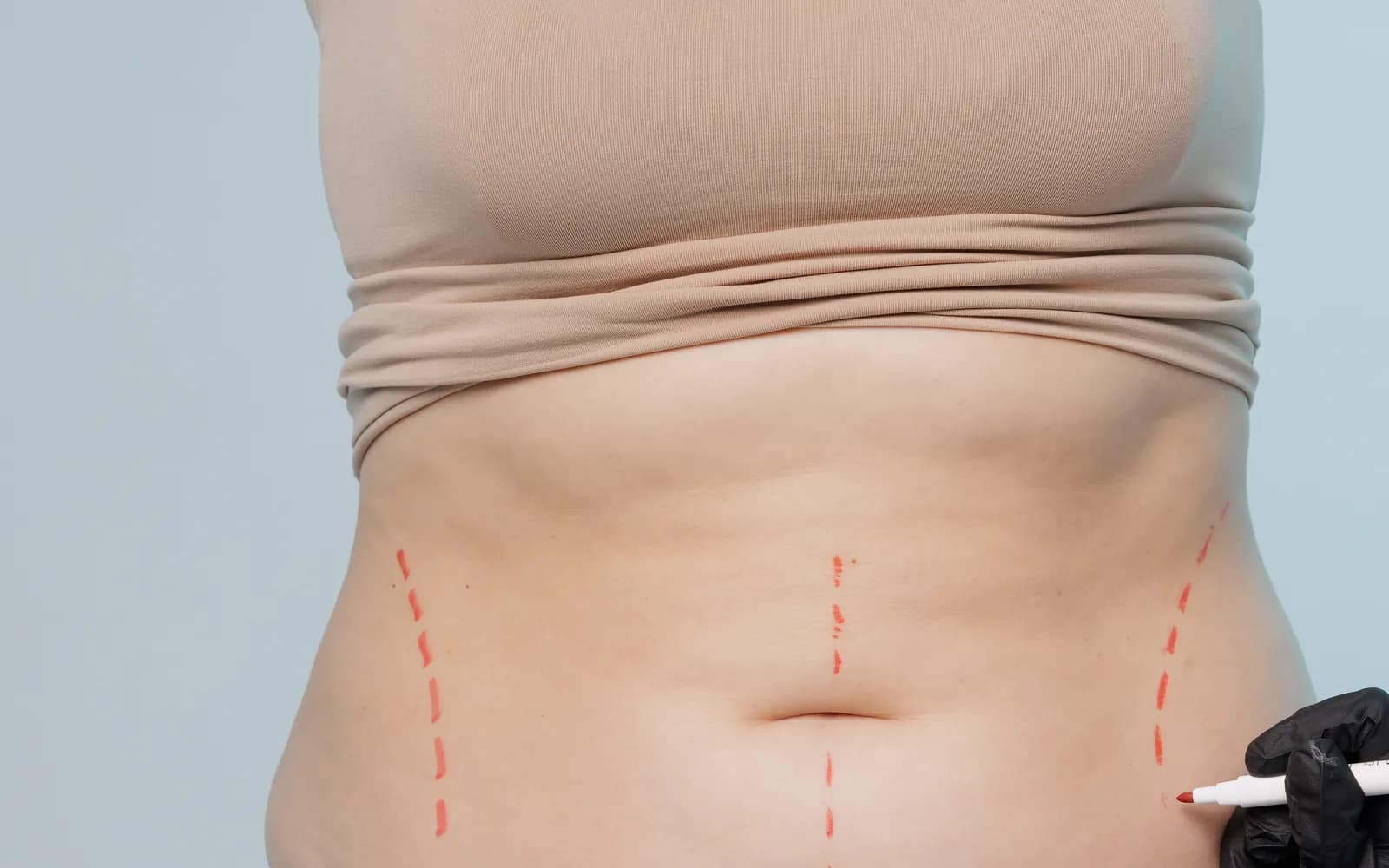
The areas are then marked on your skin before surgery. The aim is a balanced shape, not removing as much as possible from any single area.
How much weight can I lose with liposuction?
Usually only a few kilos. There are three reasons. Fat is lighter than water, so a litre of fat weighs a little under a kilo. Part of what is removed is the infiltrated fluid, not fat. And in the first one or two weeks, swelling can make you weigh the same or even slightly more than before surgery.
What changes clearly is your outline: centimetres around the waist or thighs, the way clothes fit and the balance between different areas of your body. Many people go down a clothing size in the treated area while the number on the scale barely moves.
| What changes | What does not |
|---|---|
| Shape and proportions of the treated areas | Your overall weight, by more than a few kilos |
| Centimetres in the treated areas | Fat deep inside the abdomen |
| How clothes fit | Loose, hanging skin |
| Stubborn pockets that resisted diet and exercise | Cellulite |
Why liposuction cannot replace weight loss
Liposuction only reaches the fat under the skin. The fat around the organs, which is most closely linked to heart disease and diabetes, is not touched, and studies have not shown that liposuction brings the health benefits of losing weight through diet, activity or medical treatment. Removing very large volumes in an attempt to lose weight also raises the risks described above, and can leave the skin loose and uneven.
This is why surgeons look for people who are within about 10–15 kg of their ideal weight, or closer, and whose weight has been stable for some months.
If you have a lot of weight to lose
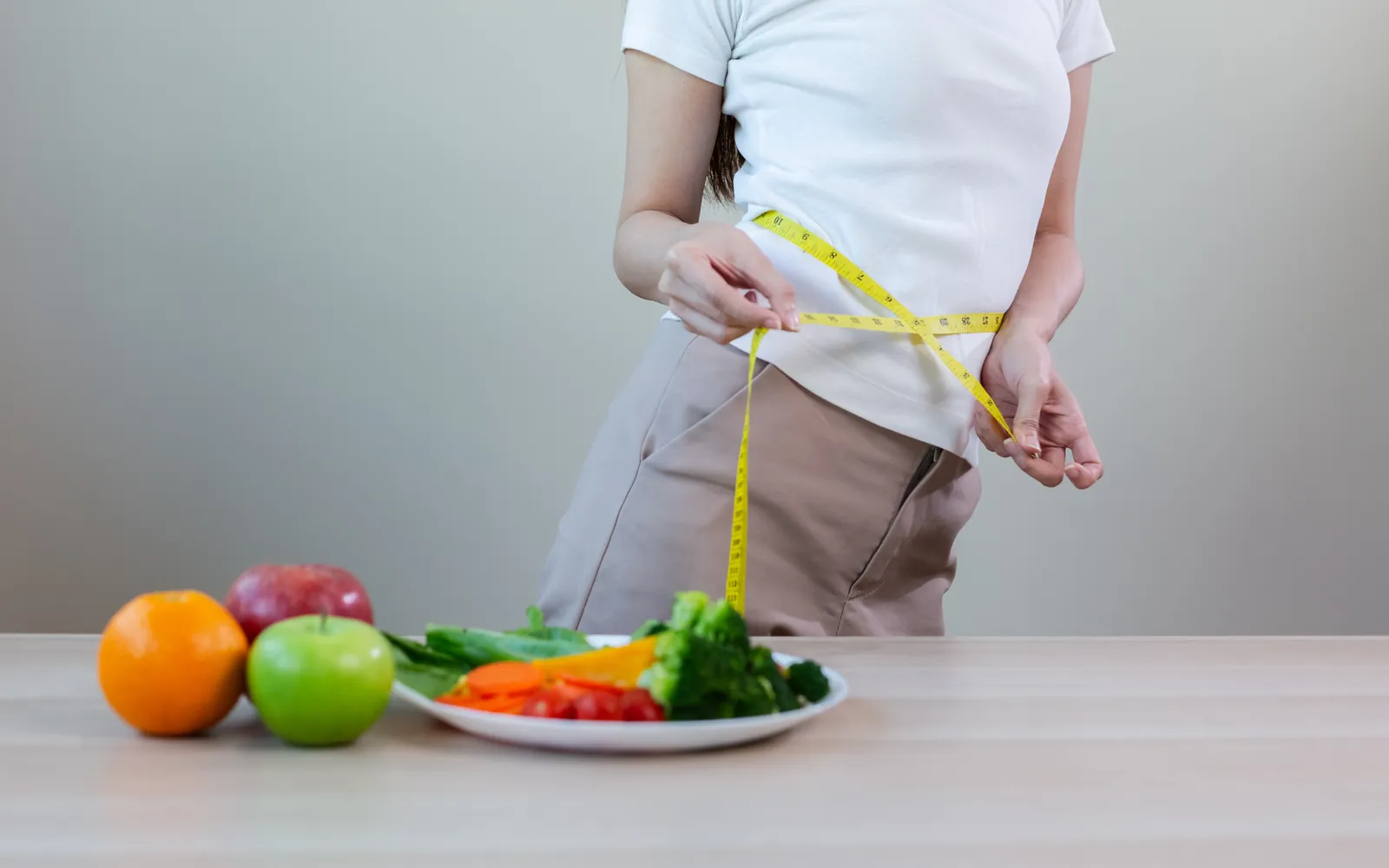
If your goal is a significant weight loss, a different path usually works better: lifestyle change and medical support first, and for people with obesity, weight-loss surgery such as a gastric sleeve or gastric bypass may be an option. Once your weight has been stable for some months, body contouring can then treat what is left, often a combination of liposuction and skin-tightening operations.
When to contact your surgeon after liposuction
Call your surgeon or coordinator straight away if you notice any of the following, and seek emergency care for chest pain or sudden breathlessness:
- Feeling faint or dizzy when you stand up, beyond the first day
- Shortness of breath or chest pain
- A swollen, painful or warm calf
- Fever, spreading redness or a wound that smells or oozes pus
- A sudden increase in swelling on one side
Our Vaser liposuction page explains which areas can be treated, who the treatment suits and what a typical stay in Istanbul looks like, so you can see whether it fits your goals.
Frequently asked questions
It depends on your weight, health and the areas treated. Many guidelines treat about 5 litres of total aspirate (fat plus fluid) per session as the threshold for large-volume liposuction, which needs extra precautions. Your surgeon sets your personal limit.
Usually only a few kilos. Liposuction changes your shape and measurements far more than your weight.
Swelling and the fluid used during surgery can add weight for the first one or two weeks. It goes down as the swelling settles.
Yes, within safe limits. If the total would be too much for one operation, your surgeon may suggest two sessions a few months apart.
No. It removes fat under the skin from chosen areas. For obesity, lifestyle change, medical treatment or weight-loss surgery are the appropriate options.