One of the first questions a plastic surgeon asks at a consultation is your height and weight. From these, they calculate your body mass index (BMI). It is not a judgement on how you look. BMI is a quick, practical way to estimate risk during anaesthesia and healing, and to predict how good and how lasting your result is likely to be.
What is your BMI and why is it important?
BMI compares your weight with your height. You calculate it by dividing your weight in kilograms by your height in metres, squared:
BMI = weight (kg) ÷ (height (m) × height (m))
For example, if you weigh 70 kg and are 1.70 m tall: 70 ÷ (1.70 × 1.70) = 70 ÷ 2.89 = a BMI of about 24.2. You can also use the NHS BMI calculator online.
| BMI | Category (adults) |
|---|---|
| Below 18.5 | Underweight |
| 18.5–24.9 | Healthy weight |
| 25–29.9 | Overweight |
| 30–39.9 | Obesity |
| 40 or above | Severe obesity |
These ranges are used for most adults. For some ethnic groups, health risks start at a lower BMI, which your doctor may take into account.
Why BMI matters for safety
A higher BMI is linked with a higher risk of complications during and after surgery. The main reasons:
- Blood clots: the risk of deep vein thrombosis and pulmonary embolism rises with BMI, especially after longer operations and long flights.
- Anaesthesia: breathing and airway management can be more difficult, and conditions such as sleep apnoea are more common.
- Wound healing: fatty tissue has a poorer blood supply, so wounds are more likely to open or become infected.
- Fluid collections (seroma): more common after body contouring in people with a higher BMI.
- Related conditions: high blood pressure and diabetes are more frequent and also affect healing.
If you travel for surgery, the flight home adds to the risk of blood clots in the first weeks. This is one reason why surgeons are more cautious about body contouring at a higher BMI, and why you stay long enough for your surgeon to check you before you fly. Walking regularly, drinking enough water, wearing compression stockings if advised and moving your legs during the flight all help.
Why BMI matters for your result
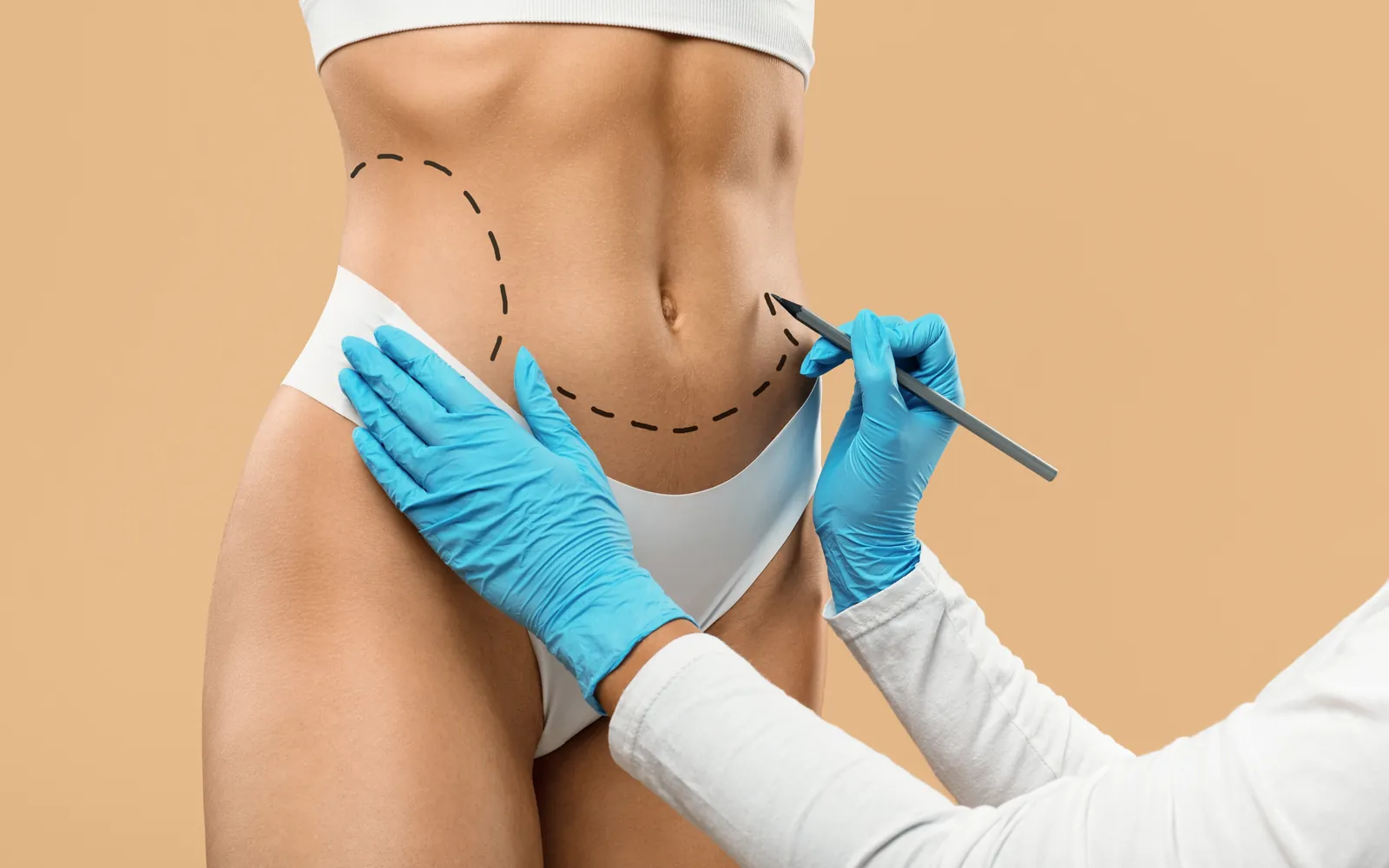
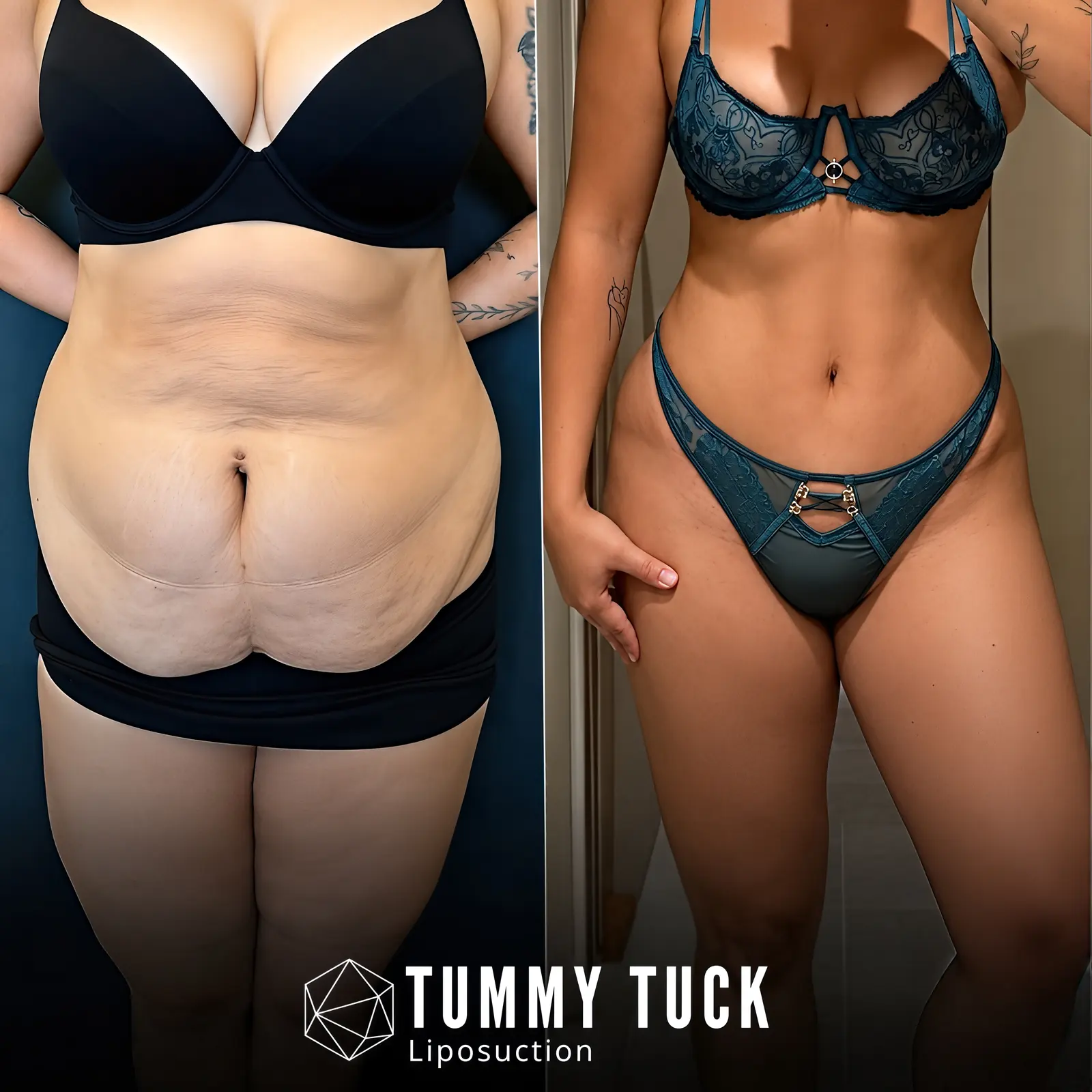
Body contouring works on the fat under the skin and on loose skin. It cannot remove the fat around the internal organs that makes the abdomen firm and rounded. If much of your weight sits there, a tummy tuck or liposuction will make less difference than you hope. Losing weight first often means the surgeon can achieve a flatter, more defined shape, and the scar can be placed more precisely.
Weight also affects how long a result lasts. Liposuction removes fat cells permanently, but the cells that remain can still grow. A tummy tuck removes loose skin, but significant weight gain stretches the skin again. Reaching a weight you can maintain before surgery protects the result you have invested your time and recovery in.
A very low BMI can be an issue too. A BBL or fat transfer needs enough fat to harvest, and being underweight can slow healing.
Typical BMI thresholds
There is no single international rule, and each surgeon and hospital sets its own limits. As a general guide:
| Procedure type | What many surgeons prefer |
|---|---|
| Tummy tuck, mommy makeover, body lifts | BMI ideally below 30; above about 30–32, weight loss is often advised first |
| Liposuction | Within about 10–15 kg of your ideal weight, with elastic skin |
| BBL | Enough fat to transfer, with a stable weight |
| Breast reduction | Some flexibility, since heavy breasts can make exercise hard; your surgeon will advise |
| Face and nose surgery | BMI matters less, but general health and blood pressure are checked carefully |
These are typical preferences, not fixed rules. Your surgeon will advise on your own situation after reviewing your details.
Why a stable weight matters
Surgeons look not only at your current BMI but also at how stable it has been. If you are still losing weight, your shape will keep changing after surgery, and loose skin may return. If you gain a lot of weight later, the remaining fat cells grow and the result changes.
- Many surgeons like to see your weight stable for 6–12 months before body contouring.
- After weight-loss surgery, body contouring is usually planned 12–18 months after the operation, once your weight has settled.
- Pregnancy planned in the near future is also a reason to wait, especially before a tummy tuck.
The limits of BMI
BMI does not distinguish between muscle and fat. A muscular person can have a high BMI and very little body fat. It also says nothing about where fat is stored. That is why your surgeon looks at photos, asks about your history and examines you, and does not rely on the number alone.
If your BMI is above the limit
Hearing that you need to lose weight first can be disappointing, but it is meant to protect you. Practical steps:
- 1Ask your surgeon what BMI or weight they would like you to reach.
- 2Work with your GP or a dietitian on a realistic plan.
- 3If you have obesity and diet has not worked, ask about medical options, including weight-loss surgery.
- 4Keep your new weight stable for several months, then send updated photos and measurements.
If you are unsure whether your BMI suits the procedure you have in mind, a free medical consultation with MAYCLINIK is a good place to start: a surgeon reviews your details and photos and tells you honestly whether now is the right time.
Frequently asked questions
Many surgeons prefer a BMI below about 30. Above about 30–32, they often recommend losing weight first for safety and a better result.
Sometimes, depending on the procedure, your health and where you carry weight. Face surgery, for example, is less affected by BMI. Your surgeon will advise.
A higher BMI increases the risk of blood clots, wound healing problems, infection and anaesthetic complications, and can limit the result of body contouring.
Many surgeons like to see a stable weight for 6–12 months before body contouring, and 12–18 months after weight-loss surgery.
BMI does not separate muscle from fat, so it can overestimate body fat in muscular people. Your surgeon looks at your build and examination, not only the number.