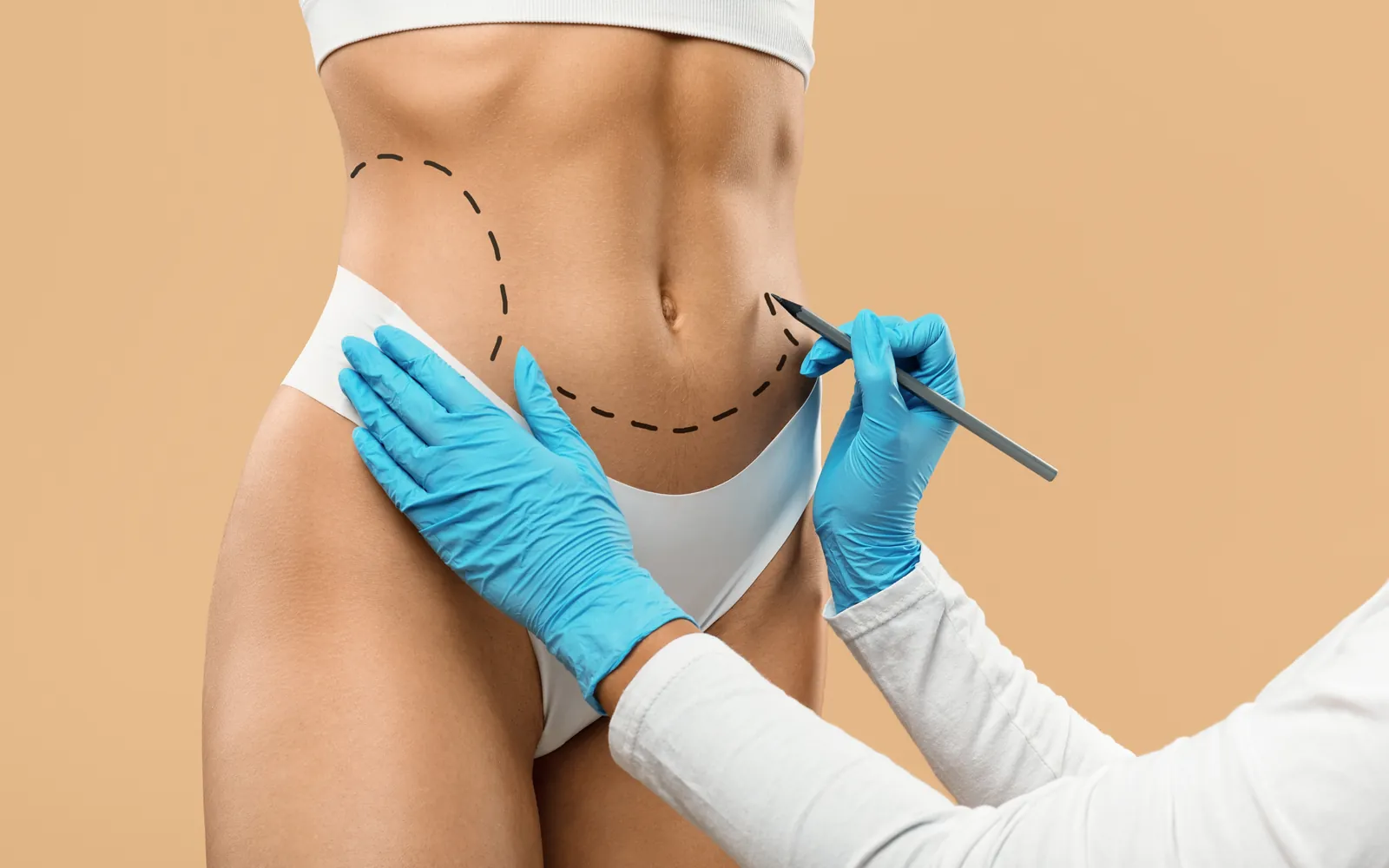

Good preparation makes surgery safer and recovery smoother. Most of the important steps happen weeks before the operation, not the night before. This checklist takes you through them in order. After your medical consultation, your surgeon and coordinator give you personal instructions; where they differ from this general guide, follow theirs.
Four weeks or more before surgery
Stop nicotine
Nicotine narrows blood vessels and reduces the oxygen reaching your tissues. It increases the risk of wound breakdown, infection and poor scars, particularly after a tummy tuck, breast lift or facelift. Stop cigarettes, vapes, nicotine patches, gum and snus at least 4 weeks before surgery and stay off them for at least 4 weeks afterwards. Your GP or a stop-smoking service can help.
Get your health in order
- Make sure conditions such as high blood pressure and diabetes are well controlled.
- Aim for a stable weight: avoid crash diets, which can leave you short of protein for healing.
- Cut down on alcohol, which affects bleeding, healing and how anaesthetic drugs work.
- Book any dental treatment, vaccinations or other procedures well before or well after your surgery.
Medicines and blood thinners
Some medicines increase bleeding or the risk of blood clots. Your surgeon will tell you which ones to pause and when. Common examples:
- Aspirin and anti-inflammatory painkillers such as ibuprofen and naproxen are often stopped 1–2 weeks before surgery. Paracetamol is usually fine.
- Prescribed blood thinners (anticoagulants and antiplatelet medicines) must never be stopped without the advice of the doctor who prescribed them. Sometimes surgery is not appropriate while you need them.
- Hormonal contraception and HRT can increase the risk of blood clots. Your surgeon may ask you to pause them, or plan extra precautions.
- Weight-loss injections and diabetes medicines can affect anaesthesia and fasting. Mention them early.
Supplements and herbal remedies
Many people do not think of supplements as medicines, but some affect bleeding or anaesthesia. Surgeons commonly ask you to stop the following about 2 weeks before surgery:
- Fish oil and omega-3
- Vitamin E in high doses
- Ginkgo, garlic and ginseng supplements
- Turmeric and ginger supplements
- St John’s wort
- Pre-workout and weight-loss products
Bring the packaging or a photo of everything you take, so your surgeon can check the ingredients.
Planning your trip
Travelling for surgery means planning the stay around your recovery, not the other way round. Your surgeon needs to check you before you fly, and long flights add to the risk of blood clots in the first days.
| Procedure | Typical stay in Istanbul |
|---|---|
| Hair transplant | About 3 days |
| Rhinoplasty, eyelid surgery, breast augmentation | About 7 days |
| Tummy tuck, mommy makeover | 8 nights (flight home on day 9) |
| BBL | About 8 days |
| Facelift | 8–10 days |
- Book flights only after your surgery date and stay length are confirmed.
- Consider bringing a companion, especially for body surgery.
- Arrange time off work for the full recovery, not just the trip.
- Organise help at home with children, pets, shopping and lifting for the first weeks.
- Prepare your home before you leave: easy meals, extra pillows and things you need within reach.
What to pack
- Passport, travel insurance details and a list of your medicines
- Loose, comfortable clothes that open at the front (button or zip), and slip-on shoes
- Extra pillows or a travel pillow for sleeping with your upper body raised
- Lip balm, a water bottle, unscented moisturiser and dry shampoo
- Phone charger with a long cable and headphones
- Light snacks and anything that helps you rest (a book, downloaded films)
Compression garments and support bras are usually provided as part of the package. Ask your coordinator what is included before you buy anything.
Getting ready for your big day: mental preparation
Surgery is a big step, and it is normal to feel excited and anxious at the same time. A few things help most people:
- Write down your questions and ask them at your consultation. Uncertainty feeds worry.
- Know what normal recovery looks like. Swelling, bruising and tiredness are expected, and results take months to settle.
- Expect a low moment. Many people feel flat or regretful in the first week, when they are swollen and tired. It passes as you heal.
- Avoid comparing yourself with filtered photos online; every body heals at its own pace.
- Plan small comforts for recovery: calls with friends, a favourite series, short walks.
If you have a history of anxiety, depression or an eating disorder, or if you are very preoccupied with one small feature, talk to your surgeon. It does not necessarily rule out surgery, but the timing and support around it matter.
Dos and don’ts the week before a facelift
Facial surgery has a few extra points of its own. In the week before a facelift:
- Do keep your blood pressure well controlled and take your usual blood pressure medicine as advised.
- Do colour your hair beforehand if you wish, as you may need to wait several weeks afterwards.
- Do wash your hair well the night before or the morning of surgery, as instructed.
- Don’t have facial treatments such as peels, laser, waxing or injections without asking your surgeon.
- Don’t get sunburned on your face or neck.
- Don’t take aspirin, anti-inflammatory painkillers or the supplements listed above.
- Don’t drink alcohol in the days before surgery.
The day before and the morning of surgery
- Follow the fasting instructions exactly: usually no food for about 6 hours before anaesthesia, and only clear fluids until a set time.
- Shower, and don’t apply lotion, make-up or perfume.
- Remove nail polish, false nails, jewellery and piercings.
- Tell the team straight away if you develop a cold, fever, cough or a skin infection. Surgery may need to be postponed for your safety.
A free medical consultation with MAYCLINIK is the first step: a surgeon reviews your health details and photos, and your coordinator then gives you a personal preparation plan for your procedure and trip.
Frequently asked questions
At least 4 weeks before surgery and for at least 4 weeks afterwards. This includes vaping, nicotine patches, gum and snus.
Commonly fish oil, high-dose vitamin E, ginkgo, garlic, ginseng, turmeric, ginger and St John’s wort, usually about 2 weeks before. Your surgeon will confirm your personal list.
Never stop a prescribed blood thinner on your own. Your surgeon and the doctor who prescribed it decide together whether and how to pause it.
Avoid aspirin and anti-inflammatory painkillers, certain supplements, alcohol, sunburn and facial treatments, and keep your blood pressure well controlled.
Ask all your questions, learn what normal recovery looks like, expect a low moment in the first week and plan support and small comforts for your recovery.