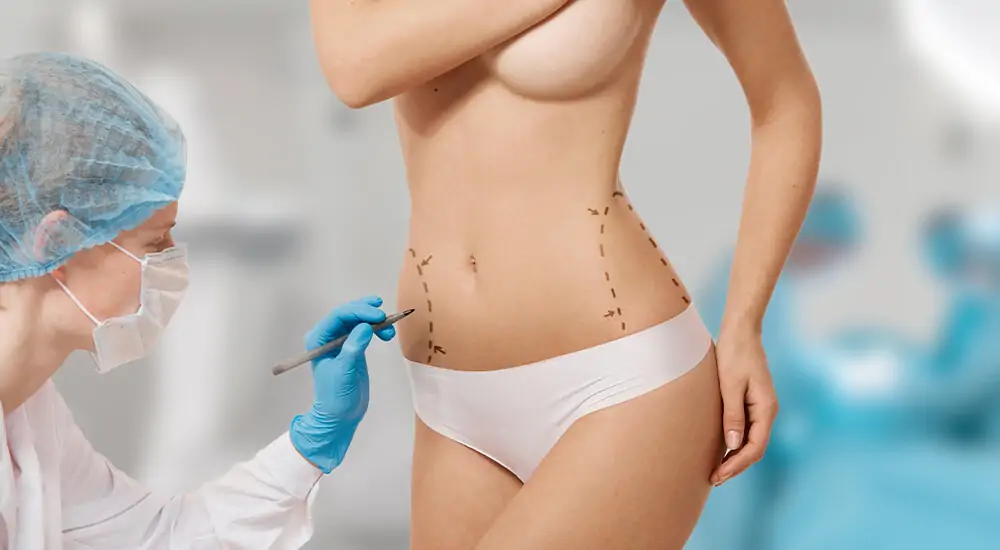



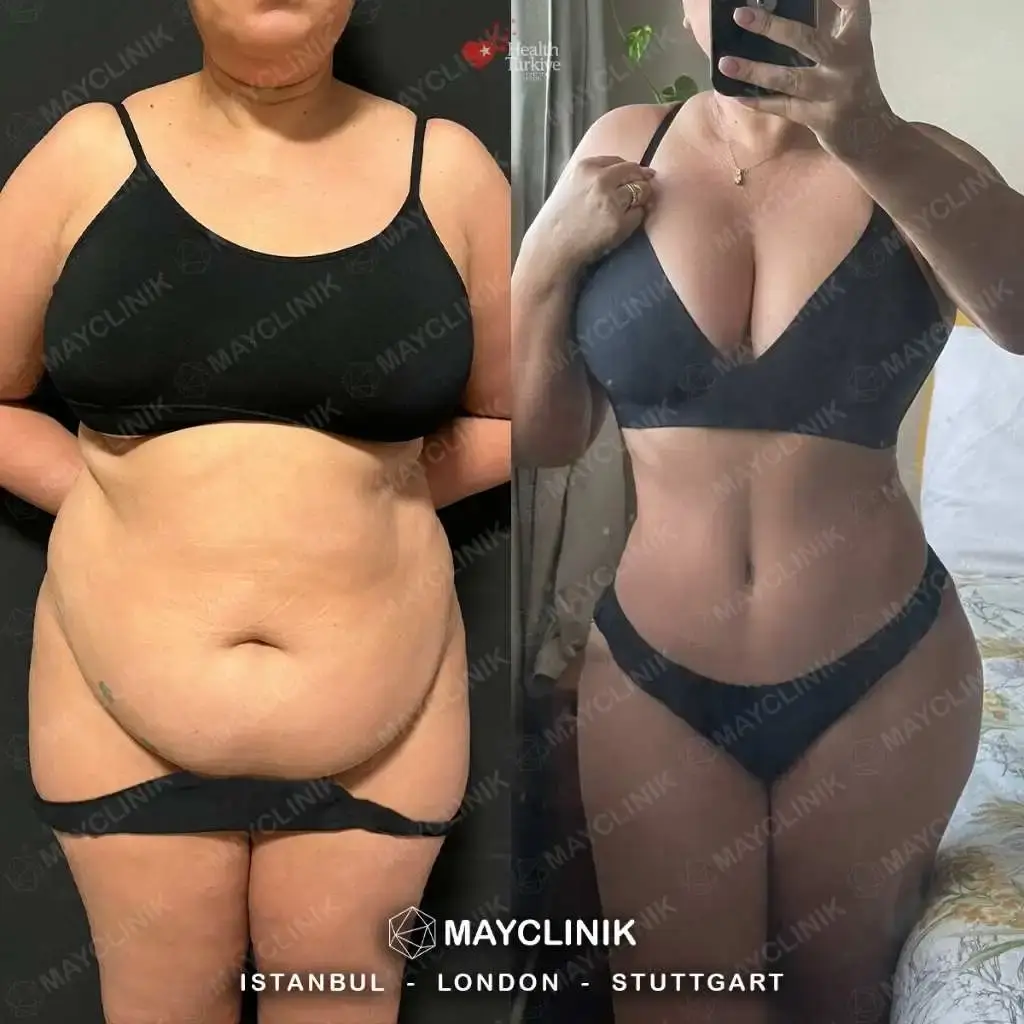
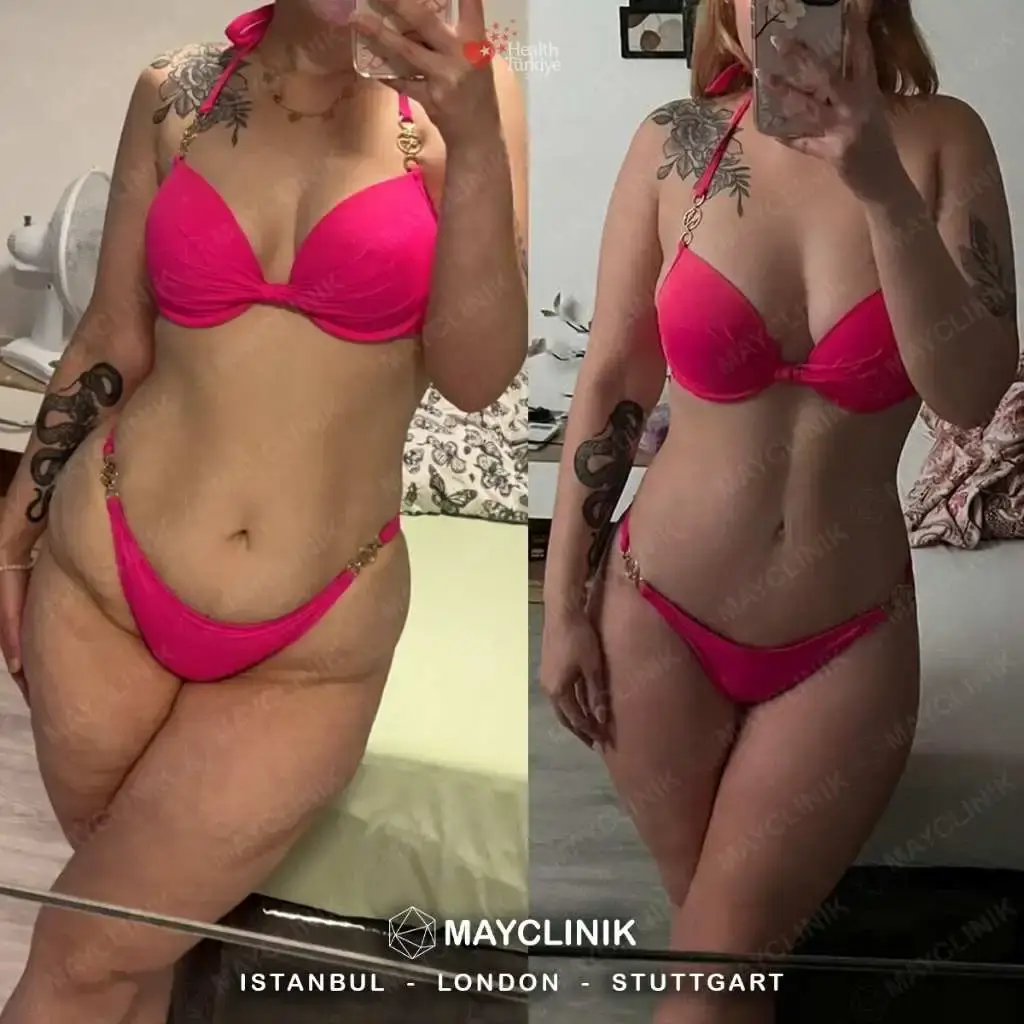
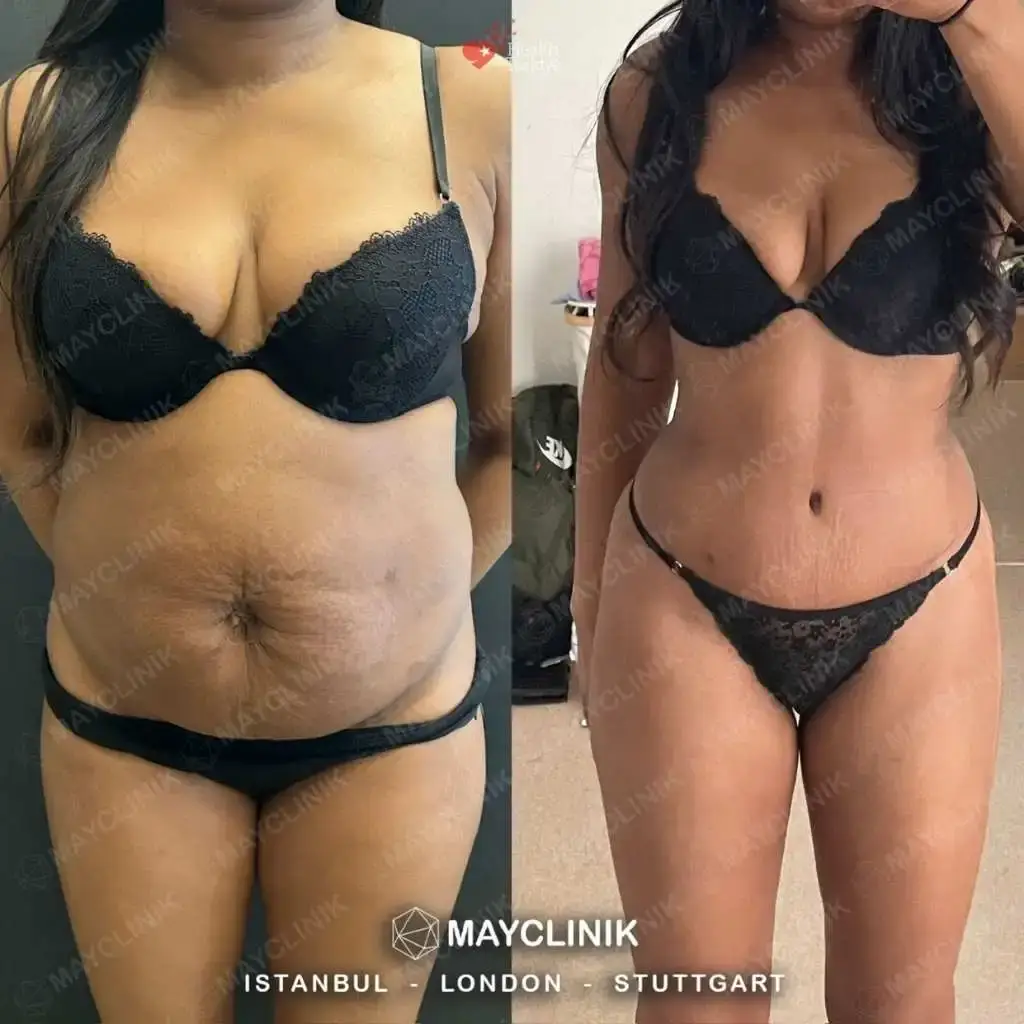
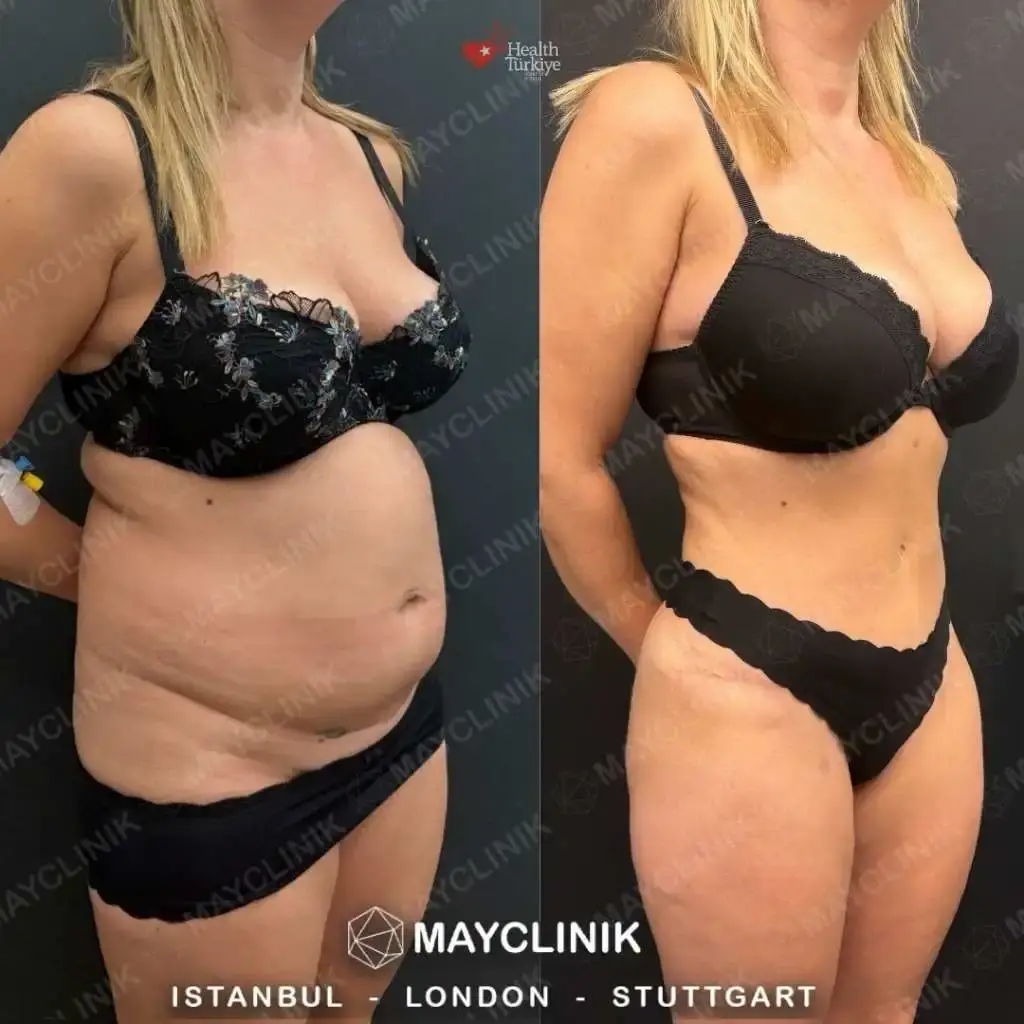
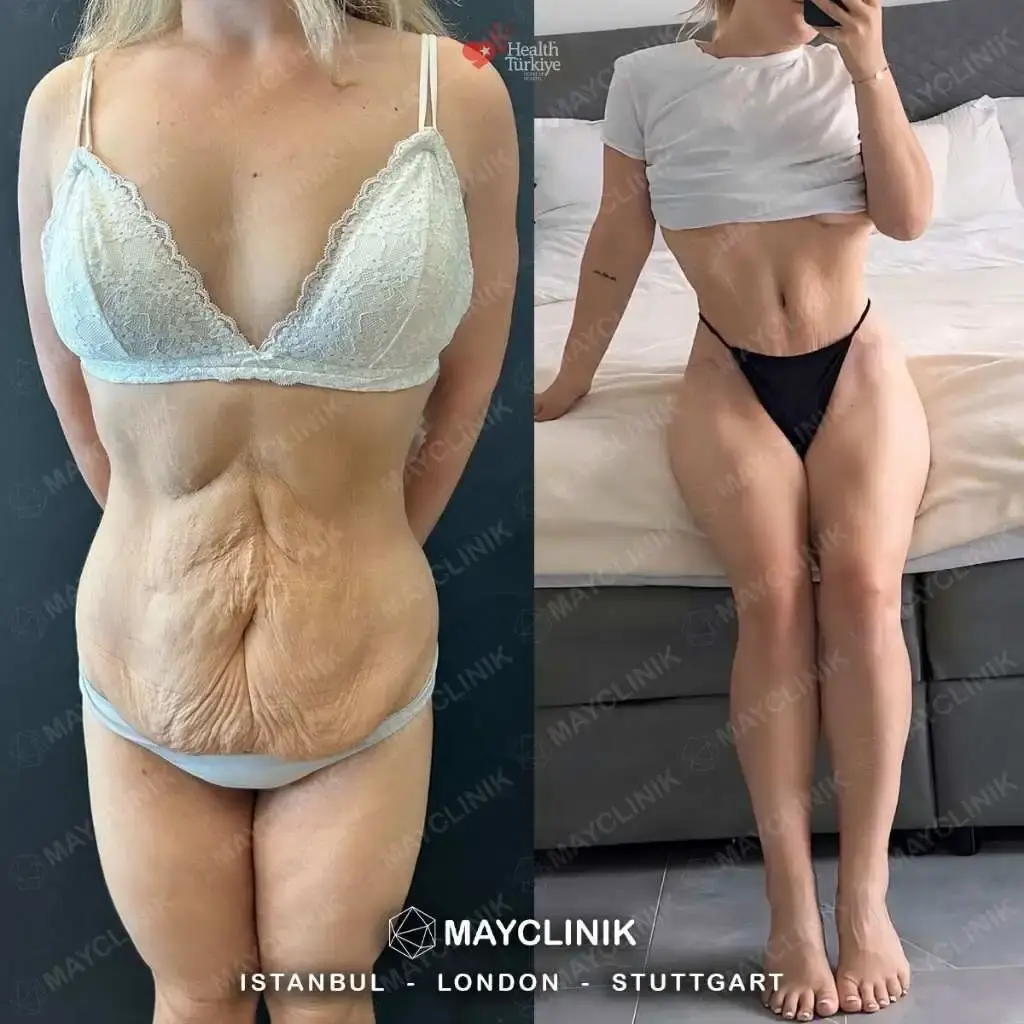
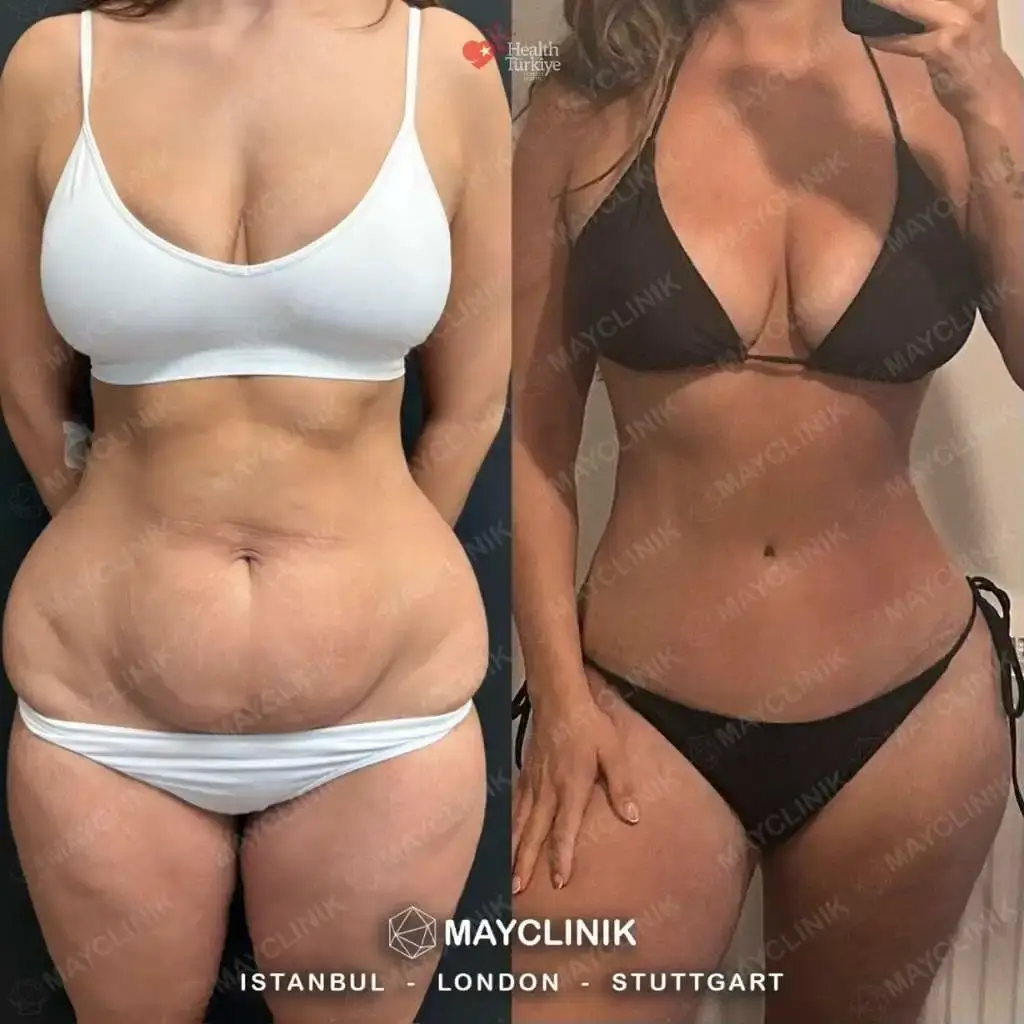
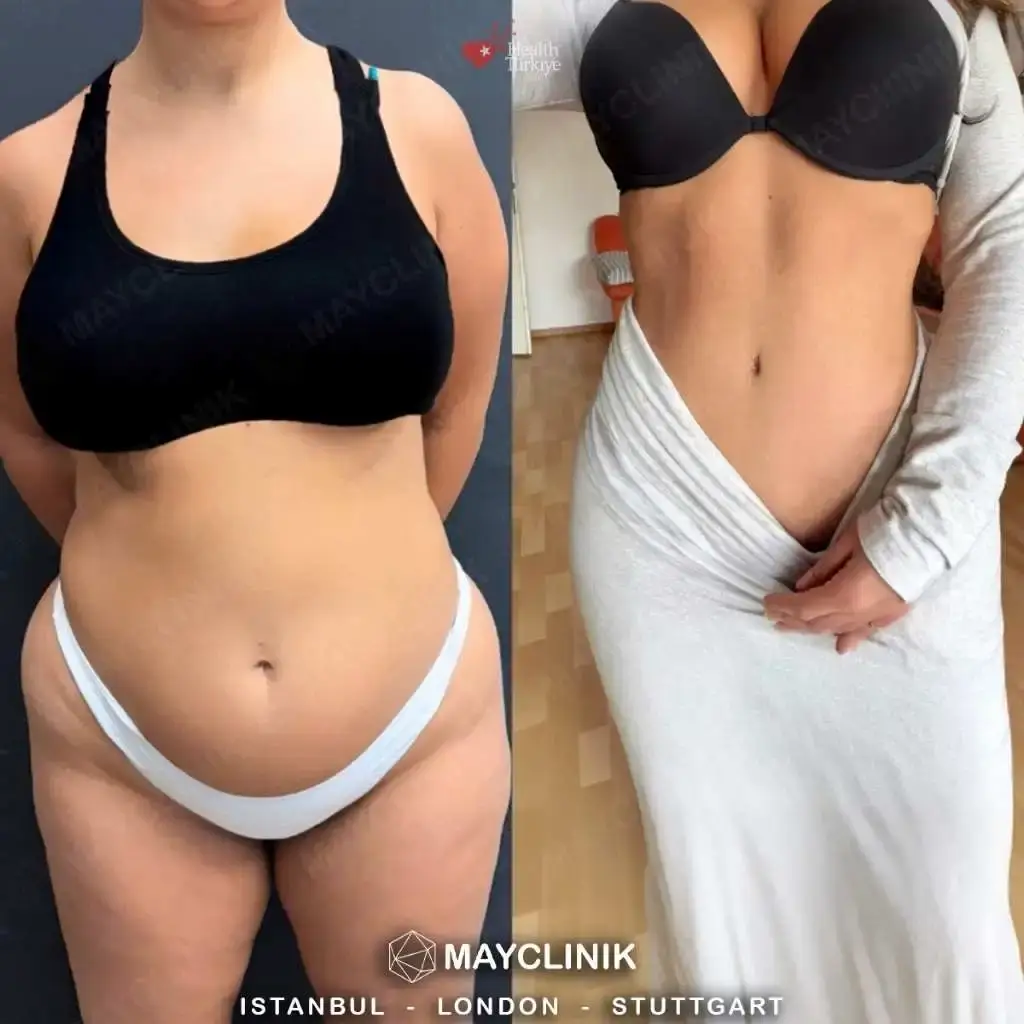
It’s the question everyone is quietly thinking but not always saying out loud. You’ve found clinics with impressive prices, looked at before-and-after photos, maybe even started a consultation. And then the doubt creeps in: is this actually safe?
The answer is yes but it comes with important conditions. And understanding those conditions is what separates people who have excellent outcomes from those who run into problems.
This article doesn’t sell you on Turkey. It gives you the real picture: what makes a tummy tuck in Turkey safe, what the actual risks are, and exactly what to look for when choosing a clinic.
Turkey’s Medical Tourism Sector Is Not What It Was Ten Years Ago
The concern about safety in medical tourism often comes from an outdated mental image an unlicensed clinic somewhere, a surgeon with questionable credentials, no aftercare. That image may have had some basis in reality in the early days of medical tourism, but it no longer reflects the reality of Turkey’s established surgical sector.
Turkey currently ranks among the top five countries globally for medical tourism volume, with over one million international patients treated annually. The country has made healthcare infrastructure particularly for aesthetic surgery a deliberate national investment. The result is a competitive, regulated, and well-equipped surgical environment, especially in Istanbul.
That doesn’t mean every clinic in Turkey is trustworthy. It means there is a substantial segment of clinics operating to genuinely high standards. Your job as a patient is to find them.
What “Safe” Actually Means in Surgical Context
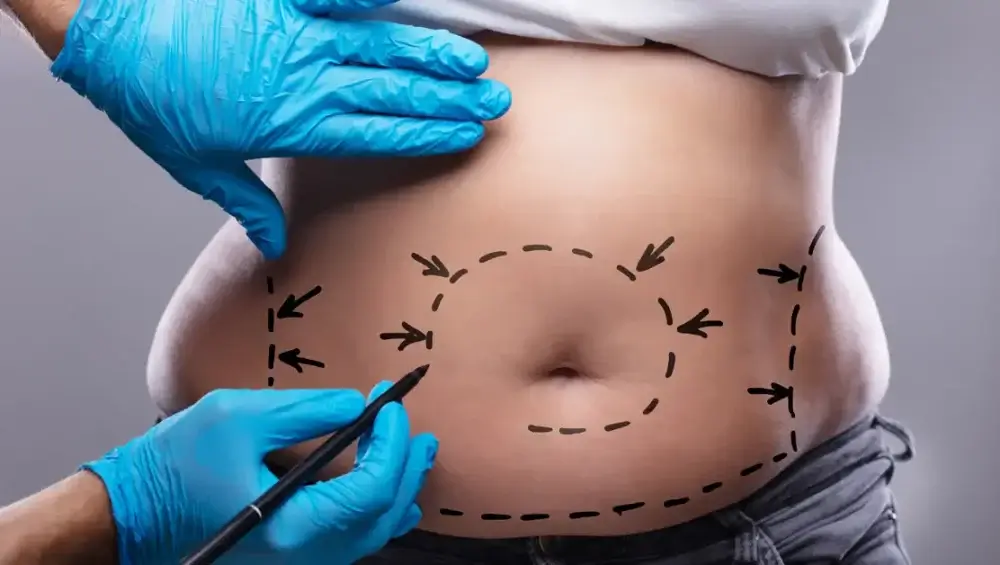
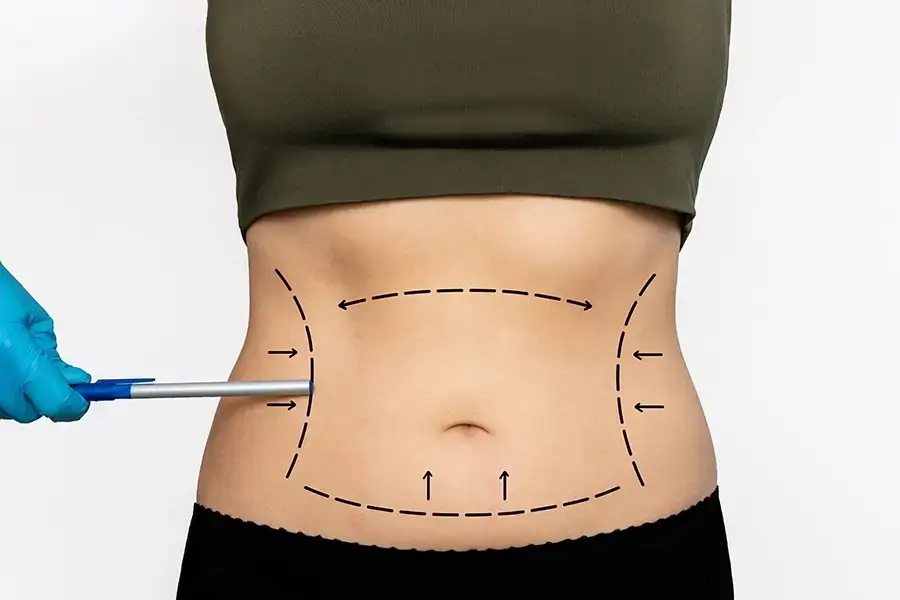
Safety in surgery isn’t binary. Every surgical procedure carries risk this is true whether you’re in a London hospital or an Istanbul clinic. A tummy tuck (abdominoplasty) is a major operation that involves general anesthesia, muscle repair, and significant tissue manipulation. The risks exist regardless of geography.
What varies between locations is how those risks are managed. Surgeon experience, anesthesia protocols, sterile technique, hospital grade monitoring, and the quality of post-operative care these are the variables that actually determine safety, not the country you’re in.
The right question isn’t “Is Turkey safe?” It’s “Is this specific clinic and surgeon safe?”
The Markers of a Safe Clinic in Turkey
Here is what to actually look for not vague reassurances, but verifiable indicators.
Board-certified plastic surgeon. In Turkey, the relevant certifying body is the Turkish Society of Plastic, Reconstructive and Aesthetic Surgery (TSPRAS). A surgeon certified by TSPRAS has completed an accredited residency and passed rigorous examination. Additionally, look for international memberships such as ISAPS (International Society of Aesthetic Plastic Surgery) or EBOPRAS (European Board of Plastic, Reconstructive and Aesthetic Surgery). These are not decorative credentials they require ongoing continuing education and adherence to professional standards.
JCI-accredited hospital. The Joint Commission International (JCI) is the global benchmark for hospital accreditation the same organization that evaluates hospitals in the United States, Europe, and around the world. Several hospitals in Istanbul used by medical tourists hold JCI accreditation. This means they have been independently evaluated for clinical standards, infection control, patient safety protocols, and emergency response capabilities. If a clinic is not operating within a JCI-accredited (or equivalently accredited) facility, that is worth knowing before you commit.
Pre-operative medical assessment. A safe clinic does not skip steps. Before any surgical procedure, you should have blood tests, an ECG if indicated by your age or health history, and a thorough consultation with the surgeon not just a coordinator. The surgeon should review your medical history, current medications, and be the one making decisions about your suitability for surgery. If a clinic is willing to schedule you for surgery without a proper medical assessment, that is a serious warning sign.
Anesthesia administered by a specialist. Abdominoplasty is performed under general anesthesia. A qualified anesthesiologist not just a nurse or technician should be present throughout the procedure, monitoring vital signs continuously. Ask who will administer your anesthesia and what their qualifications are.
Realistic follow-up protocols. Safe surgery doesn’t end when you leave the operating table. You should have at minimum one post-operative check before you are cleared to fly home, written aftercare instructions, a direct contact for questions or concerns during recovery, and a clear escalation path if something goes wrong after you return home.
What Are the Actual Risks?
Let’s be direct about this, because it matters for informed decision-making.
General surgical risks include reaction to anesthesia, infection, bleeding, and blood clots. These risks apply to any surgical procedure anywhere in the world. Deep vein thrombosis (DVT) is a particular concern after abdominoplasty long-haul flights shortly after surgery increase this risk significantly. This is why surgeons recommend staying in Turkey for at least 7–10 days before flying home.
Tummy tuck-specific risks include seroma (fluid accumulation under the skin), wound healing issues, asymmetry, and in rare cases, necrosis of skin tissue. These risks are managed through surgical technique, careful patient selection, and attentive post-operative care.
Medical tourism-specific risks are worth separating from surgical risks, because they’re different in nature. They include: flying home before adequate healing, losing access to your surgeon if complications arise weeks later, receiving care from a surgeon who doesn’t know your full medical history, and most critically choosing a provider based on price alone without verifying credentials.
The good news is that all of these risks are substantially reducible through careful clinic selection and following medical advice about recovery.
Red Flags to Watch For
Some warning signs are obvious in hindsight but easy to miss when you’re deep in the research process.
A price that seems too good to be true. Turkey is genuinely affordable for international patients, but there’s a floor below which corners are inevitably being cut. If a quote seems dramatically lower than comparable clinics, ask specifically what is and isn’t included.
No direct access to the surgeon before surgery. You should speak with or video call with the surgeon who will actually operate on you, before you arrive. If a clinic cannot facilitate this, that’s a problem.
Pressure to decide quickly. Legitimate clinics don’t need to rush you. High pressure sales tactics from medical coordinators limited time offers, urgency framing, discouragement of comparison shopping are warning signs.
Vague or evasive answers about credentials. When you ask for a surgeon’s certification, their hospital affiliation, or accreditation documentation, a reputable clinic will provide this without hesitation. Evasiveness is informative.
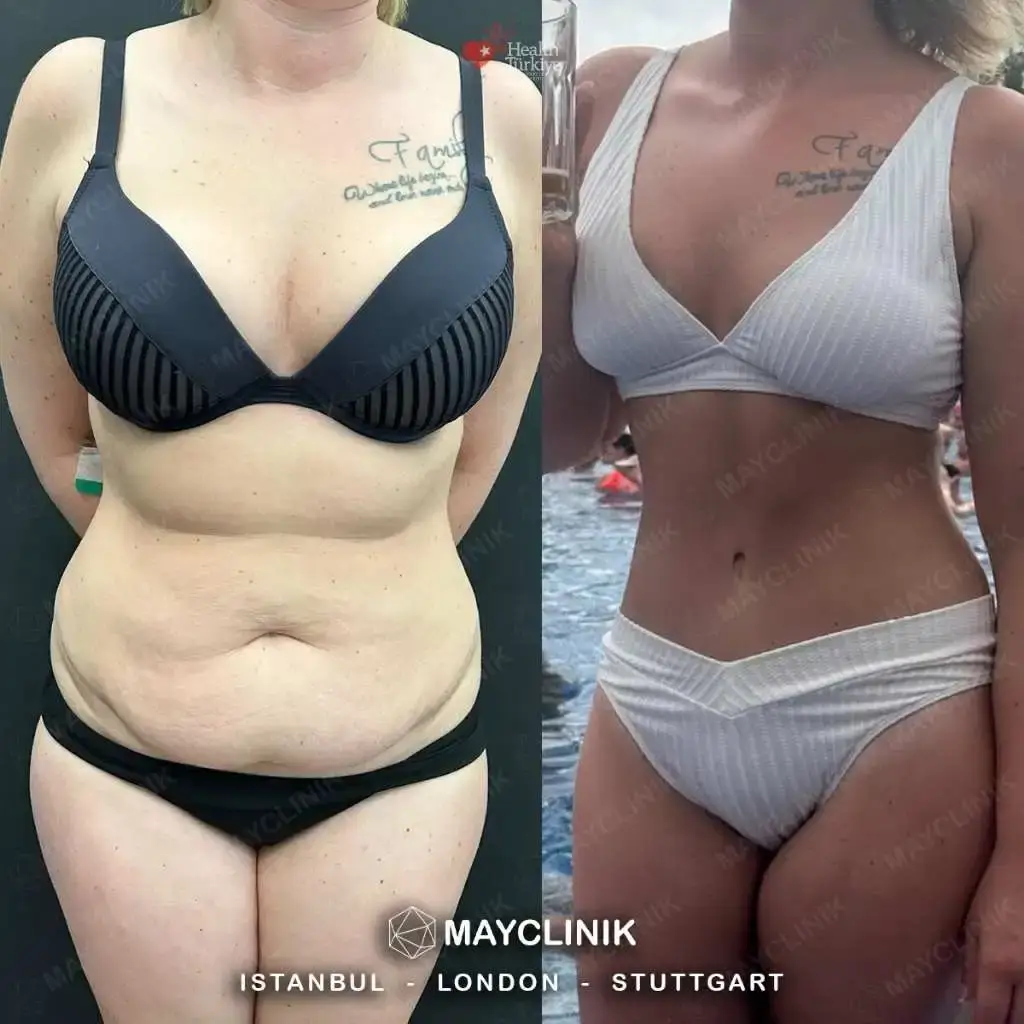
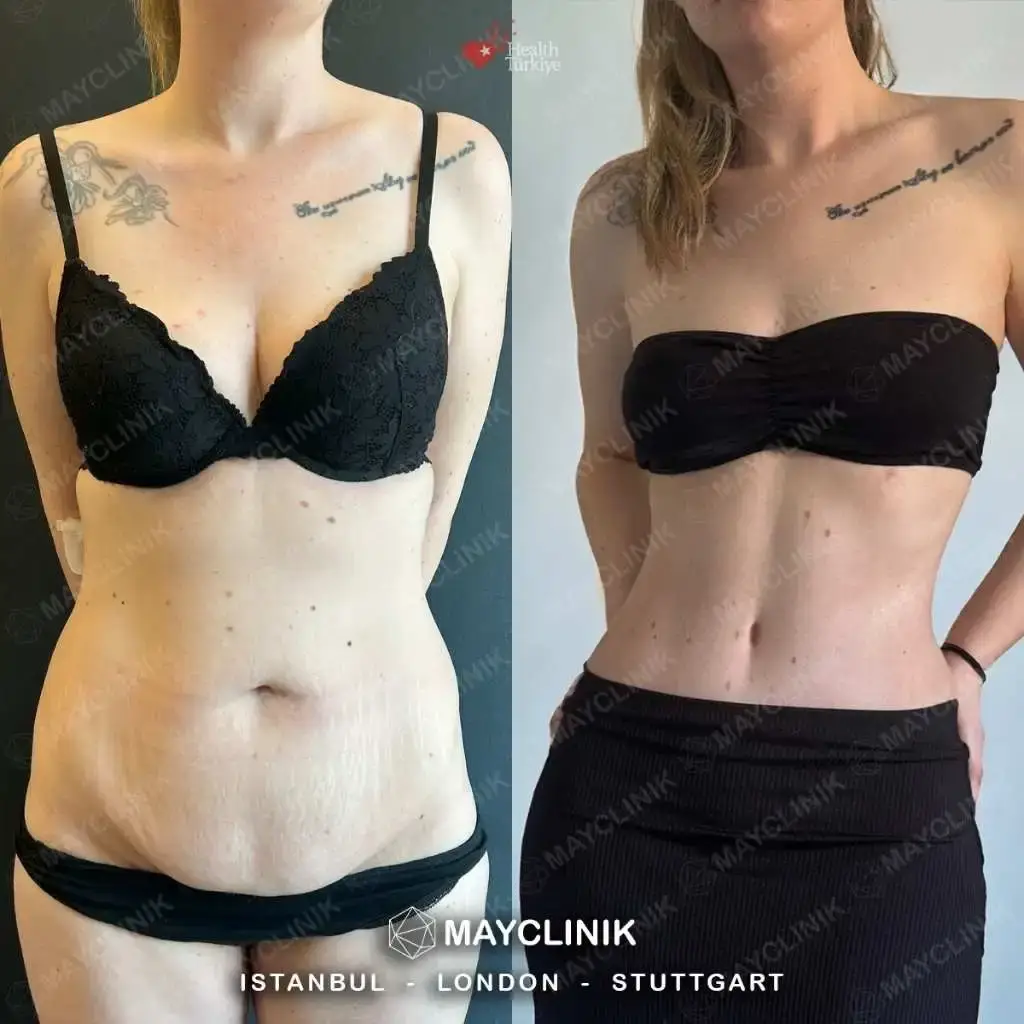
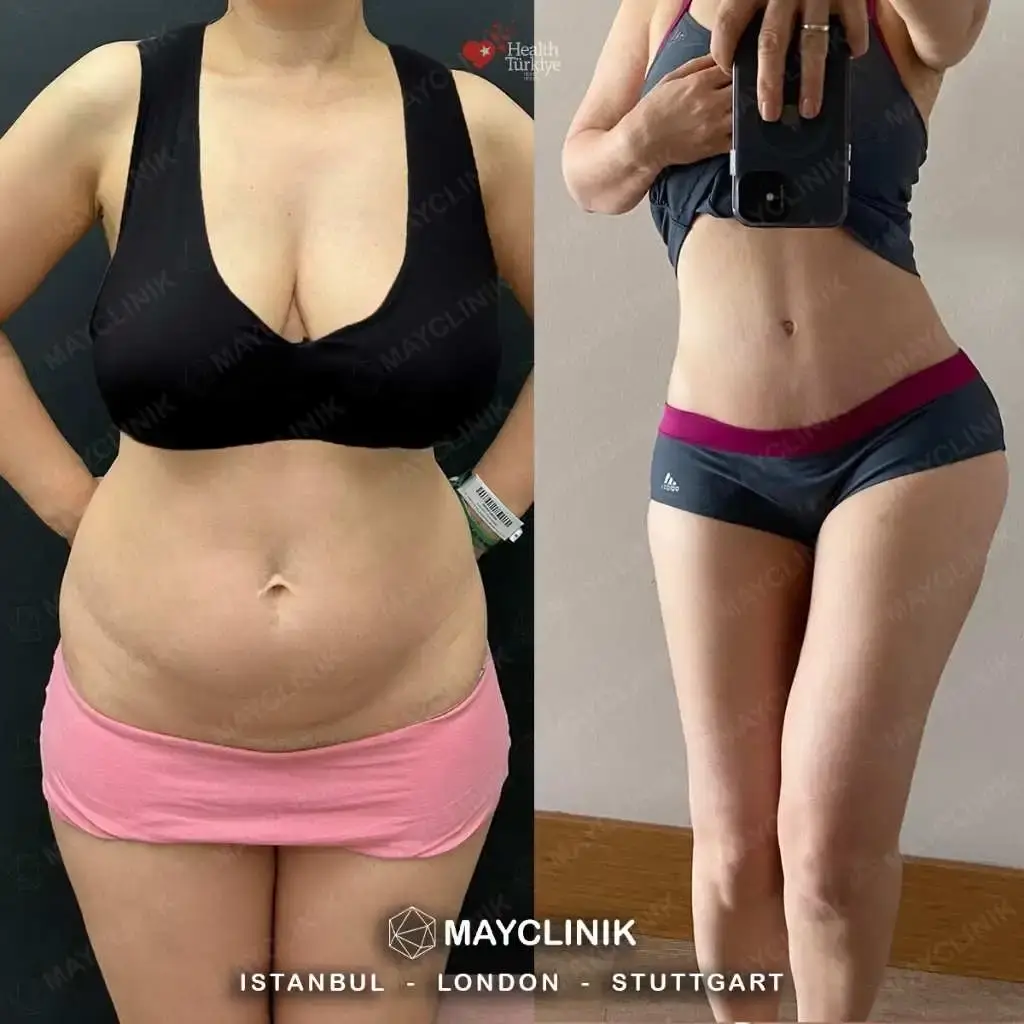
Before-and-after photos that look too perfect or too uniform. Real patient portfolios show variation different body types, different starting points, occasional imperfections. If every photo looks identical or suspiciously curated, approach with skepticism.
No clear aftercare plan for international patients. How will the clinic support you after you return home? Is there a contact you can reach? Will they liaise with a local doctor if needed? These questions matter.
Why Many Patients Report Better Experiences in Turkey Than Expected
This is worth addressing honestly, because it surprises people.
A significant number of patients who undergo abdominoplasty at reputable Turkish clinics report that their experience in terms of communication, personal attention, and surgical outcome — exceeded their expectations. This isn’t just because of price. Several structural factors contribute.
Turkish clinics serving international patients typically have dedicated patient coordinators who manage your entire journey, from initial inquiry through discharge. The surgeon to patient ratio at many Istanbul clinics means you actually spend more time with your surgeon than you might at a busy NHS or private clinic in the UK. And because competition for international patients is fierce, clinics that develop a reputation for excellence invest heavily in maintaining it.
None of this means Turkey is superior to every alternative. It means the narrative that “cheap equals worse” doesn’t hold up when examined carefully.
MAYCLINIK: What Safe Practice Looks Like in Istanbul
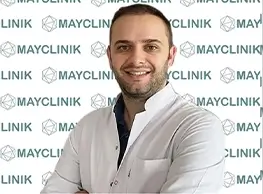
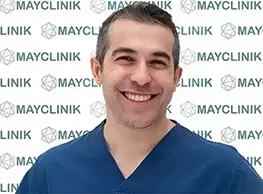
MAYCLINIK is an Istanbul based aesthetic surgery clinic with a patient base that includes individuals from the UK, Germany, the US, the Netherlands, the UAE, and across Europe and the Middle East.
The clinic’s abdominoplasty protocol includes a thorough pre-operative consultation with the operating surgeon, not just administrative staff. Every patient undergoes a medical assessment blood work, relevant imaging, and a review of health history before surgery is scheduled. The procedure is performed in a fully equipped surgical facility under the care of a specialist anesthesiologist.
Post operative care at MAYCLINIK includes in clinic follow up before discharge, written recovery instructions, compression garment guidance, and ongoing availability via the clinic’s patient coordination team for questions or concerns during recovery. For international patients, the team maintains contact after return home and can liaise with local medical professionals when needed.
The clinic provides full surgeon credential information on request, including TSPRAS certification and relevant affiliations, as part of the standard consultation process.
The Bottom Line
Is tummy tuck surgery in Turkey safe? At an accredited clinic with a board-certified plastic surgeon, proper pre operative assessment, qualified anesthesia, and a clear aftercare protocol yes, it is. The outcomes achieved at Turkey’s leading aesthetic surgery clinics are clinically comparable to those in Western Europe and North America.
The safety of your surgery is determined by the specific provider you choose, not by the country in general. Do the due diligence, ask the right questions, and don’t let price be your only filter. When those conditions are met, thousands of patients every year have safe, successful procedures in Istanbul.
If you’re considering a tummy tuck in Turkey, MAYCLINIK offers free consultations that include a full discussion of your health history, surgical options, and realistic expectations. You can reach the team directly at mayclinik.com.
Frequently Asked Questions
Is it safe to have a tummy tuck in Turkey?
Yes, when performed by a board-certified plastic surgeon in an accredited facility with proper pre-operative assessment and aftercare. Turkey has a well developed medical tourism infrastructure, and several Istanbul hospitals and clinics meet international standards for surgical safety. As with any surgery anywhere in the world, the key variables are the surgeon’s qualifications, the facility’s standards, and the quality of follow up care.
How do I know if a Turkish plastic surgeon is qualified?
Look for certification from the Turkish Society of Plastic, Reconstructive and Aesthetic Surgery (TSPRAS) this is the Turkish equivalent of board certification in the US or the UK. Additional international memberships such as ISAPS or EBOPRAS provide further assurance of ongoing professional standards. Ask the clinic to provide this documentation directly, and be cautious of any provider who is reluctant to do so.
What hospital accreditation should I look for in Turkey?
The Joint Commission International (JCI) is the most recognized global accreditation body for hospitals. Several hospitals in Istanbul that serve medical tourists hold JCI accreditation. This means they have been independently evaluated against international standards for patient safety, infection control, clinical procedures, and emergency protocols.
What are the risks of a tummy tuck in Turkey compared to the UK or US?
The clinical risks of abdominoplasty including anesthesia reaction, infection, seroma, and DVT are consistent regardless of where surgery takes place. The risks that are specific to medical tourism relate to provider selection and recovery management: choosing an unqualified provider, flying home too soon, or losing access to medical support if complications arise. These risks can be substantially mitigated by choosing a reputable accredited clinic, following the recommended recovery timeline (7–10 days in Turkey before flying), and ensuring clear aftercare support.
What should I check before booking a tummy tuck in Turkey?
Before confirming any booking: verify your surgeon’s certification (TSPRAS + international affiliations), confirm the hospital or clinic’s accreditation status, arrange a consultation directly with the operating surgeon (not just a coordinator), review real patient testimonials on independent platforms, confirm exactly what is included in the quoted price, and understand the aftercare plan for international patients.
How long do I need to stay in Turkey after a tummy tuck?
Most plastic surgeons recommend staying for a minimum of 7 to 10 days after a full abdominoplasty before flying home. This allows time for initial healing, a post operative check with the surgeon, and reduces the risk of deep vein thrombosis during a long flight. Flying too soon after surgery is one of the most common avoidable risks in medical tourism.
What happens if something goes wrong after I return home?
This is one of the most important questions to ask a clinic before you commit. A reputable clinic will have a clear protocol: a direct contact for post-operative questions, documentation that can be shared with a local GP or hospital, and willingness to consult remotely if needed. At MAYCLINIK, the patient coordination team remains accessible to international patients after return, and can liaise with local medical providers when required.
Is a tummy tuck in Turkey worth it?
For patients who choose a qualified, accredited provider and follow medical advice about recovery, the clinical outcomes are comparable to what they would achieve in their home country at a significantly lower total cost. The procedure becomes “worth it” when safety standards are met, expectations are realistic, and the decision is based on thorough research rather than price alone.
- Turkey's Medical Tourism Sector Is Not What It Was Ten Years Ago
- What "Safe" Actually Means in Surgical Context
- The Markers of a Safe Clinic in Turkey
- What Are the Actual Risks?
- Red Flags to Watch For
- Why Many Patients Report Better Experiences in Turkey Than Expected
- MAYCLINIK: What Safe Practice Looks Like in Istanbul
- The Bottom Line
- Frequently Asked Questions
- Is it safe to have a tummy tuck in Turkey?
- How do I know if a Turkish plastic surgeon is qualified?
- What hospital accreditation should I look for in Turkey?
- What are the risks of a tummy tuck in Turkey compared to the UK or US?
- What should I check before booking a tummy tuck in Turkey?
- How long do I need to stay in Turkey after a tummy tuck?
- What happens if something goes wrong after I return home?
- Is a tummy tuck in Turkey worth it?