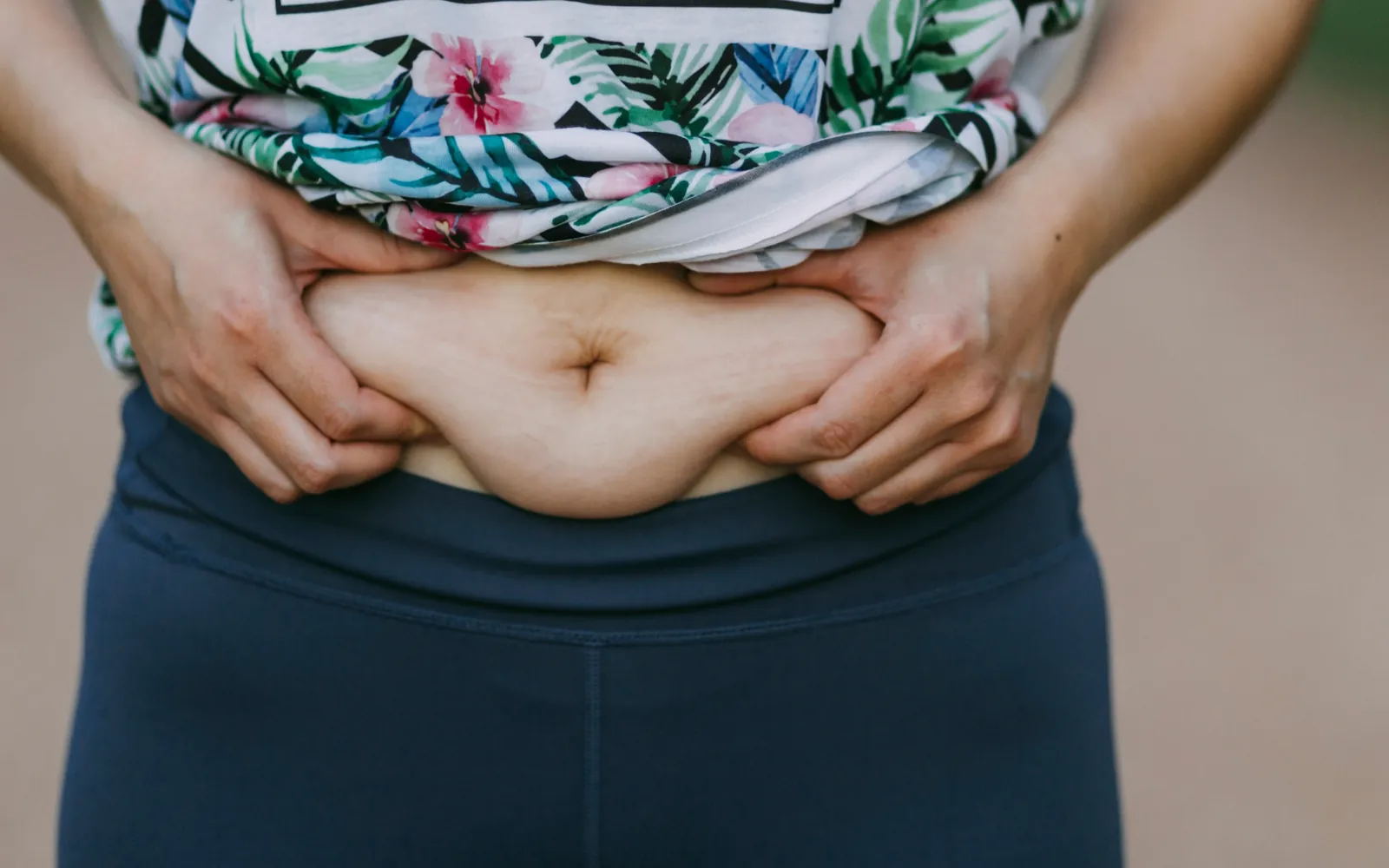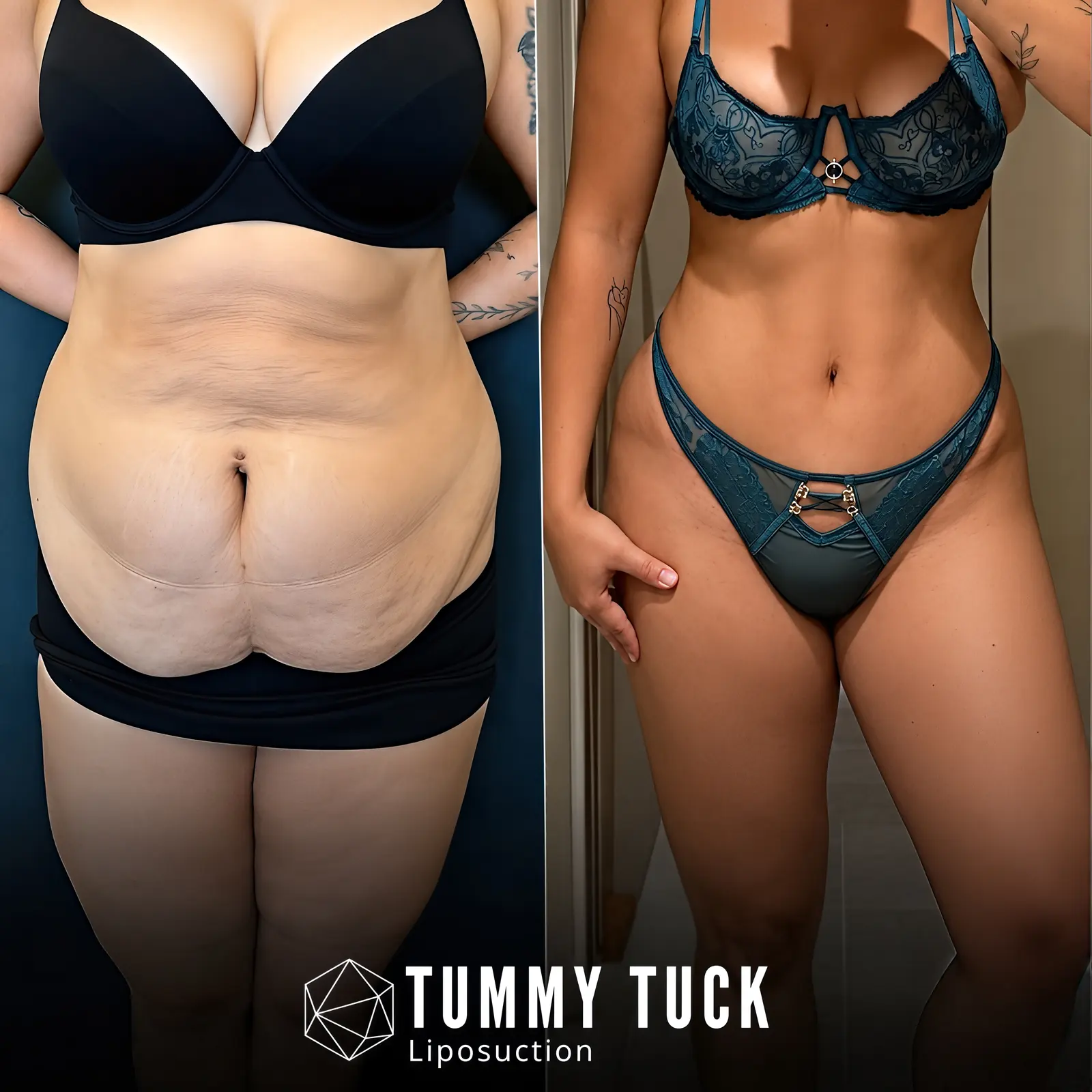
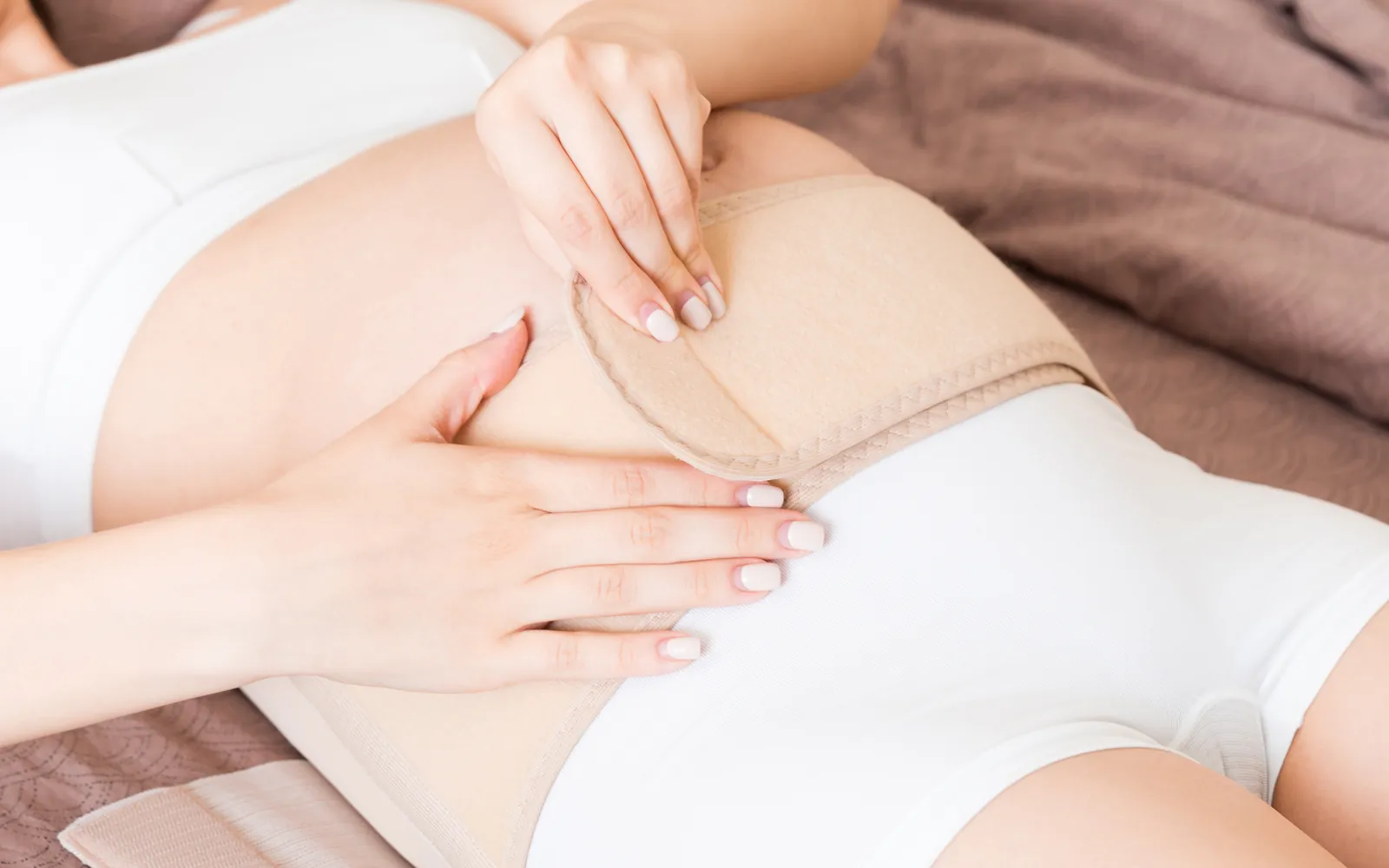
A tummy tuck (abdominoplasty) removes loose skin and fat from the lower abdomen and repairs separated abdominal muscles. Because the muscles are stitched together, recovery takes longer than after liposuction alone, but it follows a predictable pattern. Knowing that pattern makes the weeks after surgery much easier to plan.
Days 1–3: in hospital and the first steps
You wake up wearing a compression garment, usually with one or two small drains that remove excess fluid. The abdomen feels tight rather than sharply painful, and pain is controlled with medication.
- You are helped to walk on the first day. Short, frequent walks are the most important thing you can do to prevent blood clots.
- You walk and sleep slightly bent at the hips, which takes tension off the incision.
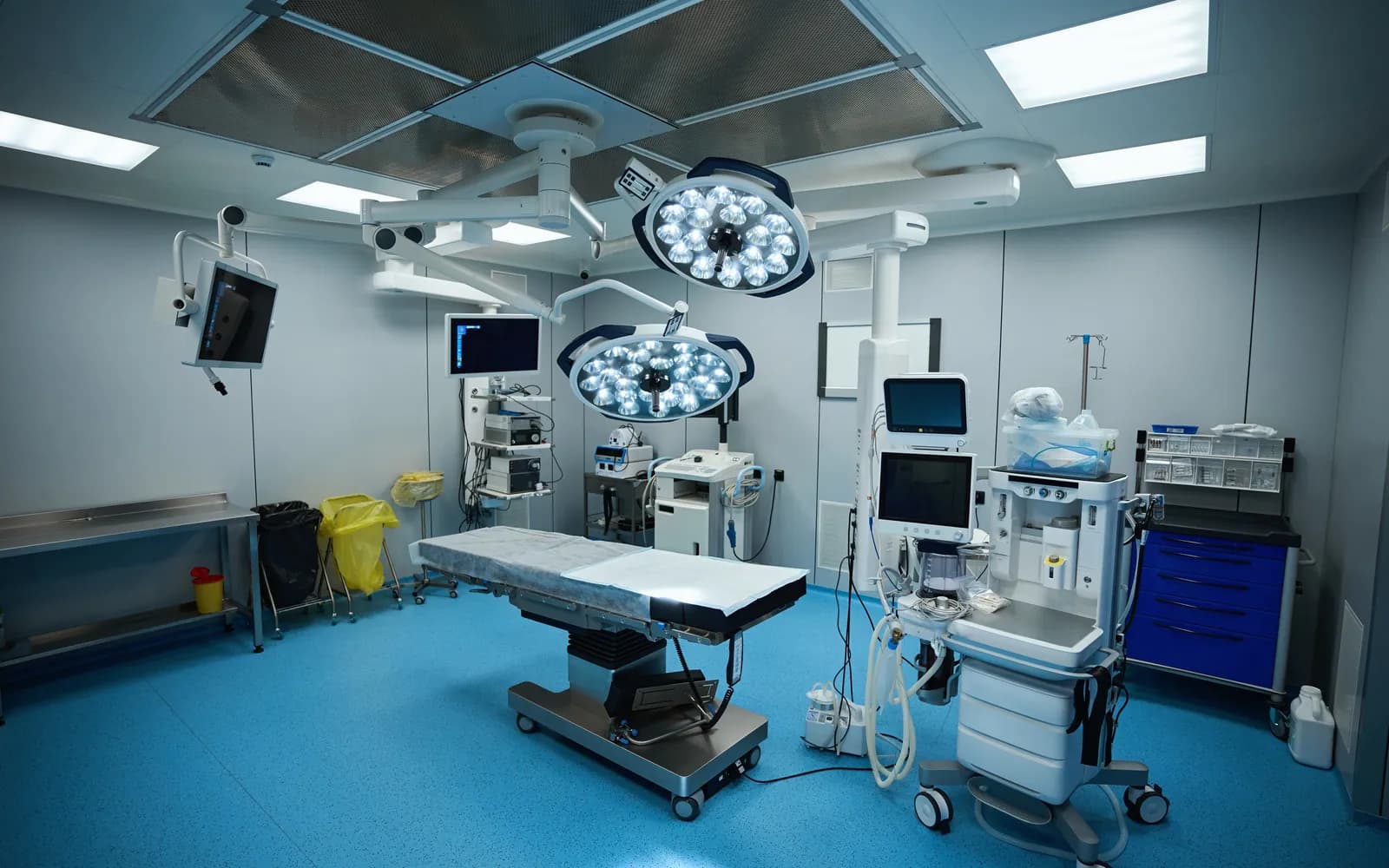
- At MAYCLINIK you stay 2 nights in hospital before moving to your hotel, where a nurse visits you.
Week 1: rest and gentle walks
Swelling and tightness peak around days 3–5 and then start to ease. Getting in and out of bed is the most uncomfortable part, so use your arms and roll onto your side. Drains are usually removed within the first week, once the fluid output is low.
- Keep walking several times a day, a little further each time.
- Sleep with your upper body raised and a pillow under your knees.
- Eat light, high-protein meals and drink plenty of water; pain medication can cause constipation.
- If you travelled for surgery, your surgeon checks the wound before clearing you to fly. We plan at least 7 days in Istanbul.
Weeks 2–3: standing straighter, back to light activity
You stand a little straighter every day. Many patients return to desk-based work after 2–3 weeks and resume light daily activities like short walks, cooking and driving once they can brake hard without pain and no longer need strong pain medication.
Numbness of the lower abdomen is normal at this stage. It comes from small skin nerves cut during surgery and usually improves gradually over months.
Weeks 4–6: building strength
Swelling continues to go down, and you feel more like yourself. You keep wearing the compression garment for about 6 weeks in total. Avoid lifting anything heavy (including small children) and any exercise that strains the abdomen until your surgeon clears you.
After 6 weeks: exercise and the final shape
Most people can gradually return to the gym, running and core exercises after about 6 weeks, starting gently. Residual swelling, especially low on the abdomen, can take 3–6 months to settle completely. This is when the final contour becomes visible.
| When | Typical milestone |
|---|---|
| Day 1 | First short walks |
| Days 1–2 | Hospital stay |
| Week 1 | Drains removed, surgeon check |
| Weeks 2–3 | Desk work, light activity, driving |
| About 6 weeks | Compression garment off, exercise and lifting |
| 3–6 months | Swelling settled, final shape |
| 12–18 months | Scar matured |
Caring for your scar
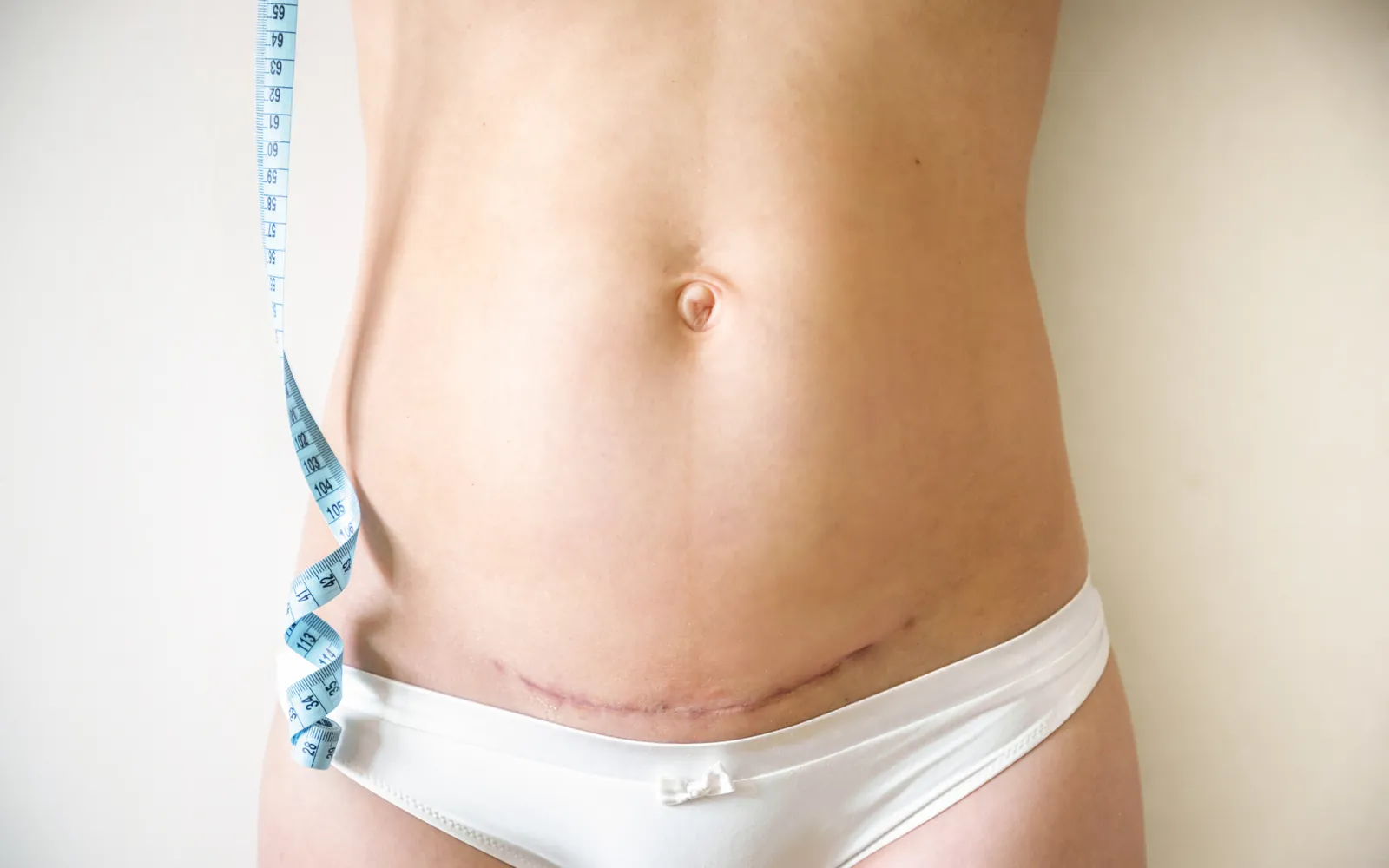
A full tummy tuck leaves a hip-to-hip scar placed low enough to be hidden by most underwear, plus a small scar around the belly button. It looks red and raised for the first months, then flattens and fades over 12–18 months.
- Start silicone gel or sheets once the wound has fully closed.
- Protect the scar from the sun for at least a year.
- Do not smoke or use nicotine: it slows wound healing.
When to contact your surgeon
Call your surgeon or coordinator straight away if you notice any of the following. Seek emergency care for chest pain or sudden breathlessness:
- A swollen, painful or warm calf (possible blood clot)
- Shortness of breath or chest pain
- Fever, spreading redness or a wound that smells or oozes
- A sudden increase in swelling on one side
Frequently asked questions
Most people return to desk work after 2–3 weeks and to exercise after about 6 weeks. Swelling settles over 3–6 months, and the scar matures over 12–18 months.
Usually about 6 weeks, day and night at first. Your surgeon tells you when you can reduce it.
Most patients sleep on their back with the upper body raised for the first 1–2 weeks, then gradually turn onto their side once it feels comfortable.