Waking up with a thin tube coming out of your skin can be unsettling, but surgical drains are a routine part of many plastic surgery operations, especially a tummy tuck, mommy makeover, thigh lift or breast reduction. They are usually in place only for a few days. This guide explains what they do and how to look after them.
What surgical drains do
During body contouring, the skin is lifted from the tissue underneath. This leaves a space where blood and tissue fluid can collect in the first days. If the fluid builds up, it can form a seroma (a pocket of fluid) or a haematoma (a collection of blood), which can delay healing and increase the risk of infection.
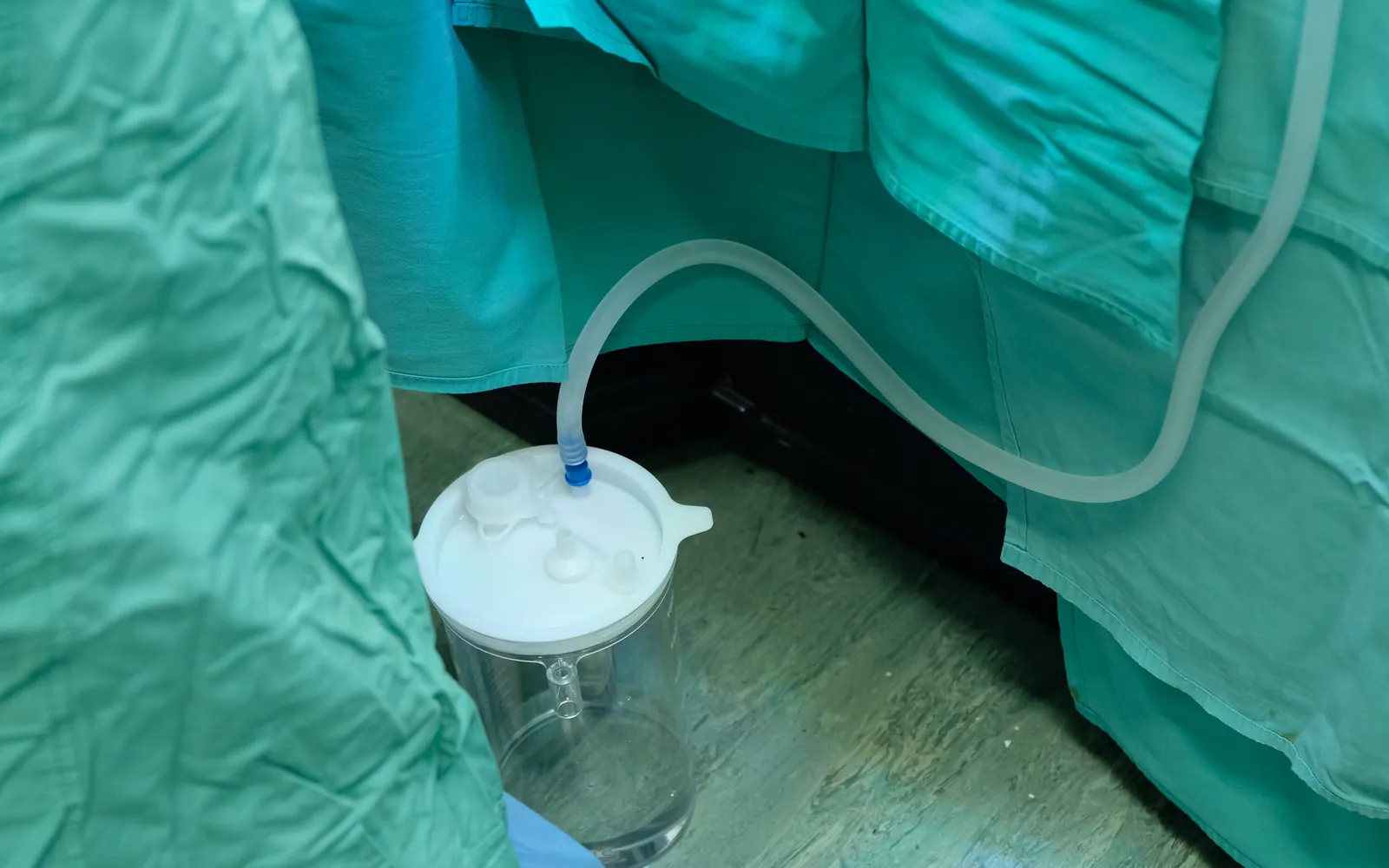
A drain is a soft, thin tube placed under the skin at the end of the operation. It leaves the body through a tiny opening, usually near the end of the scar, and is connected to a small collection bulb or bottle. The gentle suction of the bulb draws fluid out and helps the skin settle back onto the tissue below.
Not every operation needs drains. Some surgeons use special stitching techniques that reduce the need for them. Your surgeon decides whether you need drains based on the procedure and your situation.
How to empty a drain
Your nurse will show you how to do this before you leave hospital. The usual steps:
- 1Wash your hands thoroughly with soap and water, and dry them.
- 2Unpin the bulb from your garment, taking care not to pull on the tube.
- 3Open the stopper and pour the fluid into a measuring cup. Do not touch the inside of the stopper.
- 4Squeeze the bulb flat to restore suction and, while still squeezing, close the stopper.
- 5Check that the bulb stays compressed. If it fills with air straight away, suction may be lost.
- 6Note the amount and colour of the fluid, then flush it away and rinse the cup.
- 7Pin the bulb back to your garment below the level of the wound, and wash your hands again.
Empty the bulb when it is about half full, or at the times your nurse recommends, often two or three times a day. If you have been shown how to “strip” the tubing to move clots along, do it gently and only as instructed.
Recording the output
Your surgeon uses the amount of fluid to decide when the drain can come out, so a simple record is important. If you have more than one drain, record each one separately.
| Date and time | Drain | Amount (ml) | Colour |
|---|---|---|---|
| Day 3, 08:00 | Left | 40 | Pink |
| Day 3, 08:00 | Right | 35 | Pink |
| Day 3, 20:00 | Left | 25 | Light pink |
| Day 3, 20:00 | Right | 20 | Pale yellow |
In the first day or two the fluid is often dark red. It usually turns pink and then a clear, pale yellow (straw colour) as healing continues, and the amount goes down day by day.
Keeping the drain site clean
- Always wash your hands before and after touching the drain or dressing.
- Keep the dressing over the exit site clean and dry. Change it only if you have been told to.
- Ask your surgeon when you may shower. Many allow a short shower after the first days with the bulb secured to a lanyard or belt; baths and swimming wait until the drains are out and the wounds have healed.
- Do not apply creams or powders around the exit site unless advised.
- A small amount of clear or pink fluid leaking around the tube can be normal. Tell your nurse if the dressing becomes soaked.
Living with drains
- Pin the bulbs securely to your compression garment so they do not hang or swing.
- Wear loose clothes with room for the bulbs, such as a front-opening top or a robe with pockets.
- Take care when getting in and out of bed and the car, so the tube is not caught.
- Keep walking as advised: drains are no reason to stay in bed.
- Mild discomfort at the exit site is normal; increasing pain is not.
When do drains come out?
Drains are removed once the output has dropped to a low level, often when it stays below about 20–30 ml in 24 hours, although each surgeon uses their own threshold. After a tummy tuck, this is usually within the first week. Your surgeon checks your drains and wound before clearing you to fly home.
Removal takes only a few seconds. The stitch holding the tube is cut and the tube is gently drawn out. Most people feel a brief, strange pulling sensation rather than pain. A small dressing covers the opening, which usually closes within a day or two. For a while afterwards, wearing your compression garment as instructed helps to prevent fluid from building up again.
Warning signs: when to call your surgeon
Contact your surgeon, nurse or coordinator straight away if you notice:
- Fever of 38 °C or above, or chills
- Redness, warmth or swelling spreading around the exit site
- Cloudy, thick or bad-smelling fluid
- A sudden increase in bright red fluid, or the bulb filling with blood quickly
- The bulb no longer holding suction, or the tube blocked with clots
- The tube falling out or becoming dislodged
- New swelling or a feeling of fluid under the skin after the drain has been removed
Seek emergency care for chest pain, sudden shortness of breath or a swollen, painful calf, which can be signs of a blood clot.
Our tummy tuck page explains the whole stay in Istanbul, from 2 nights in hospital to hotel nurse visits and your final check before flying home on day 9, if you would like to know how drains and aftercare are handled from start to finish.
Frequently asked questions
Usually a few days, and in most cases within the first week, once the fluid output has dropped. Your surgeon decides based on your daily record.
Most people feel a brief pulling sensation for a few seconds rather than pain. A small dressing covers the opening afterwards.
Dark red in the first day or two, then pink and finally clear pale yellow. A sudden change back to bright red, or cloudy fluid, should be reported.
Many surgeons allow a short shower after the first days with the bulbs secured, but ask first. Baths and swimming wait until the drains are out and the wounds have healed.
A small seroma can form. It often settles on its own or is drained with a fine needle at a follow-up visit. Tell your surgeon about any new swelling.