Diastasis recti is a separation of the two vertical tummy muscles (the rectus abdominis, sometimes called the six-pack muscles) along the middle of the abdomen. It happens because the growing womb stretches the connective tissue between them. Most women have some degree of separation by the end of pregnancy, and for many the gap narrows in the first months after birth. When it does not, it can leave a bulge that diet and exercise do not flatten.
What is diastasis recti?
The two rectus muscles are joined in the middle by a band of connective tissue called the linea alba. In pregnancy this band stretches and thins. After birth the muscles gradually move back together, but sometimes the tissue stays stretched and a gap remains.
Signs include a ridge or dome along the middle of the tummy when you sit up or strain, a lower belly that looks rounded even at a healthy weight, and a feeling that your core is weak. Some women also have lower back discomfort, although the link is not fully clear. A small umbilical hernia, a bulge at the belly button, can occur alongside it.
How to check for a gap
- 1Lie on your back with your knees bent and your feet flat on the floor.
- 2Place your fingertips across the middle of your tummy, just above the belly button.
- 3Lift your head and shoulders slightly off the floor, as if starting a small sit-up.
- 4Feel for a gap between the muscle edges: note how many fingers fit into it and how deep it feels. Repeat below the belly button.
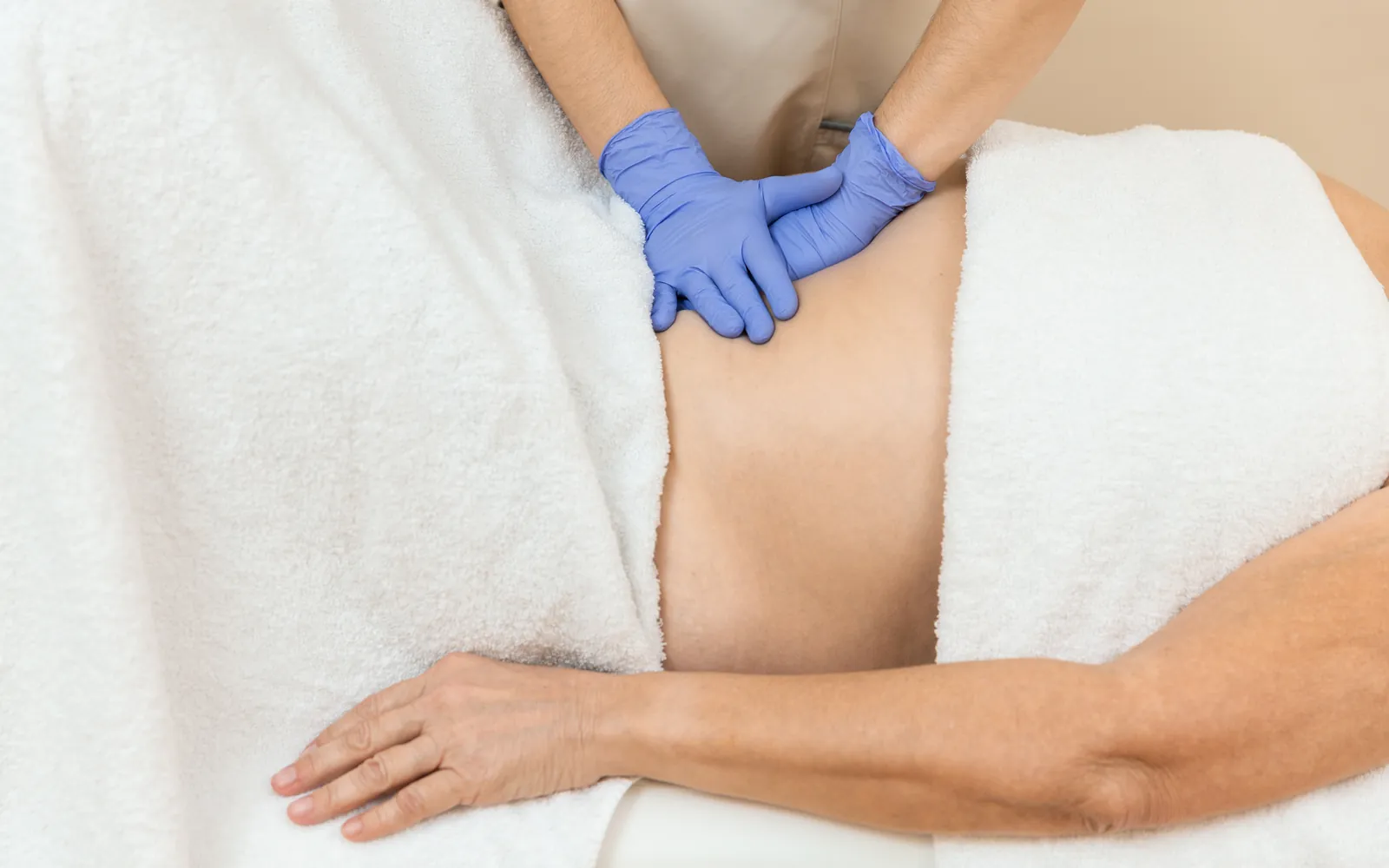
A home check is only a guide. A physiotherapist or doctor can measure the gap and assess how firm the tissue in the middle feels, which matters as much as its width.
Exercise and physiotherapy come first
For most women, the first treatment is a programme of exercises, ideally guided by a pelvic health physiotherapist. The focus is on the deep core muscle (transversus abdominis) and the pelvic floor, working together with your breathing.
- Start gentle pelvic floor and deep tummy exercises after birth, as your midwife or physiotherapist advises.
- Roll onto your side to get out of bed instead of sitting straight up.
- In the early weeks, avoid heavy lifting and exercises that make your tummy dome, such as full sit-ups, until you have been assessed.
- Build up gradually; many women see improvement over the first 6–12 months.
- Keep a healthy weight and avoid constipation and straining.
Exercise improves how your core works and often reduces the gap, but it cannot remove stretched skin, and a wide or long-standing separation may not close fully.
Getting the right support
Ask your GP about a referral to a pelvic health physiotherapist if the gap is causing symptoms or is not improving. They can also check your pelvic floor, which pregnancy and birth often affect as well. Once you have been assessed, postnatal exercise classes led by a qualified instructor can be a good next step.
Diastasis recti on its own is not dangerous. Whether to have surgery for it is your decision, made together with your surgeon, based on how much it affects your comfort, your daily life and how you feel about your body.
When surgery may help
Surgery is worth discussing with a plastic surgeon if:
- A noticeable gap and bulge remain 12 months or more after birth, despite a consistent exercise programme
- You also have loose skin or a lower belly pouch
- You have finished having children
- You stopped breastfeeding at least 6 months ago and your weight has been stable for 6–12 months
- There is an umbilical hernia that also needs repair
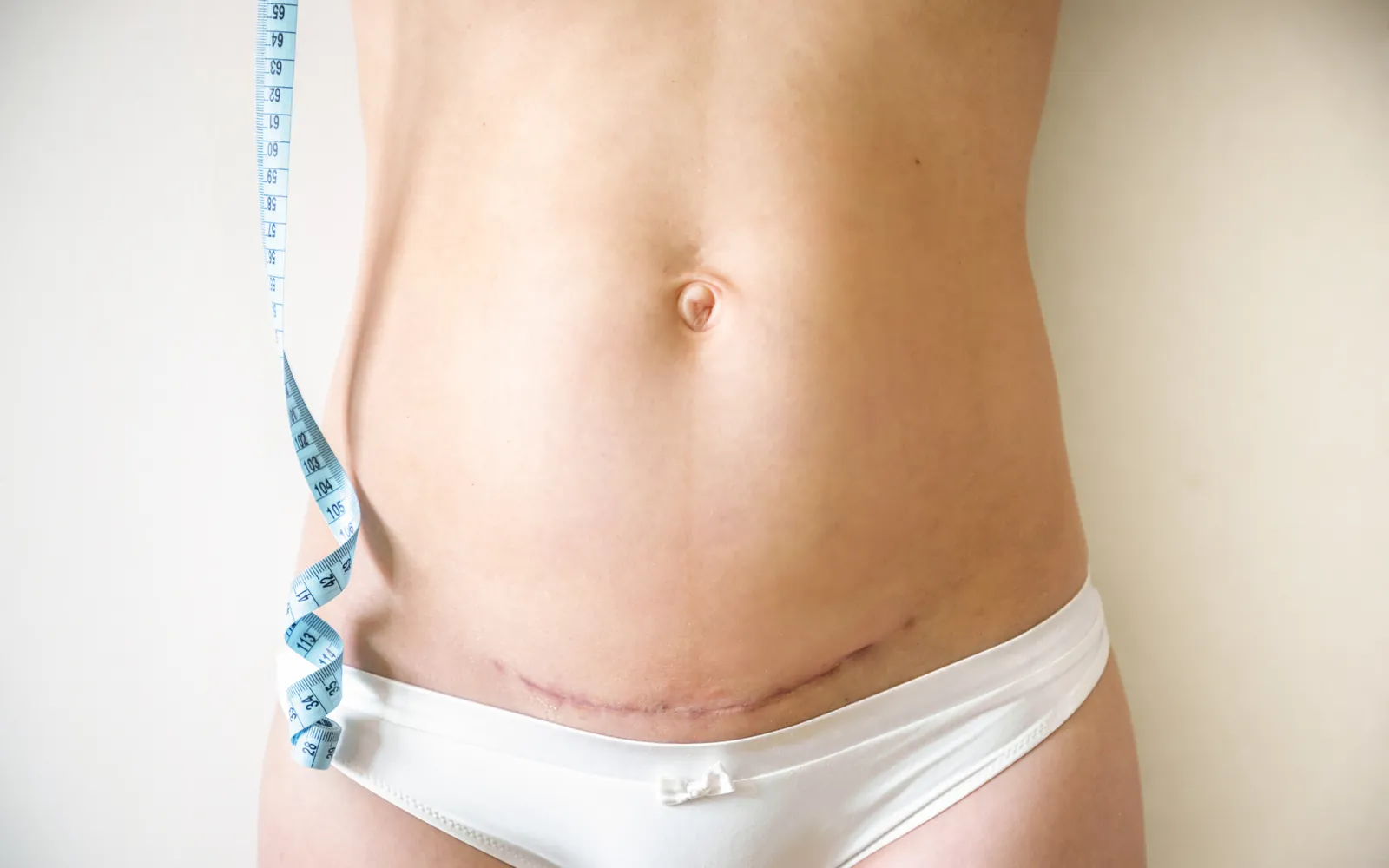
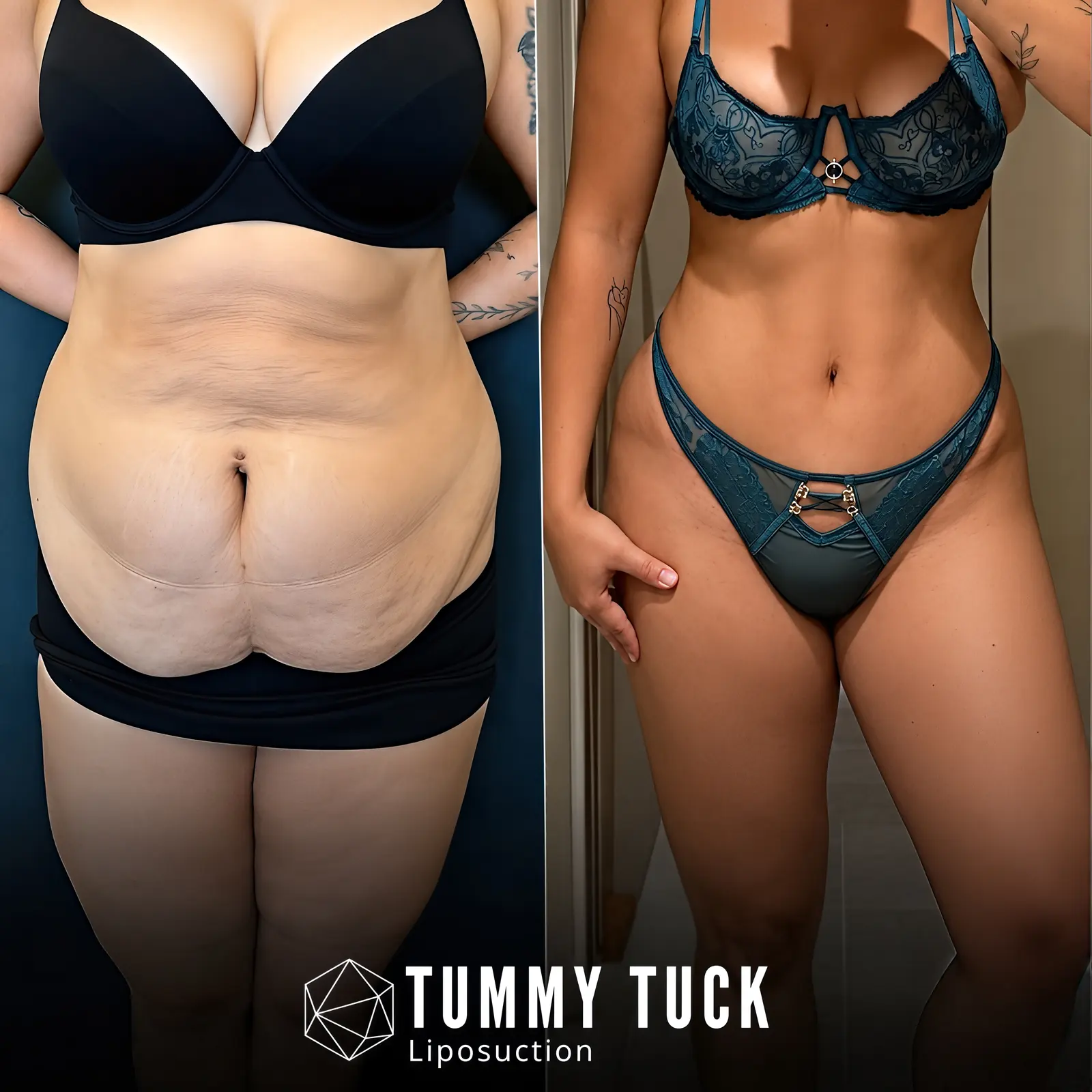
The surgical repair is called plication. Through the tummy tuck incision, the surgeon stitches the edges of the separated muscles back together along the midline, creating a firmer abdominal wall. At the same time, loose skin and fat below the belly button are removed and the belly button is repositioned. A small hernia can usually be repaired through the same incision.
Recovery is that of a tummy tuck: 2 nights in hospital, 8 nights in Istanbul in total, desk work after 2–3 weeks and exercise after about 6 weeks. Because the muscles have been stitched, you avoid heavy lifting, including lifting small children, for about 6 weeks, so plan help at home.
What about future pregnancies?
A later pregnancy can stretch the repaired muscles and the skin again and undo part of the result. If you plan more children, it is usually wiser to continue with physiotherapy and consider surgery once your family is complete. Your surgeon will explain what to expect in your case.
When to see a doctor promptly
See a doctor promptly if you have a painful bulge at the belly button or along the middle of your tummy, a bulge that becomes hard or cannot be pushed back in, or tummy pain together with nausea or vomiting. These can be signs of a hernia that needs urgent attention.
Our Tummy Tuck page explains how muscle repair is included in a full tummy tuck, who is a good candidate and how recovery is planned. If you are unsure whether you need surgery at all, a surgeon can review your photos and history, and may advise you to continue with physiotherapy first.
Frequently asked questions
It often improves in the first months after birth, especially with the right exercises. In some women a gap remains a year or more later.
Targeted exercises guided by a physiotherapist can strengthen the core and often narrow the gap. They cannot remove loose skin, and a wide separation may not close fully.
In the early weeks, avoid heavy lifting and movements that make your tummy dome, such as full sit-ups, until a physiotherapist has assessed you. They will guide you back to harder exercises step by step.
Yes. A full tummy tuck usually includes plication, which stitches the separated muscles back together. At MAYCLINIK it is part of the procedure, not an add-on.
Surgeons usually recommend waiting at least 12 months after birth and 6 months after you stop breastfeeding, with a stable weight and a complete family. Your surgeon will advise on your timing.