Rhinoplasty recovery happens in two stages. The first two weeks are about the obvious things: the splint, bruising around the eyes and a blocked nose. After that, recovery becomes slow and quiet, as residual swelling, mostly in the tip, gradually goes down over many months. Knowing both stages helps you plan your time off and keeps your expectations realistic.
Days 1–3: blocked and swollen
You wake up with a small splint on the bridge of your nose and sometimes soft splints inside the nostrils. The nose feels blocked, so you breathe through your mouth. Most patients describe pressure rather than pain, and discomfort usually settles within 2–3 days with ordinary painkillers.
- Some oozing of blood in the first 48 hours is normal; a small gauze pad under the nose catches it.
- Swelling and bruising around the eyes build up and usually peak around day 2–3.
- Rest with your head raised and take short walks around the room or hotel.
- Drink plenty of water and use lip balm: mouth breathing dries the lips.
Day 7: the splint comes off
After about a week, your surgeon removes the outer splint and any stitches. This is the moment you first see your new profile, but the nose still looks swollen, and the tip feels stiff and numb. This is normal. With MAYCLINIK, the splint is removed and your surgeon checks your nose before you fly home, which is why we plan about 7 days in Istanbul.
Swelling timeline: up to 12 months
Swelling after rhinoplasty fades from the top of the nose downwards. The bridge settles first; the tip, where the skin is thicker, settles last.
| When | What you typically notice |
|---|---|
| Days 1–3 | Blocked nose, swelling and bruising around the eyes |
| Day 7 | Splint and stitches removed, nose still swollen |
| Weeks 2–3 | Most bruising gone, back to desk work and social life |
| About 6 weeks | Glasses and most sport again, nose looks more defined |
| 3 months | Most of the visible swelling has gone |
| 6–12 months | The tip refines and the final shape appears |
| Up to 18 months | Final refinement in people with thick skin |
Swelling also comes and goes. Many people notice the nose looks fuller in the morning, after a salty meal, in hot weather or after exercise. This day to day variation is normal in the first months.
How to reduce swelling after rhinoplasty
Swelling cannot be switched off, but you can help your body clear it and avoid making it worse:
- Keep your head raised: sleep on your back on two or three pillows for about two weeks.
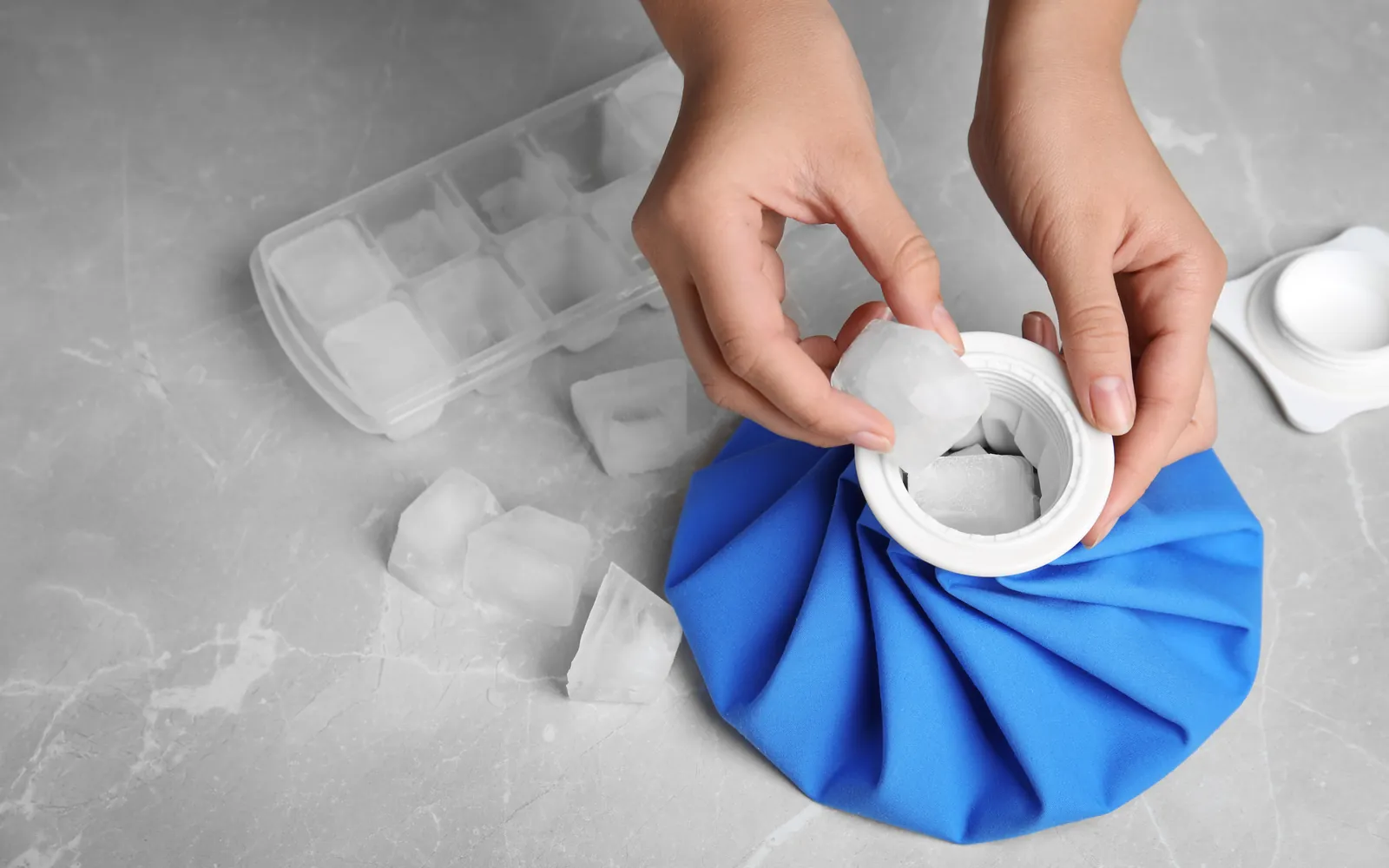
- Use cool compresses on the cheeks and around the eyes in the first 48–72 hours, never pressing on the splint or the nose.
- Avoid bending over and heavy lifting in the first weeks, as they increase pressure in the face.
- Limit salt and alcohol, both of which encourage fluid retention.
- Stay out of heat: avoid saunas, steam rooms, hot baths and strong sun on the nose.
- Don’t smoke or vape: nicotine narrows blood vessels and slows healing.
- Take only the medicines your surgeon approves. Some painkillers and supplements increase bruising.
Be wary of products that promise to remove swelling quickly. Ask your surgeon before using any cream, herbal remedy or supplement.
Glasses and contact lenses
Glasses should not rest on the bridge of the nose for about 6 weeks, because their weight can press on the healing bones. Contact lenses are usually fine once the swelling around the eyes has gone down. If you need glasses, your coordinator can show you how to tape them to your forehead so they don’t touch the nose, or your surgeon may suggest another option.
Work, sport and everyday life
- Desk work: most people return after 10–14 days, once bruising has faded.
- Walking: short walks from the first days help circulation.
- Exercise and most sport: after about 6 weeks, starting gently.
- Contact sport (football, martial arts, rugby) and anything with a risk of a blow to the face: after about 8 weeks, and only when your surgeon agrees.
- Swimming: usually after the splint is off and the wounds have healed; avoid diving and putting your face under water early on.
- Blowing your nose: not for about two weeks. Sneeze with your mouth open.
- Sun: protect the nose with a hat and high SPF for several months.
What happens if you hit your nose after rhinoplasty?
Accidental knocks are a common worry. In the first weeks, the bones and cartilage are still settling, so a firm blow can move them. Later, the nose becomes as sturdy as any other nose.
A light touch, such as brushing it with your hand, catching it on a pillow or a child’s hand bumping it gently, rarely causes harm. If you knock your nose:
- 1Stay calm and do not press on it to check the shape.
- 2Apply a cool compress to the cheeks for a few minutes if it hurts.
- 3Look for changes: a new bend or dent, fresh bleeding that does not stop, increasing pain or swelling, or a sudden blockage on one side.
- 4Contact your surgeon or coordinator, ideally with a photo, so they can tell you whether you need to be seen.
Seek urgent medical help for a heavy nosebleed that does not stop after 15–20 minutes of gentle pressure, for clear fluid running from the nose after a significant blow, or for any head injury.
When to contact your surgeon
- Bleeding that is heavy or does not settle
- Fever, increasing redness, warmth or discharge from a wound
- Severe pain that gets worse rather than better
- A painful swelling inside the nose with a complete blockage on one side
- Changes in your vision, or swelling and pain around one eye
Our rhinoplasty page describes the 7-day stay in Istanbul, what the package includes and how aftercare continues once you are home, if you would like to read more before planning your own recovery.
Frequently asked questions
Most visible swelling settles within about 3 months, but the tip keeps refining for around 12 months, and up to 18 months in people with thick skin.
Usually after about 6 weeks. Until then, contact lenses or glasses taped to the forehead avoid pressure on the bridge.
Gentle walking is encouraged early. Most exercise and sport can restart after about 6 weeks, and contact sport after about 8 weeks, once your surgeon agrees.
A light touch rarely causes harm. After a firmer knock, look for a new bend, bleeding that does not stop or increasing pain, and contact your surgeon with a photo.
With MAYCLINIK you fly home after about 7 days, once the splint has been removed and your surgeon has checked your nose.