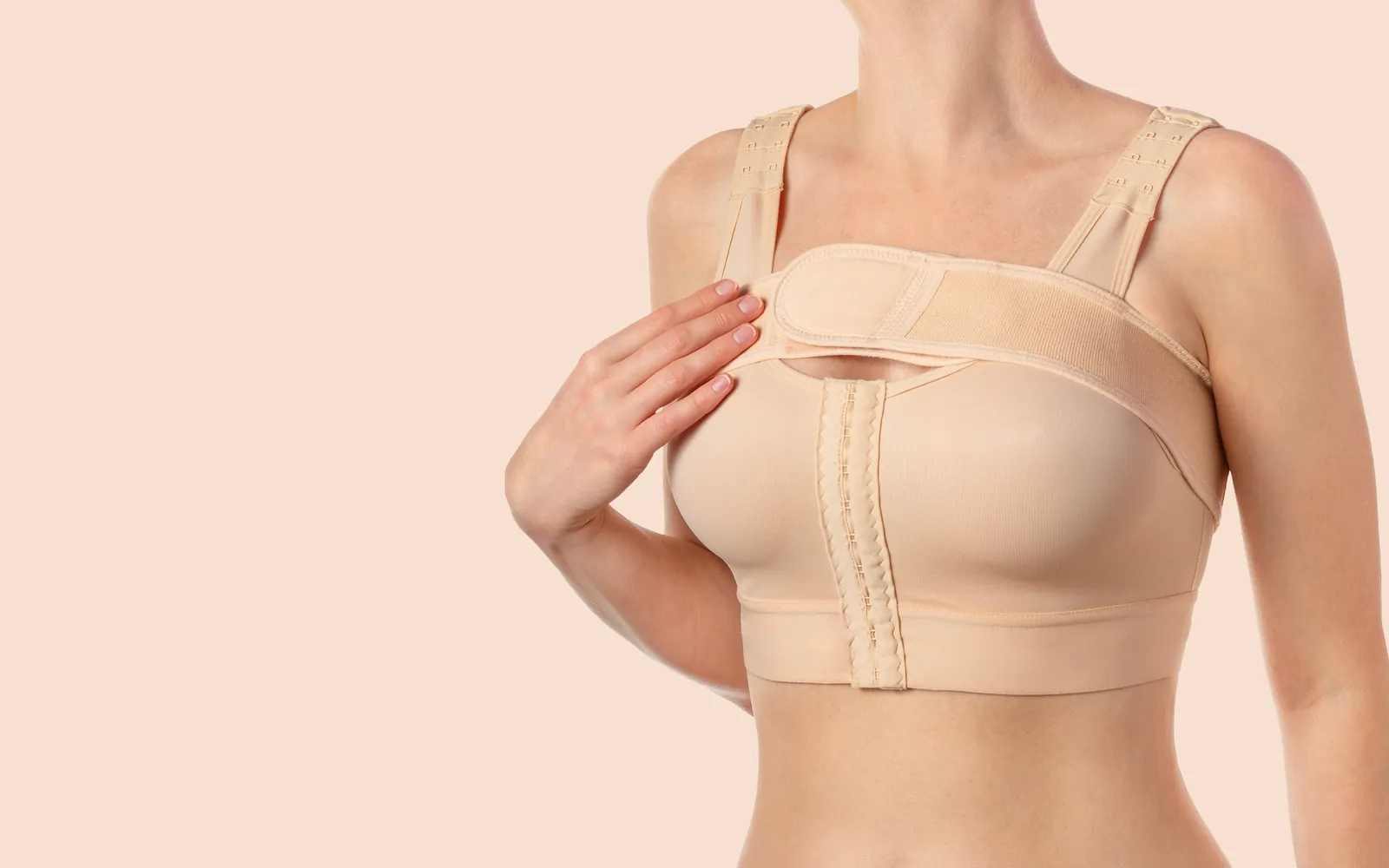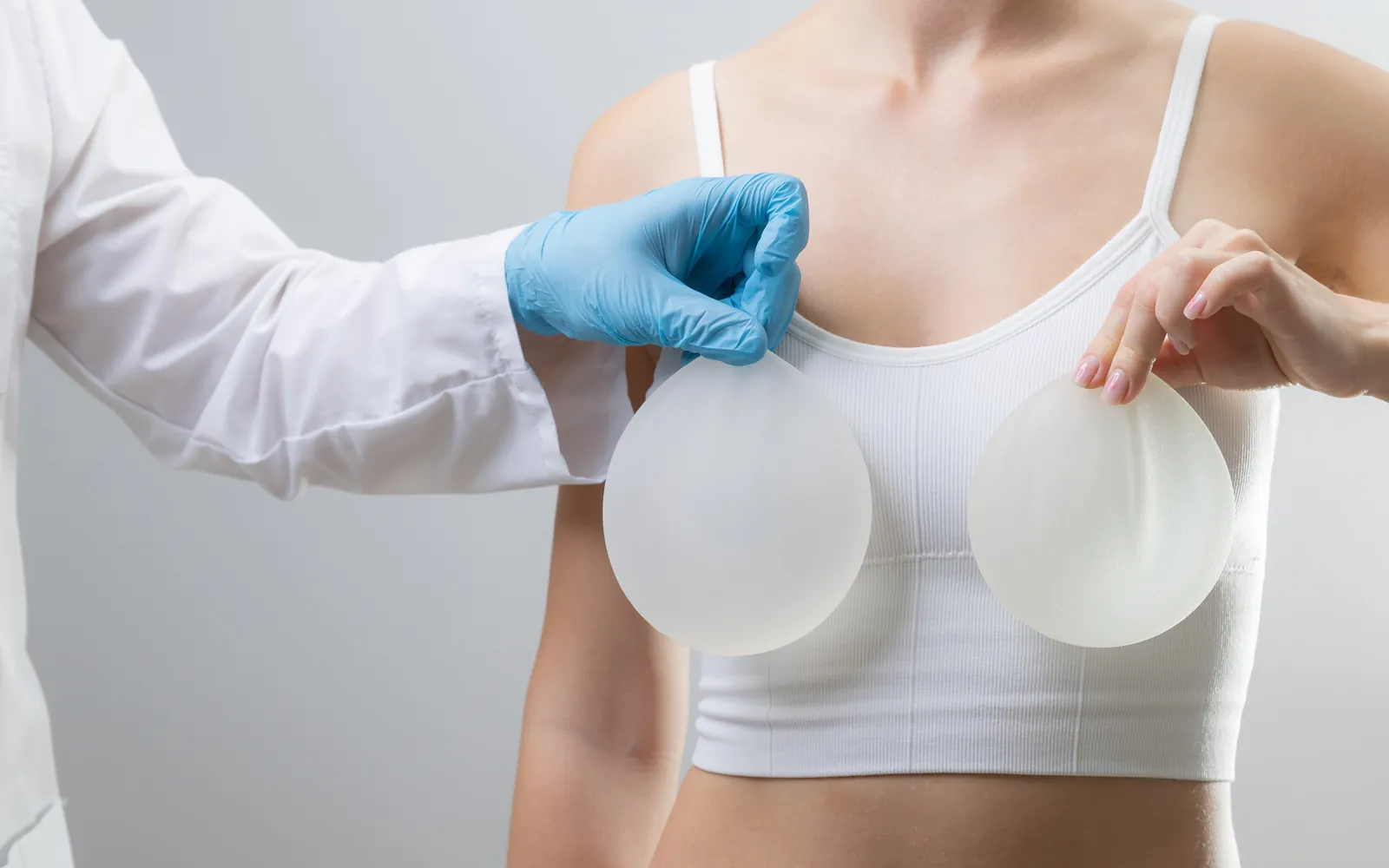
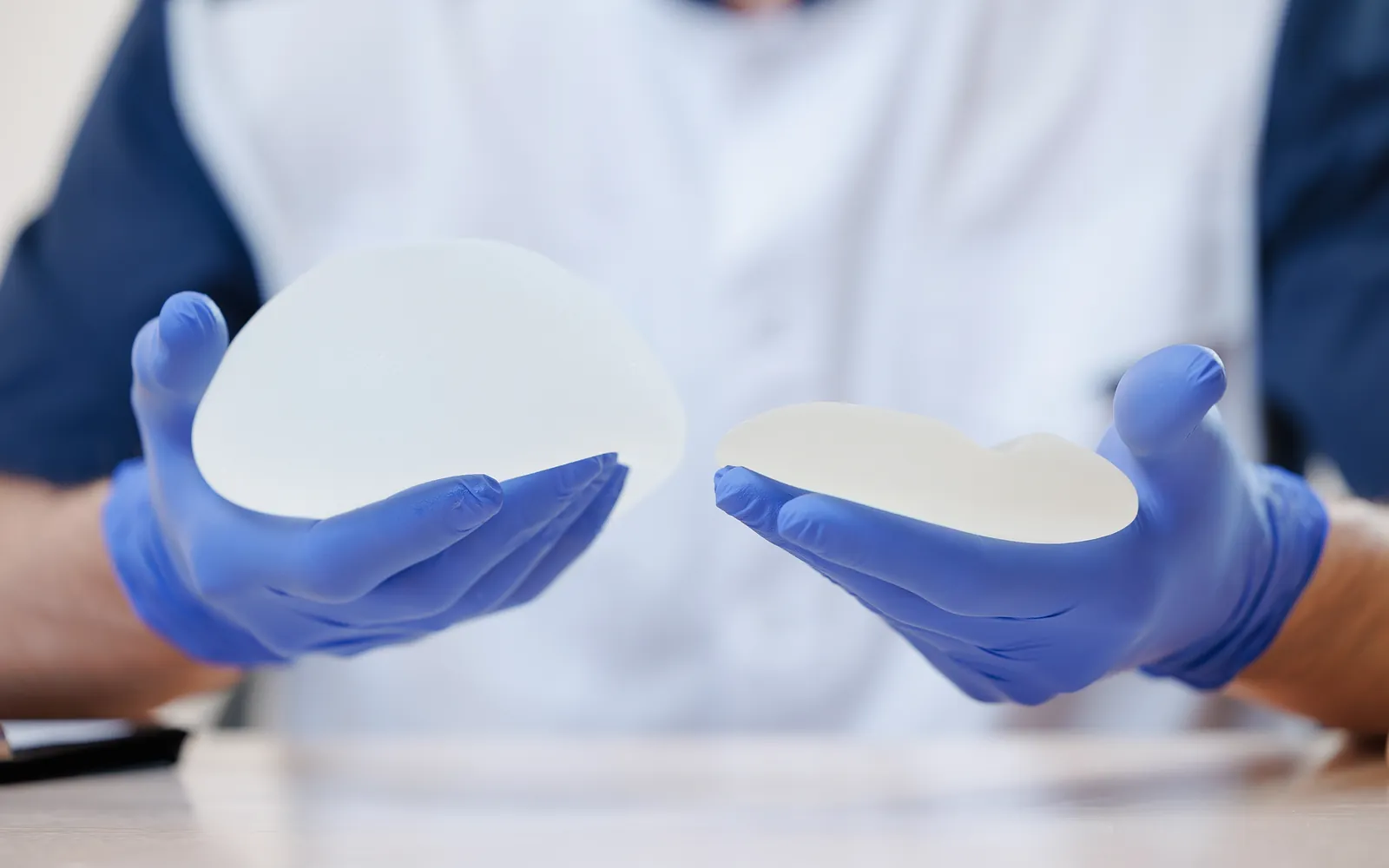
There is no date on which breast implants have to come out. Many women keep the same implants for 10–15 years or longer without any problem, and some never need another operation. But implants are not designed to last a lifetime, and the chance of needing further surgery increases the longer you have them. Knowing the reasons for replacement and the check-ups you need helps you plan.
Why implants do not have an expiry date
Modern silicone implants have a strong outer shell and a cohesive gel that holds together. They are durable, but like any medical device they age: the shell can weaken over many years, and the body continues to react to the implant. That is why regulators such as the US Food and Drug Administration describe breast implants as devices that are not expected to last a lifetime.
Common reasons for replacement or removal
| Reason | What you may notice |
|---|---|
| Capsular contracture | The breast becomes firmer, rounder, higher or painful |
| Rupture | Often nothing with silicone (silent rupture); sometimes a change in shape, lumps or tenderness |
| Change in position | The implant drops too low, moves sideways or the breast sags over it |
| Wish for a different size | You want larger or smaller breasts, or no implants at all |
| Body changes | Pregnancy, breastfeeding, weight change and ageing change the breast around the implant |
| Rippling | Visible or palpable folds, usually where tissue cover is thin |
Very rarely, implants are removed because of a lymphoma linked mainly to textured implants (BIA-ALCL), or because of a manufacturer’s safety notice. Some women also report a range of symptoms, such as tiredness or joint pain, that they link to their implants; if you have concerns, talk to your surgeon and your own doctor.
Rupture: silicone vs saline
When a saline implant ruptures, the salt water is absorbed by the body and the breast deflates within days, so you notice it quickly.
When a silicone gel implant ruptures, the gel usually stays within the capsule around the implant, so there may be no symptoms at all. This is called a silent rupture. It is not an emergency, but a ruptured implant is usually removed or replaced, which is why imaging is recommended even when you feel well.
Check-ups that keep you informed
- Get to know your breasts. Check them regularly and report any lump, change in shape, firmness or swelling.
- See your surgeon or doctor for a review if something changes, and from time to time even if nothing does.
- Imaging for silicone implants. The FDA recommends an ultrasound or MRI scan from 5–6 years after surgery and then every 2–3 years, even without symptoms. Your surgeon or doctor will advise what is appropriate for you.
- Breast screening. Keep attending routine screening for your age, and tell the staff that you have implants so they can adapt the technique.
- Keep your implant card. It lists the type, size and serial numbers of your implants, which any future surgeon will need.
If you had surgery abroad, keep copies of your operation notes and implant details at home, and register with your own doctor so that any follow-up can happen near you. This makes a future review or scan much simpler.
Pregnancy, breastfeeding and weight change
Implants themselves do not change with pregnancy, but your breasts do. During pregnancy and breastfeeding the breast tissue grows, and afterwards it can shrink and sag, so the breast may sit lower over the implant than before. Large changes in weight have a similar effect. Ageing also gradually stretches the skin.
None of this damages the implant, but it can change how your breasts look. Some women then choose a breast lift, sometimes with a new implant, to restore the shape. If you are planning children, it is worth telling your surgeon before your first operation.
What can help your implants last
Some factors are outside your control, but a few choices make a difference: an implant size that suits your frame and tissue, good tissue cover over the implant, careful surgical technique, avoiding nicotine around surgery, a stable weight and good support during exercise. Choosing the implant and the placement with your surgeon is the first step.
What replacement involves
Revision surgery is planned around the reason for it. It may involve exchanging the implants, removing or releasing a tight capsule, changing the pocket, adding a breast lift, or removing the implants without replacement. Recovery is often similar to the first operation, although it can take longer when a lift or a full capsule removal is needed. Your surgeon will advise based on your examination and scans. Unless there is a problem that needs prompt attention, such as a painful contracture or an infection, revision surgery can usually be planned at a time that suits you.
When to see a doctor
Book a review if a breast becomes firmer, changes shape, develops a lump or starts to hurt. See a doctor promptly for any sudden swelling of one breast, especially more than a year after surgery, and urgently for a red, hot, painful breast with fever.
Our breast augmentation page explains the implants and placement options we use, the implant card you receive and how aftercare continues once you are back home.
Frequently asked questions
No. There is no fixed schedule. Implants are replaced when there is a problem, such as rupture or capsular contracture, or when you want a change.
Many last 10–15 years or more, and some women never need another operation. They are not lifetime devices, though, so check-ups are important.
Often you cannot tell, because the gel usually stays inside the capsule. Ultrasound or MRI scans detect a silent rupture.
Yes. Tell the staff that you have implants so they can use special views. Screening remains important.
Yes. Some women choose removal, sometimes combined with a breast lift to reshape the breast. Your surgeon will explain what result to expect.