Capsular contracture is one of the most common reasons for further surgery after breast augmentation. It happens when the natural layer of scar tissue around an implant becomes thick and tight, squeezing the implant. The breast can then feel hard, look rounder or higher than the other side, and in more advanced cases become painful. It can be treated, and understanding the risk factors helps you and your surgeon lower the chance of it happening.
What is capsular contracture?
In the weeks after surgery, your body forms a capsule of collagen around the implant. In most women it stays thin and soft for many years. In some, the capsule thickens and contracts, and the implant is squeezed into a smaller, rounder space. It can affect one breast or both, and while it is more common in the first year or two after surgery, it can develop at any time.
How often it happens varies between studies and depends on the type of surgery. After a first cosmetic augmentation it affects a minority of women, and the risk is higher after revision surgery or radiotherapy to the breast.
The Baker grades
Surgeons describe capsular contracture with the Baker scale, which is based on how the breast feels and looks:
| Grade | How the breast feels and looks | Usual approach |
|---|---|---|
| Baker I | Soft and natural; the implant cannot be felt as firm | Normal, no treatment |
| Baker II | A little firm to the touch, but looks normal | Usually observation |
| Baker III | Firm, and the shape has visibly changed (rounder, higher) | Surgery is often recommended |
| Baker IV | Hard, painful, cold to the touch and clearly distorted | Surgery is usually recommended |
Signs to look out for
- The breast feels firmer or harder than before, or than the other side
- The implant looks rounder or sits higher on the chest
- Visible rippling or a change in outline
- Tightness, discomfort or pain, especially when lying on that side or exercising
- A difference between the two breasts that develops over time
In the first weeks after surgery, both breasts feel firm and the implants sit high. That is normal healing, not capsular contracture. Firmness that develops or increases after the breasts had already softened is more significant.
What increases the risk
The exact cause is not fully understood, and it can happen without any obvious reason. Factors linked to a higher risk include:
- Low-grade bacterial contamination of the implant, which can form a thin film on its surface (biofilm)
- A collection of blood (haematoma) or fluid (seroma) around the implant after surgery
- Radiotherapy to the breast
- Implant placement above the muscle, which in many studies has a higher rate than placement under the muscle
- Previous capsular contracture or revision surgery
- Implant rupture
- Smoking, which impairs healing
How the risk is reduced
Surgeons use several measures to keep the risk low: careful control of bleeding, antibiotics around the time of surgery, washing the implant pocket with antibiotic solution, handling the implant as little as possible, and an incision in the fold under the breast rather than around the nipple. Your surgeon will choose the placement that suits your tissue.
You can help too:
- Stop smoking and vaping for at least 4 weeks before and after surgery.
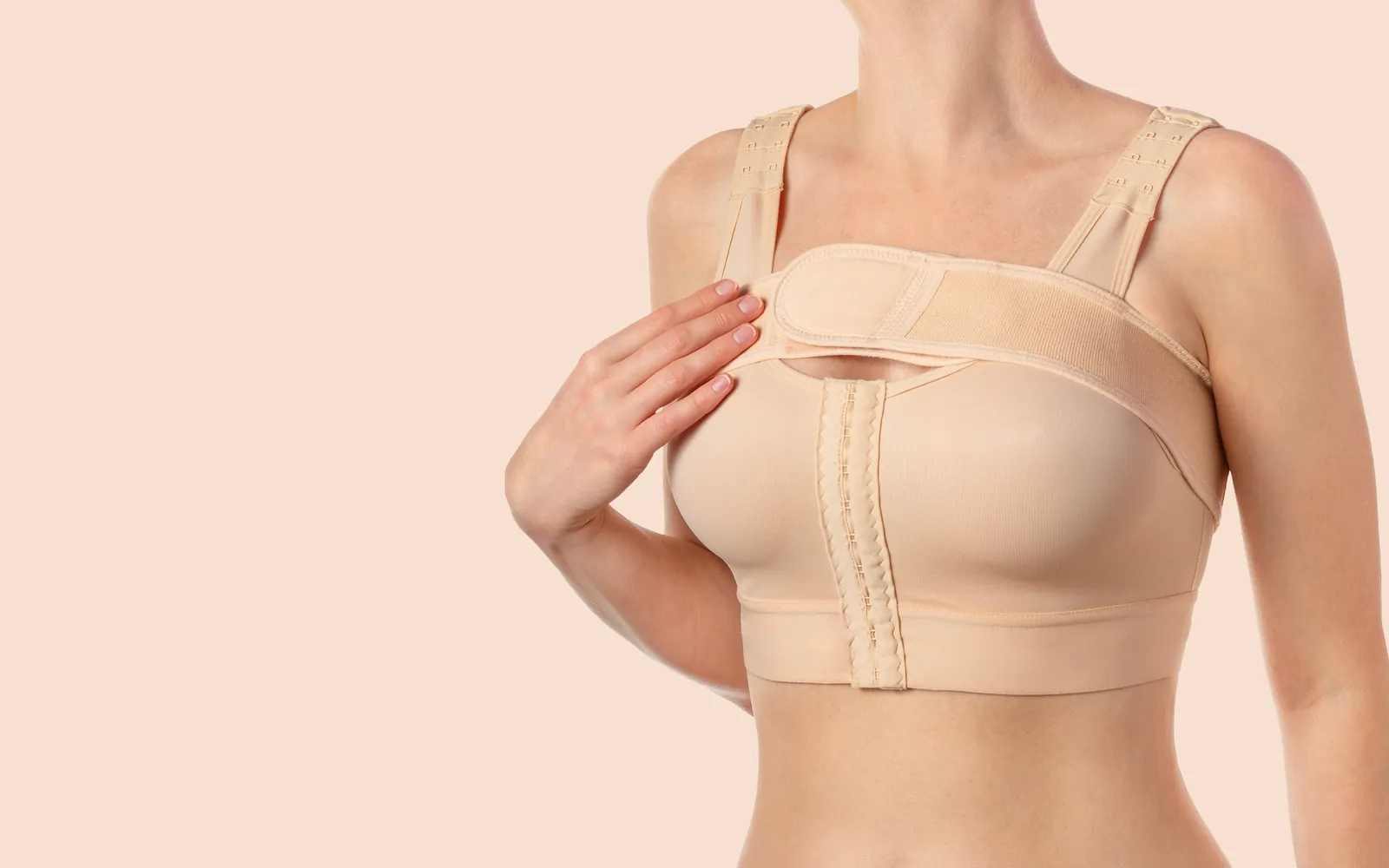
- Follow the instructions on your support bra and activity, so bleeding and fluid collections are less likely.
- Report any sudden swelling of one breast straight away.
- Tell your dentist and doctors that you have implants; your surgeon will advise whether antibiotics are needed before certain procedures.
How capsular contracture is treated
Grades I and II usually need no treatment, only regular check-ups. Some medicines have been tried for early contracture, but the evidence is limited; your surgeon will advise if anything is suitable for you. For grades III and IV, surgery is the established treatment:
- Capsulotomy: the capsule is released with cuts so the implant has more space. It is a smaller operation, but contracture can come back.
- Capsulectomy: part or all of the capsule is removed. This is often recommended, especially when the capsule is thick or calcified or the implant is old.
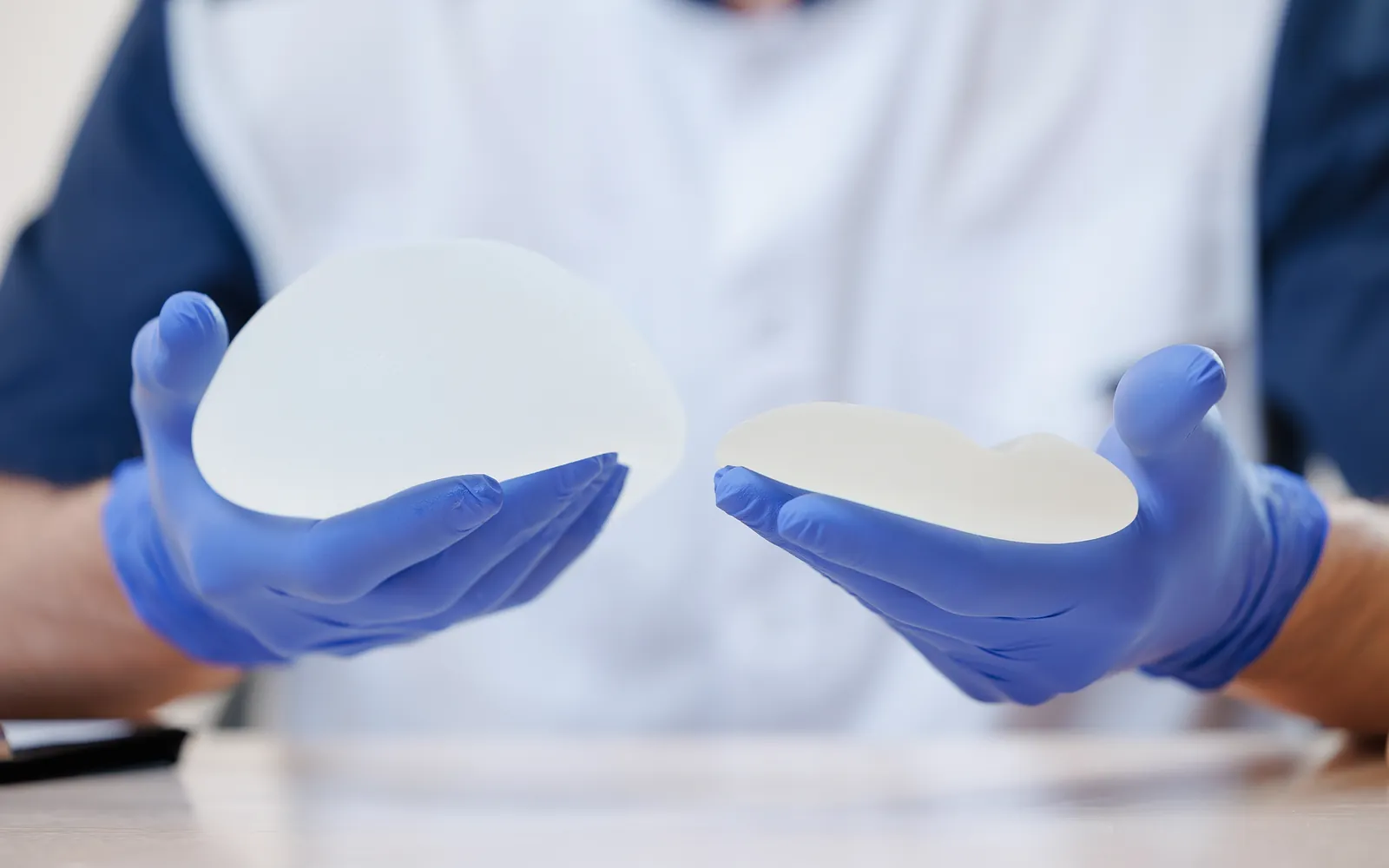
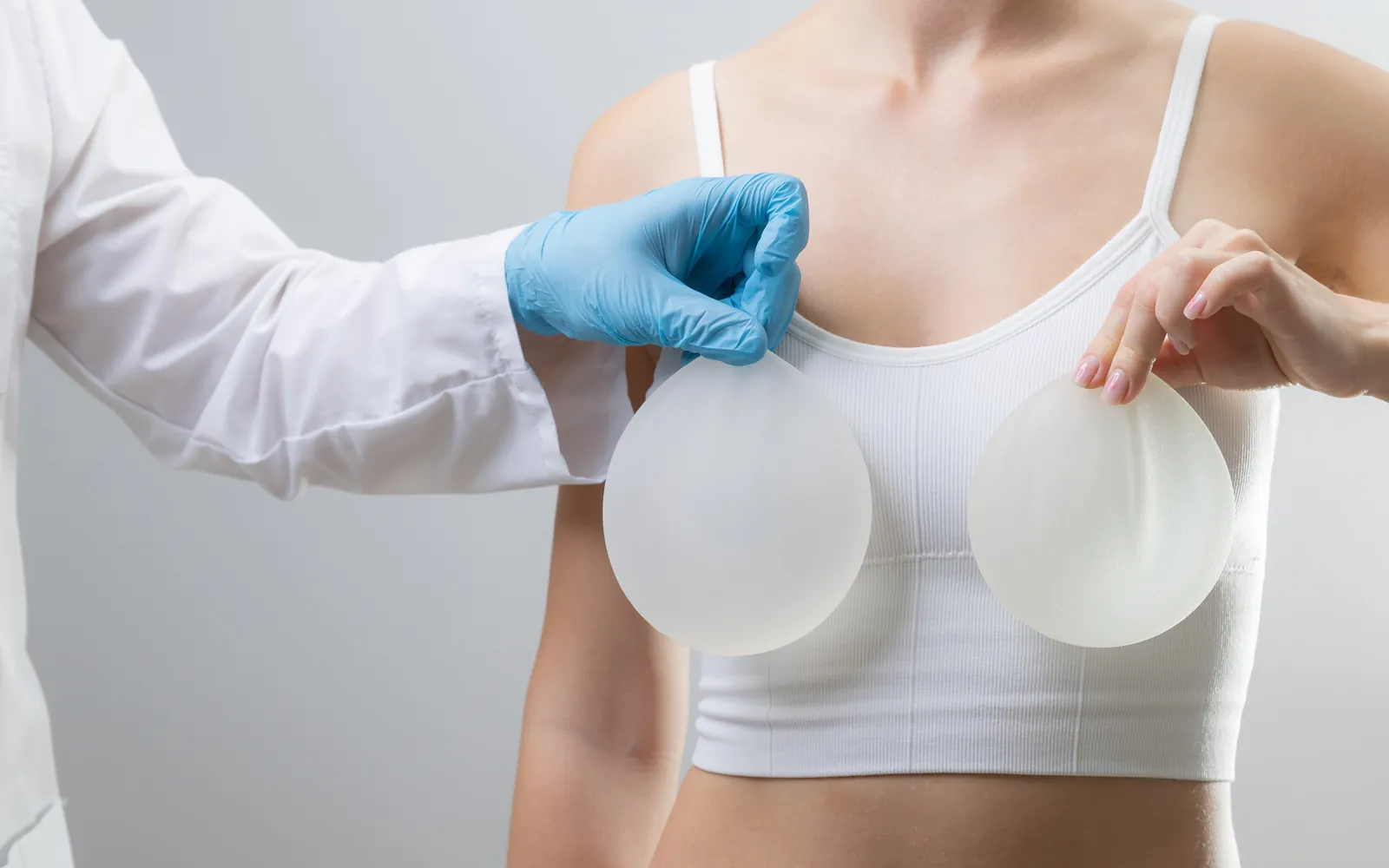
- Implant exchange: a new implant is usually placed, sometimes in a different pocket, for example moving from above to partly under the muscle.
- Removal without replacement: an option for women who no longer want implants, sometimes combined with a breast lift.
Squeezing the breast forcefully to break the capsule (closed capsulotomy) is no longer recommended, because it can rupture the implant and cause bleeding. Recovery after revision surgery is usually similar to recovery after the first augmentation.
Before revision surgery, your surgeon may arrange an ultrasound or MRI scan to check the implant and the capsule. Bring your implant card or the details of your implants, as they help plan the operation.
When to contact your surgeon
Contact your surgeon if a breast becomes firmer, changes shape or starts to hurt. See a doctor promptly for any sudden swelling of one breast, especially if it appears a year or more after surgery: a fluid collection at that stage needs to be checked, as it can rarely be a sign of a lymphoma linked mainly to textured implants (BIA-ALCL). Seek urgent care for fever with a red, hot, painful breast.
Our breast augmentation page explains implant placement, the safety standards we follow and the check-ups that are part of living with implants.
Frequently asked questions
A tightening of the natural capsule of scar tissue around a breast implant. It can make the breast firm, painful or misshapen.
Figures vary between studies. After a first cosmetic augmentation it affects a minority of women; the risk is higher after radiotherapy or revision surgery. Your surgeon can explain the figures for your situation.
A firm capsule does not usually soften by itself. Mild grades often stay stable and need only check-ups; more advanced grades are treated with surgery.
Yes, it can recur. Removing the capsule, using a new implant and sometimes changing the pocket lowers the risk.
The evidence is mixed, and recommendations differ between surgeons and implant types. Follow your own surgeon’s advice.